
Baby Shark Universe (BSU) Airdrop Details: How It Worked on Binance Alpha
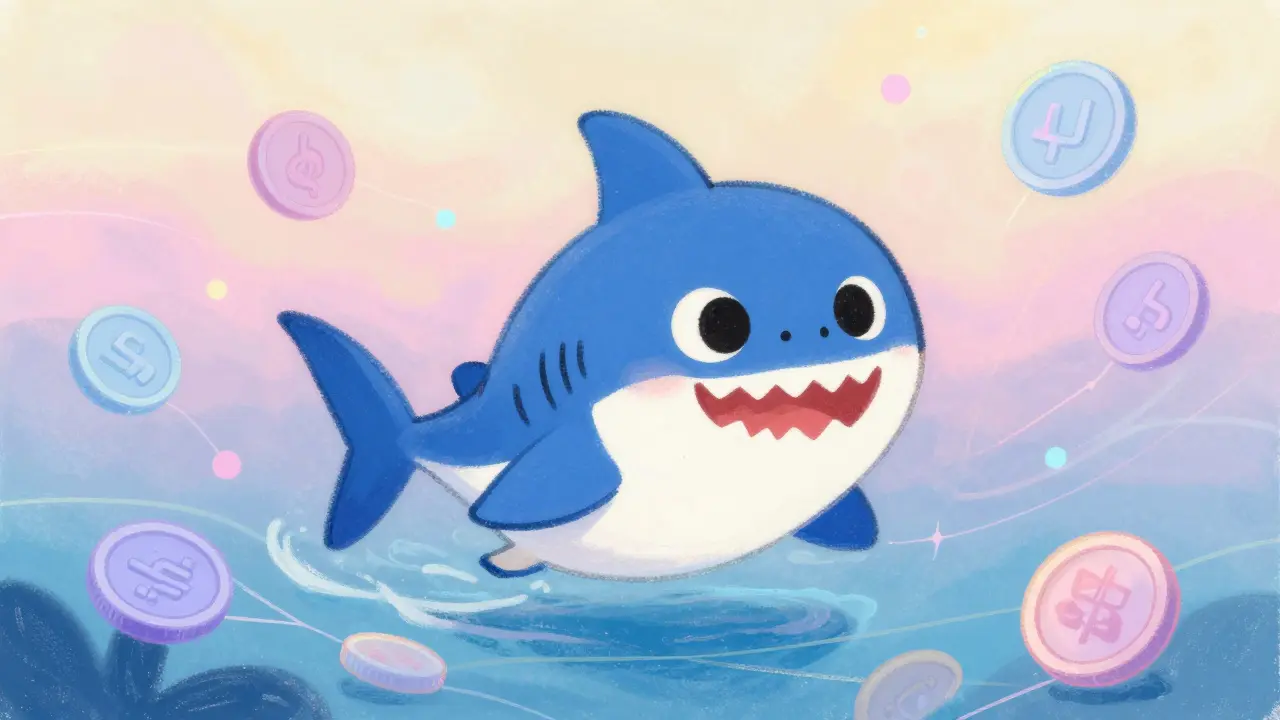
Remember that catchy tune you couldn't get out of your head years ago? The one about sharks? Well, it’s back, but this time it’s not just a nursery rhyme-it’s a cryptocurrency. The Baby Shark Universe (BSU) token took the crypto world by surprise in August 2025, launching exclusively on Binance Alpha. If you missed the initial buzz or are trying to understand what happened with this cultural phenomenon turned digital asset, you’re in the right place. This wasn’t your typical tech-heavy blockchain launch; it was a test case for how entertainment and nostalgia can drive engagement in the crypto space.
The BSU airdrop isn’t an open-ended giveaway you can still claim today. It was a specific, time-bound event tied to Binance’s loyalty system. Understanding the mechanics of that drop helps clarify why some users walked away with free tokens while others got nothing. More importantly, it highlights a shifting trend in 2026 where exchanges like Binance are using culturally relevant assets to keep retail investors engaged, moving beyond complex DeFi protocols toward familiar, brand-driven experiences.
What Is the Baby Shark Universe (BSU) Token?
To understand the airdrop, we first need to define the asset itself. Baby Shark Universe (BSU) is a culturally-inspired cryptocurrency token launched on Binance Alpha on August 9, 2025. Also known as BSU Token, it leverages the global recognition of the "Baby Shark" children's song to attract mainstream audiences. Unlike most cryptocurrencies that boast about their underlying consensus mechanisms or smart contract capabilities, BSU positioned itself as an entertainment-driven digital asset. Its primary value proposition was familiarity. By tapping into a piece of pop culture that billions of people know, the project aimed to lower the barrier to entry for casual users who might otherwise find crypto intimidating.
The token emerged from Binance’s broader strategy to diversify its portfolio. Instead of listing only utility tokens or governance coins, Binance Alpha-a specialized platform within the exchange for new listings-tested the waters with high-potential, culturally resonant assets. The goal was simple: drive user engagement through recognizable intellectual property. For many retail investors, seeing a token named after a viral song felt less like investing in volatile code and more like participating in a meme economy, similar to earlier trends with Dogecoin or Shiba Inu, but with a stronger brand identity.
Airdrop Mechanics: Who Got Free Tokens?
The core of the BSU launch was its airdrop campaign. This wasn’t a random distribution to anyone with a wallet address. It was an exclusive reward for active users of the Binance ecosystem. Here is exactly how the eligibility and claiming process worked:
- Total Allocation: Eligible participants received precisely 510 BSU tokens.
- Estimated Value: At the time of the claim, market estimates valued each complete airdrop at approximately $32.60 USD.
- Eligibility Threshold: Users needed a minimum of 200 Binance Alpha Points to qualify initially.
- Dynamic Adjustment: To expand access, the minimum Alpha Points requirement dropped by 15 points every hour after the launch started.
- Claiming Cost: Claiming the airdrop consumed 15 Alpha Points from the user’s balance.
- Time Limit: Participants had a strict 24-hour window to confirm and claim their allocation via the Alpha Events page. Unclaimed tokens were forfeited.
This structure created a sense of urgency. The first-come, first-served basis meant that early birds with higher point balances secured their tokens quickly. As hours passed, the threshold lowered, allowing more users to participate, but the pool of available tokens remained fixed. This dynamic adjustment system is a clever retention tool. It rewards loyal users (those with high Alpha Points) while giving newer or less active users a chance to catch up if they act fast.
The Role of Binance Alpha Points
You cannot talk about the BSU airdrop without explaining Binance Alpha Points. These points are the currency of loyalty within Binance’s new listing platform. They are earned through various activities on the exchange, such as trading volume, holding BNB, or participating in previous promotions. For the BSU drop, these points acted as both a gatekeeper and a cost.
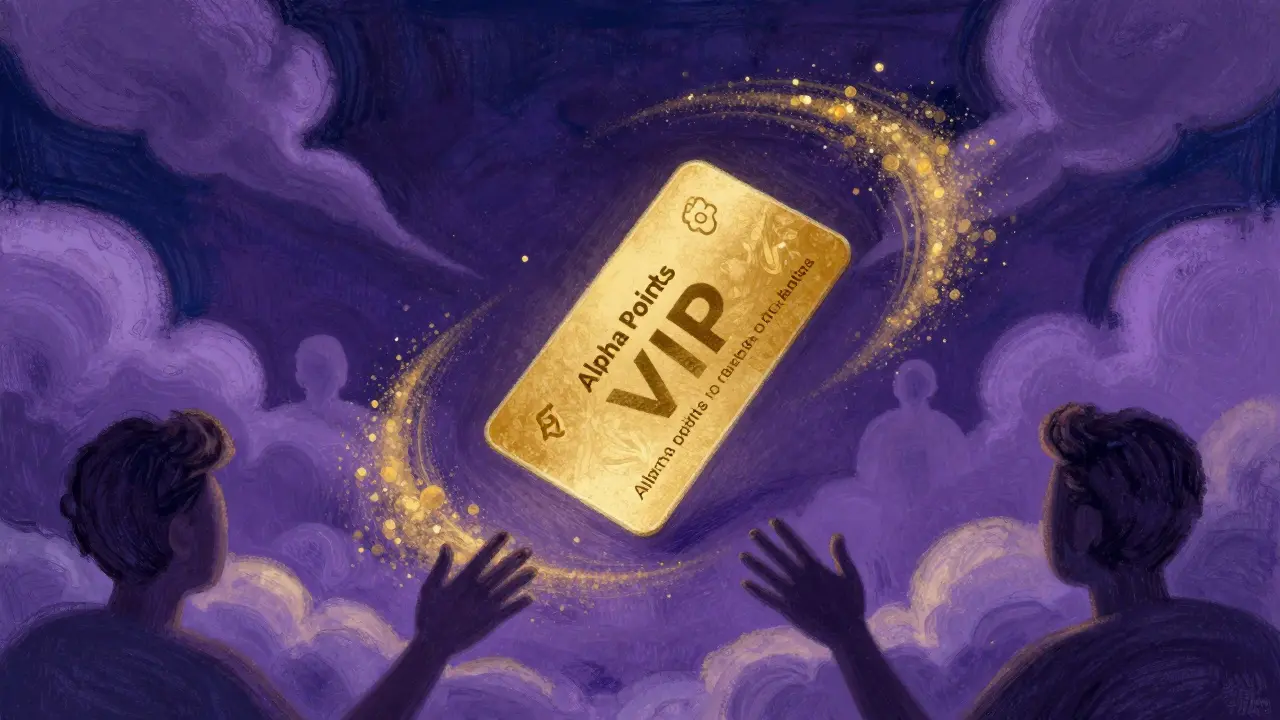
Think of Alpha Points as a VIP pass. Having 200 points meant you were invited to the party. But simply showing up wasn’t enough; you had to pay an entry fee of 15 points to take the gift (the 510 BSU tokens). This mechanism ensures that Binance doesn’t give away free assets to inactive accounts or bots. It filters for genuine users who have already demonstrated commitment to the platform. For many users, spending 15 points to gain $32 worth of tokens was a no-brainer, especially since those points might have otherwise gone unused or expired.
| Metric | Detail |
|---|---|
| Initial Requirement | 200 Alpha Points |
| Hourly Reduction | -15 Points per hour |
| Claiming Cost | 15 Alpha Points |
| Tokens Received | 510 BSU |
| Claim Window | 24 Hours |
Why Entertainment Tokens Matter in 2026
The launch of Baby Shark Universe wasn’t an isolated incident. It reflects a broader shift in the cryptocurrency landscape. By mid-2026, the market has seen a saturation of technical projects that often fail to capture the imagination of non-experts. Exchanges are realizing that to grow further, they need to onboard mainstream consumers, not just degens and developers.
Entertainment-branded tokens like BSU serve as a bridge. They offer low-friction entry points. You don’t need to read a 50-page whitepaper to understand why you want a token named after a shark song. The cultural relevance drives curiosity, and curiosity drives trading volume. Industry analysts noted that while BSU didn’t move major benchmarks like Bitcoin or Ethereum, it significantly boosted engagement metrics on Binance Alpha. It proved that nostalgia and pop culture can be viable strategies for token launches.
However, this approach also carries risks. Critics argue that these tokens lack long-term utility. Without a clear use case beyond speculation and community fun, their value is entirely dependent on hype. Once the novelty wears off, what keeps holders interested? This is the central challenge for projects like BSU. They must evolve from a marketing stunt into a sustainable community or develop actual utility to survive the inevitable post-launch volatility.
User Experience and Community Reaction
For those who participated, the experience was largely seamless. Because the entire process happened within the Binance interface, there were no external wallets to connect, no gas fees to worry about, and no complex smart contract interactions. This simplicity was a key factor in its success. Casual users could claim their tokens in minutes, which contrasts sharply with decentralized airdrops that often require bridging assets across multiple chains.
Community feedback was mixed but generally positive regarding the ease of use. On social media platforms and crypto forums, discussions centered on the absurdity and charm of the concept. Many users expressed enthusiasm for the familiar theme, joking about finally having a reason to invest in "Baby Shark." However, skepticism remained about the token’s future. Some users criticized the 15-point claiming cost as a hidden barrier, arguing that true airdrops should be completely free. Others appreciated the exclusivity, viewing the point deduction as a fair trade for the immediate liquidity provided by the Binance listing.
Risks and Considerations for Future Drops
If you are looking forward to similar opportunities, it is crucial to understand the risks involved with entertainment tokens. First, volatility is extreme. Tokens like BSU can spike immediately after launch due to hype and then correct sharply once early sellers cash out. Second, intellectual property issues loom large. While Binance likely has licensing agreements, the broader legal landscape around using copyrighted characters in crypto is still evolving. Any legal dispute could freeze assets or halt development.
Furthermore, reliance on a single exchange like Binance creates centralization risk. If Binance decides to delist BSU or reduce support, the token’s liquidity could dry up instantly. Unlike decentralized tokens that live on public blockchains independent of any company, exchange-listed tokens are subject to the platform’s rules and policies. Always do your own research (DYOR) before engaging with any new token, regardless of how cute the branding may be.
Conclusion: What’s Next for BSU?
The Baby Shark Universe token airdrop served its purpose: it engaged users, tested Binance Alpha’s mechanics, and highlighted the power of cultural branding in crypto. While the initial distribution phase is over, the token continues to trade on Binance Alpha. Its long-term viability will depend on whether the community can sustain interest beyond the initial novelty. For now, it stands as a case study in how entertainment and finance are increasingly intersecting in the digital age.
Can I still claim the Baby Shark Universe (BSU) airdrop?
No, the BSU airdrop was a limited-time event that concluded shortly after its launch on August 9, 2025. The 24-hour claiming window has long passed, and unclaimed tokens were forfeited. You can now only buy or sell BSU tokens on Binance Alpha if you wish to participate in the market.
How much was the BSU airdrop worth?
At the time of the airdrop, each eligible participant received 510 BSU tokens. Market estimates valued this allocation at approximately $32.60 USD. However, the current value fluctuates based on market demand and trading activity on Binance Alpha.
What are Binance Alpha Points?
Binance Alpha Points are a loyalty metric used by Binance to reward active users on its new listing platform. Points are earned through trading volume, holding certain assets, or participating in promotions. They are required to qualify for exclusive events like airdrops and can be spent to claim rewards.
Is Baby Shark Universe (BSU) a safe investment?
Like all cryptocurrency investments, BSU carries significant risk. As an entertainment-themed token, its value is driven largely by hype and community sentiment rather than fundamental utility. Prices can be highly volatile, and there is always the possibility of loss. It is essential to conduct your own research and never invest more than you can afford to lose.
Why did Binance choose a children's song for a crypto token?
Binance selected Baby Shark Universe to test the appeal of culturally resonant, entertainment-driven assets. The goal was to attract mainstream retail investors who might be intimidated by traditional crypto jargon. Familiar branding lowers the barrier to entry and drives user engagement through nostalgia and recognition.