FCoin Crypto Exchange Review: Fees, Safety, and Better Alternatives
Jonathan Jennings
Decentralization in Crypto: Why It Matters and What It Really Means
When people talk about decentralization, the shift of control from single authorities to distributed networks. Also known as distributed governance, it's the core idea that makes crypto different from banks and traditional finance. It’s not just a buzzword—it’s what lets you send money without a bank, trade without a middleman, and own your data without asking permission.
True decentralization means no single company, government, or person can shut down a network, freeze your wallet, or change the rules overnight. That’s why platforms like decentralized exchange, a crypto trading platform that runs on blockchain without a central operator. Also known as DEX, it lets users trade directly from their wallets. matter. Look at SundaeSwap or Cube Exchange—they don’t hold your keys, they don’t control your funds, and they can’t be forced to ban users. But here’s the catch: many platforms call themselves decentralized while still needing KYC, having a CEO, or locking tokens behind a login. That’s not decentralization. That’s branding.
dApps, applications that run on blockchain networks instead of corporate servers. Also known as decentralized applications, they’re the real test of decentralization. Think of them like apps that can’t be taken down by Apple or Google. If a dApp goes offline, it’s because the code broke—not because someone pulled the plug. That’s why Web3.World, despite its name, isn’t a real dApp—it has two trading pairs, no mobile app, and zero users. Real dApps have communities, active code updates, and open-source transparency.
Decentralization isn’t about speed or low fees—it’s about trust. You don’t need to trust a company. You trust the code, the network, and the math. But that also means no customer support when things go wrong. No refund if you send crypto to the wrong address. No help if a DEX gets hacked. That’s the trade-off.
And then there’s regulation. Governments don’t like decentralization because it’s hard to control. That’s why KYC is everywhere—even on platforms that claim to be decentralized. OFAC sanctions target wallets, not companies. Crypto businesses now have to build compliance into their code because there’s no central point to shut down. Decentralization doesn’t mean lawless. It means the rules are baked in, not handed down.
What you’ll find below isn’t a list of idealized crypto utopias. It’s a real-world look at what decentralization actually looks like today—on exchanges that pretend to be free, apps that don’t work, and tokens that promise control but deliver nothing. Some projects are close. Most aren’t. You’ll see which ones deliver on the promise—and which ones just use the word to sell you something.
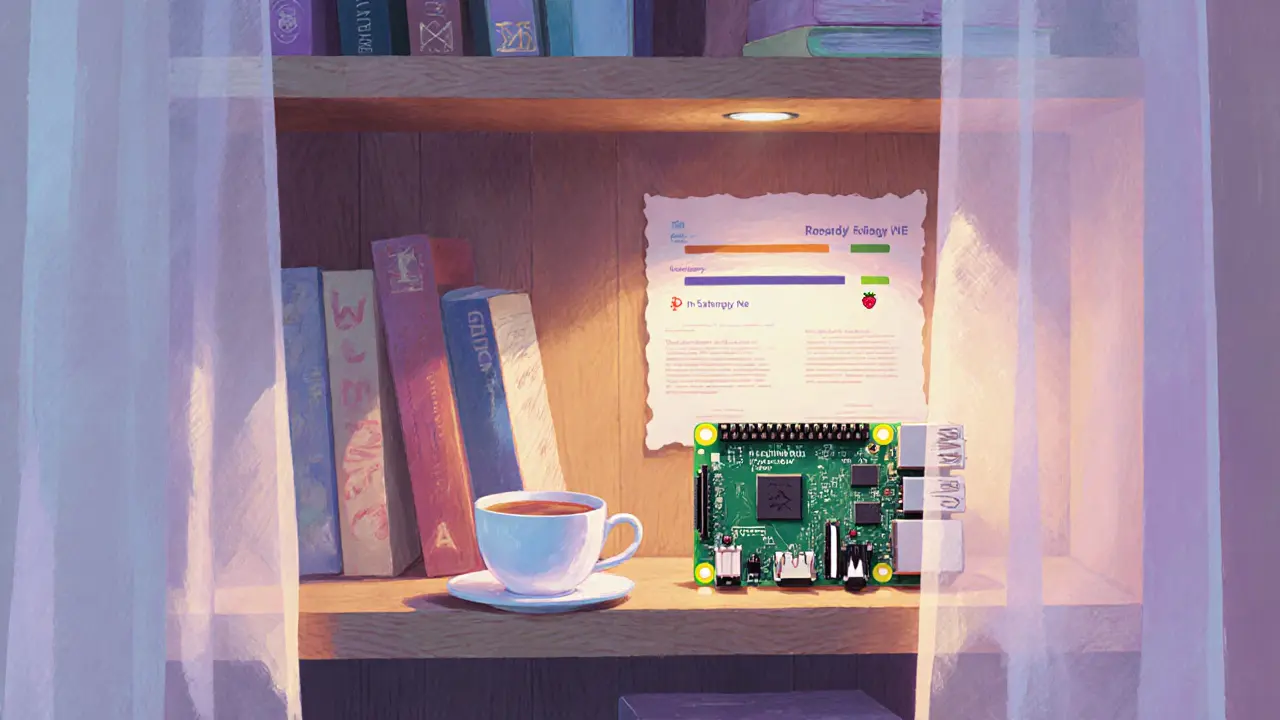
Running a blockchain node keeps the network secure, censorship-resistant, and truly decentralized. It's not just for tech experts-anyone can help maintain the system by running a node and verifying transactions independently.
Jonathan Jennings Nov 14, 2025