
Benefits of Using dApps: Why Decentralized Apps Are Changing the Digital Game
Jonathan Jennings
Lend Bitcoin: How to Earn Interest on Your BTC and What You Need to Know
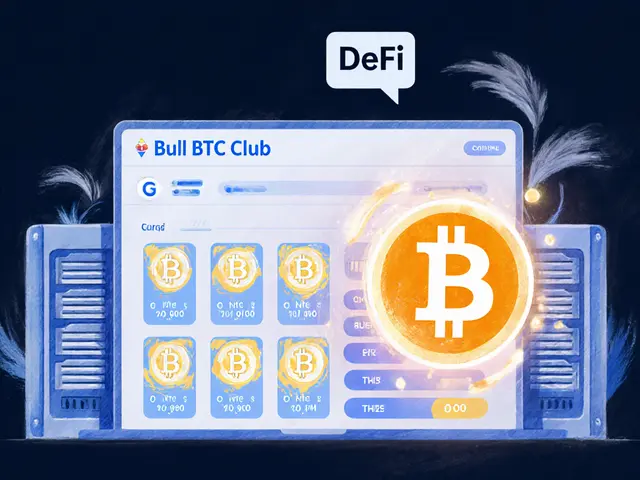
When you lend Bitcoin, you give your BTC to a platform or protocol in exchange for regular interest payments, without giving up ownership. Also known as crypto lending, it’s one of the simplest ways to make your Bitcoin work for you—like a savings account, but for crypto. Unlike mining or staking, you don’t need special hardware or technical skills. You just hold your Bitcoin, pick a trusted place to lend it, and start earning—usually between 3% and 10% annually, depending on market conditions.
Most people lend Bitcoin through decentralized finance, a system of financial apps built on blockchains that let you lend, borrow, and trade without banks. Also known as DeFi, it’s where platforms like Aave or Compound operate, using smart contracts to match lenders with borrowers. But you can also lend through centralized exchanges like Celsius (before its collapse) or BlockFi, which act more like traditional lenders but pay higher rates. The trade-off? Centralized platforms are easier to use but come with more risk—you’re trusting a company with your coins. Decentralized platforms keep your funds in your wallet longer, but if the code has a flaw, you could lose everything. That’s why checking for audits, insurance, and user history matters more than the interest rate. A 12% APY sounds great, but if the platform gets hacked or shuts down, you lose your principal. Real returns come from safety first.
Some users lend Bitcoin to fund crypto loans—like someone borrowing BTC to buy a house or trade altcoins. Others use it to earn yield while holding long-term. Either way, you’re not speculating—you’re renting out your asset. This is especially useful if you believe Bitcoin will go up over time but still want to generate income while you wait. You can even use the interest earned to buy more Bitcoin, compounding your position without touching your original stash.
There’s no magic trick to lending Bitcoin. It’s not a get-rich-quick scheme. It’s a steady, low-effort way to turn idle crypto into passive income. But it’s not risk-free. Governments are watching. Regulators are cracking down. And platforms that promise unrealistic returns are often scams. The key is to start small, stick to well-known platforms, and never lend more than you can afford to lose.
Below, you’ll find real reviews, case studies, and warnings about platforms where people actually lend Bitcoin—some successful, some disastrous. You’ll see what happened when users lent on under-audited DeFi protocols, how KYC rules changed lending options in Turkey and South Korea, and why some airdrops tied to lending platforms turned out to be empty promises. This isn’t theory. It’s what real people experienced.

Learn how to lend cryptocurrency and earn interest in 2025. Compare CeFi vs DeFi platforms, understand risks like platform failure and rate cuts, and discover the safest assets to lend for passive income.
Jonathan Jennings Dec 8, 2025