
Angola Crypto Mining Ban Explained: Law, Penalties, and Aftermath
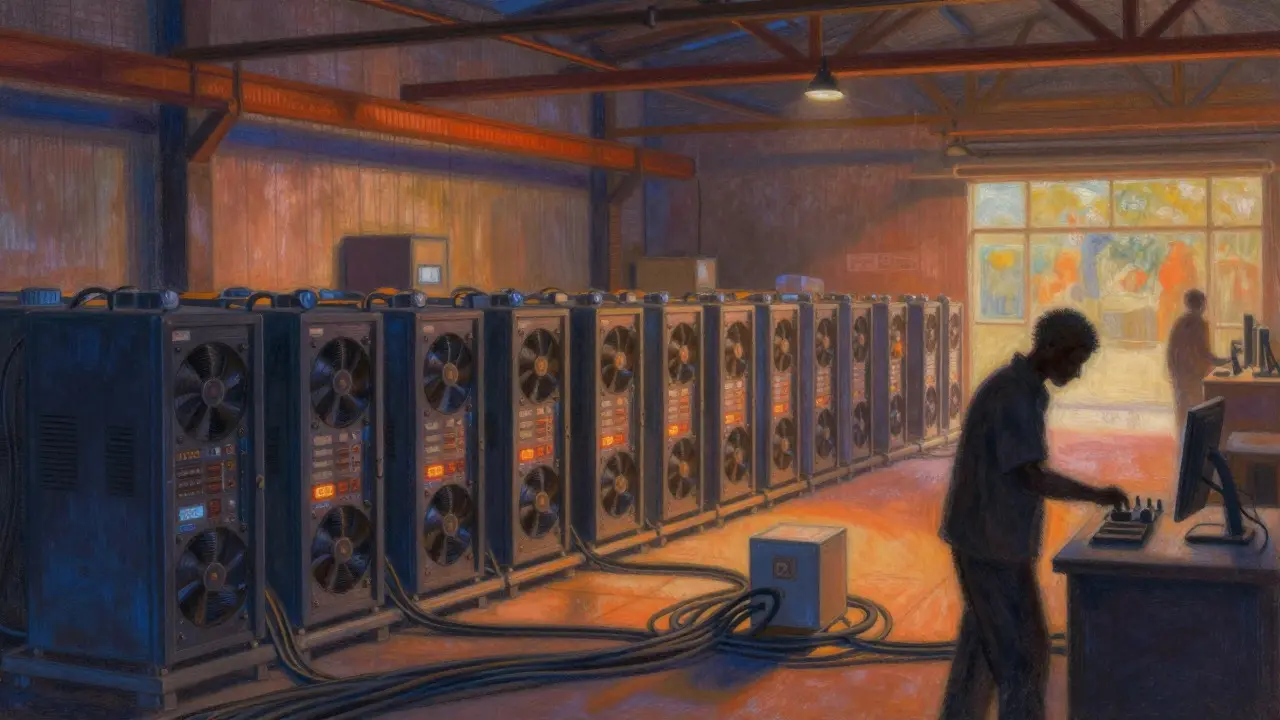
Imagine a country that briefly became the eighth-largest hub for Bitcoin mining globally, only to slam the door shut on it within months. That is exactly what happened in Angola. If you are tracking global crypto trends or just curious about why governments crack down on digital assets, this story is critical. As of April 10, 2024, cryptocurrency mining is not just discouraged in Angola-it is a criminal offense carrying prison time.
This wasn't a sudden whim. It was a calculated move by the Angolan government to protect its energy grid from being drained by foreign mining operations. The fallout has been severe, involving international police raids, confiscated equipment worth millions, and a stark warning to anyone thinking of setting up ASICs in Southern Africa. Here is everything you need to know about the ban, the law behind it, and what it means for the future of crypto in the region.
The Legal Hammer: Law No. 3/24
The cornerstone of this crackdown is Law No. 3/24, officially titled the "Legal Framework for the Prohibition of Cryptocurrency Mining and Other Virtual Assets." This legislation took effect on April 10, 2024. Before this date, Angola had quietly emerged as a hotspot for miners fleeing stricter regulations elsewhere. By the fourth quarter of 2023, the country had surpassed all other African nations in mining activity.
The law is blunt in its definitions. It defines cryptocurrency mining as the process of generating, validating, and including new transactions in the blockchain by deciphering cryptographic puzzles. Under Law No. 3/24, three specific activities are explicitly banned across the entire national territory:
- Mining cryptocurrencies and other virtual assets.
- Using any licenses for electrical installations specifically for mining purposes.
- Connecting systems and equipment to the National Electrical System for mining.
Crucially, the law targets both natural persons (individuals) and legal persons (companies). This means you cannot hide behind a corporate veil if you are running mining rigs in Luanda or anywhere else in the country.
Stiff Penalties: Prison Time and Confiscation
If you thought the consequences would be a simple fine, think again. The Angolan government decided to make an example of violators. The penalties outlined in Law No. 3/24 are among the harshest in the world for this specific crime.
| Violation Type | Primary Penalty | Additional Sanctions |
|---|---|---|
| Active Mining Operations | 1 to 12 years imprisonment | Prohibition from exercising office, suspension from office, expulsion for foreigners |
| Possession of Mining Equipment | 1 to 5 years imprisonment | Confiscation of all related assets and infrastructure |
| Illegal Grid Connection | Included in active mining charges | Asset seizure, potential deportation for non-citizens |
Note that simply possessing the hardware-such as ASIC miners or high-power servers intended for mining-can land you in jail for up to five years. The government also reserves the right to confiscate all assets used in the crime. For foreign citizens, the threat of expulsion from the national territory adds another layer of risk.
Why the Ban? Energy Security Over Crypto Gains
You might wonder why a country would give up the tax revenue and economic activity associated with hosting major mining farms. The answer lies in basic infrastructure stress. Angola faces significant challenges with power distribution and supply. Many regions experience unstable electricity, affecting daily life and production activities for its 39 million residents.
Bitcoin mining is incredibly energy-intensive. In late 2023 and early 2024, the surge in mining operations created a massive strain on national energy consumption rates. Electric utility providers found themselves unable to ensure continuous electricity delivery to residential areas because mining firms were consuming such a disproportionate share of the grid's capacity.
The government prioritized energy security for essential services and households over the speculative profits of crypto mining. It was a choice between keeping the lights on for families and allowing data centers to run hot. They chose the former.
The Chinese Connection and the Exodus
To understand the scale of the problem, you have to look at where these miners came from. A significant portion of the mining infrastructure in Angola arrived after China imposed a nationwide ban on cryptocurrencies in 2021. Chinese mining enterprises relocated their operations to Angola, drawn by relatively cheap energy and lax initial regulation.
Angola is Africa’s third-biggest oil producer and a historical major supplier of crude oil to China, which facilitated strong diplomatic and economic ties. However, when the dust settled and the grid started buckling, the relationship shifted. The Chinese Embassy in Angola issued explicit warnings to its citizens. A translated notice from April 2024 advised residents to cease mining operations immediately, citing the new criminal penalties.
This migration pattern highlights a broader trend: when one jurisdiction cracks down, capital and infrastructure often flee to the path of least resistance. Angola was that path until it closed its own doors.
Interpol Raid: The August 2024 Crackdown
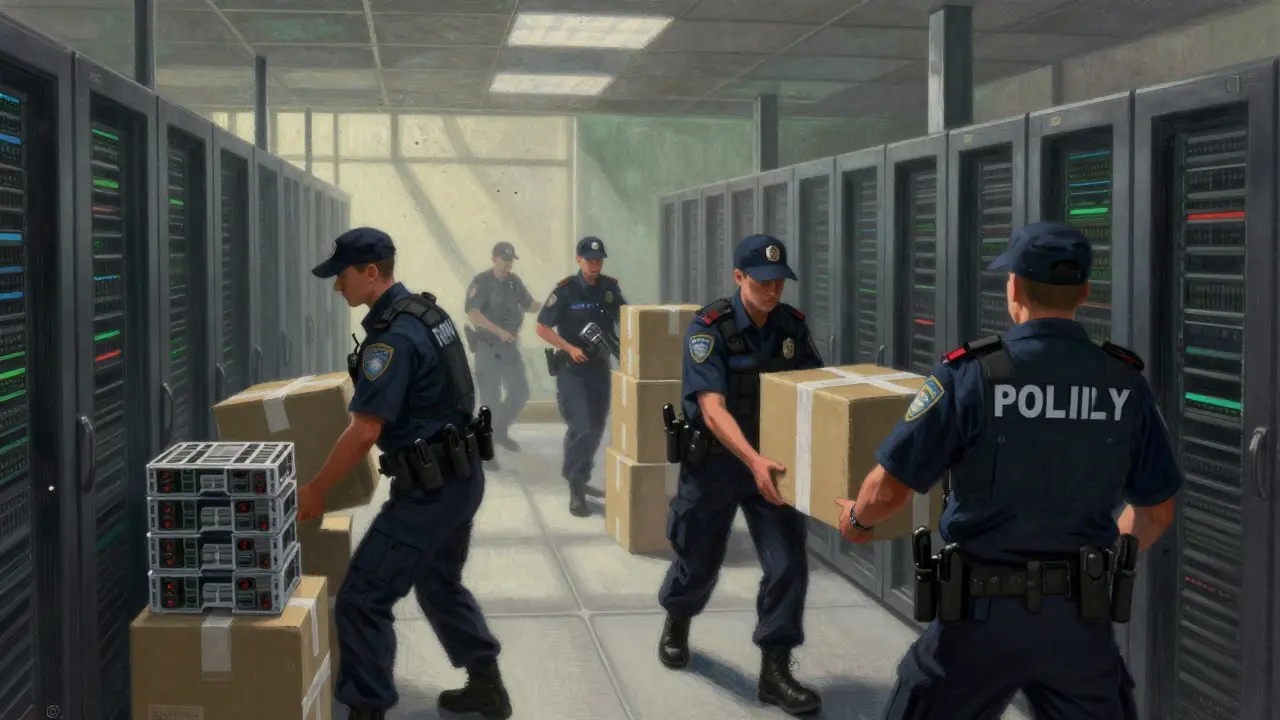
Laws on paper mean little without enforcement. In August 2024, the world watched as Interpol coordinated a major operation with Angolan authorities. The result was the dismantlement of 25 illegal cryptocurrency mining facilities.
These facilities were largely operated by 60 Chinese nationals who had either ignored the warnings or hoped to operate under the radar. The raid led to the seizure of equipment valued at more than $37 million. This wasn't just a local police matter; it was part of a broader cybercrime operation across African countries that resulted in the arrest of 1,209 people and the recovery of over $97 million in total assets.
The Angolan government announced plans to distribute the seized equipment to vulnerable areas as part of social support initiatives. While repurposing mining hardware for general computing or education is complex, the symbolic message was clear: the state reclaims what the private sector stole from the public grid.

Legal Loopholes and Expert Analysis
Despite the severity of the ban, legal experts point out some technical issues. CMS Law Firm noted an apparent error in the numbering of articles relating to penalties applicable to legal persons. This hasn't been rectified yet and could lead to uncertainty during enforcement proceedings. However, this doesn't negate the ban itself; it just complicates the prosecution of corporate entities versus individuals.
It is also important to distinguish between mining and holding. Digital assets themselves are not entirely prohibited in Angola. You can still own Bitcoin or Ethereum. What is banned is the act of creating them through proof-of-work mining using the national grid. This distinction matters for investors who may still want exposure to crypto without the infrastructure headache.
Impact on Global Mining Distribution
Angola’s exit from the mining scene has ripple effects. When a country that ranks in the top eight globally for hash rate contribution shuts down, the network’s geographic distribution shifts. Miners must relocate to find cheaper energy and stable grids. This often leads to increased competition in neighboring countries or other emerging markets like Kazakhstan, Paraguay, or parts of North America.
For Bitcoin enthusiasts, this centralization risk is a concern. When large hubs disappear overnight, the remaining nodes become more valuable, but also more targeted. The ban demonstrates how fragile the physical layer of decentralized networks can be when dependent on centralized national infrastructures.
What This Means for Future Investors
If you are considering investing in mining operations in Africa, due diligence is no longer optional-it is survival. Angola serves as a cautionary tale. Governments will prioritize domestic stability over foreign crypto interests. Always check the latest regulatory landscape before plugging in your rigs.
The ban also highlights the importance of renewable energy integration. Mining operations that rely on stranded or excess renewable energy are less likely to face political backlash than those draining the main grid during peak hours. As we move further into 2026, expect more countries to adopt similar measures if they perceive crypto mining as a threat to their energy security.
Is owning cryptocurrency illegal in Angola?
No, owning cryptocurrency is not illegal. Law No. 3/24 specifically bans the mining of cryptocurrencies and the use of the national electrical grid for this purpose. Individuals can still hold, trade, or transfer digital assets, provided they do not engage in the prohibited mining activities.
When did the Angola crypto mining ban take effect?
The ban took effect on April 10, 2024, following the publication of Law No. 3/24. Any mining activity conducted after this date is subject to criminal penalties.
What happens if you are caught mining in Angola?
Penalties are severe. Active mining can result in 1 to 12 years in prison. Simply possessing mining equipment can lead to 1 to 5 years in prison plus confiscation of assets. Foreign nationals also face the risk of expulsion from the country.
Why did Angola ban crypto mining?
The primary reason was energy security. Mining operations consumed excessive amounts of electricity, straining the national grid and causing power shortages for residential areas and essential services. The government prioritized domestic energy needs over crypto mining profits.
Did Interpol play a role in enforcing the ban?
Yes. In August 2024, Interpol coordinated a major raid with Angolan authorities, leading to the shutdown of 25 illegal mining facilities and the arrest of 60 Chinese nationals. The operation seized equipment worth over $37 million.
Are there any loopholes in Law No. 3/24?
Legal experts have noted errors in the article numbering regarding penalties for legal persons (companies), which may cause procedural delays. However, the ban itself remains strict and enforceable against both individuals and corporations.
Where did most of the miners in Angola come from?
Many miners relocated from China after Beijing banned cryptocurrency mining in 2021. They were attracted by Angola's available energy resources and initially loose regulatory environment.