
How Vietnamese Traders Access Crypto Exchanges in 2026: P2P, Banks & Local Licenses

Buying Bitcoin or Ethereum in Vietnam used to feel like a game of cat and mouse. You’d transfer Dong to a bank account, pray it didn’t get frozen, and hope the exchange hadn’t blocked your IP address. But as we move through 2026, the landscape has shifted dramatically. The days of total ambiguity are over, replaced by a strict, structured pilot program that is reshaping how millions of Vietnamese citizens interact with digital assets.
If you are trying to trade crypto in Vietnam today, you aren't just looking for an app; you are navigating a specific regulatory framework established by Resolution 05/2025, which launched a five-year pilot program for cryptocurrency trading platforms under government oversight. This guide breaks down exactly how traders access these markets now, from using global giants like Binance to preparing for the new local licensed exchanges.
The New Regulatory Reality: Resolution 05/2025
To understand how to access exchanges, you first need to understand the rules of the road. In January 2025, the Vietnamese government passed Resolution 05/2025. This wasn't a ban; it was a controlled opening. The government decided to allow crypto trading but only through a highly selective process. They limited the market to just five licenses for domestic platforms during this initial five-year period.
Why does this matter to you? Because it means the barrier to entry for local competitors is incredibly high. The Ministry of Finance requires any applicant for these licenses to have VND 10 trillion (about US$380 million) in charter capital. Furthermore, 65% of that capital must come from institutional investors who have been profitable for at least two years. This effectively shuts out small startups and leaves the field open for major financial institutions.
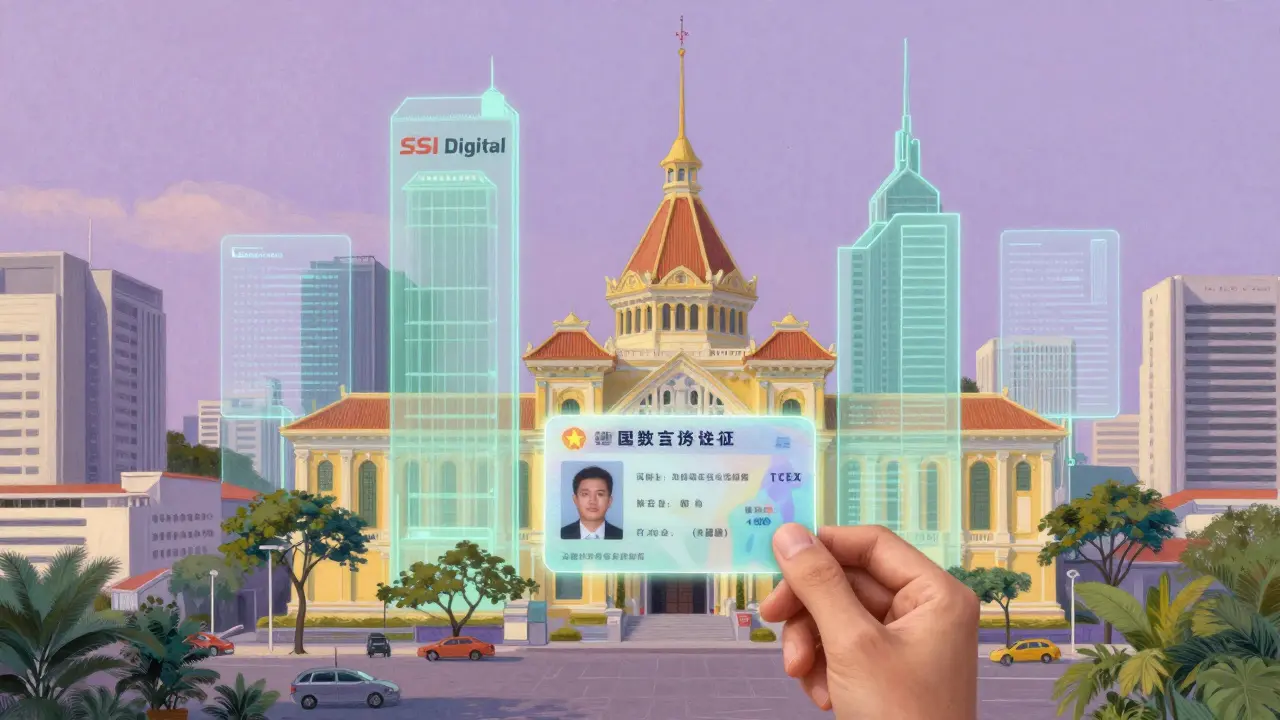
As of late 2025, several big names submitted applications, including SSI Digital Corporation, Techcom Securities’ TCEX, VIXEX, VPBank’s VPCrypto, and MBBank’s MB Crypto. While these platforms are launching, they currently represent less than 5% of total market activity. For most traders, the primary method of access remains global centralized exchanges (CEXs) that have adapted to these new local requirements.
Top Platforms for Vietnamese Traders
Since native Vietnamese exchanges are still in their infancy, the vast majority of the country's 21 million crypto users rely on international platforms. These platforms have invested heavily in localization to comply with Vietnamese laws while serving user demand. Here is how the top contenders stack up in 2026:
| Exchange | Market Share / Volume | VND Integration | Key Feature | Best For |
|---|---|---|---|---|
| Binance | ~45% Market Share | Direct Bank Transfer & P2P | Highest Liquidity | Active Traders |
| Bybit | $1.7B Daily Futures Vol | P2P & E-Wallets | Derivatives Focus | Futures Traders |
| OKX | Growing User Base | P2P Network | Proof-of-Reserves | Security-Conscious |
| MEXC | Niche Segment | Limited Direct VND | Low Fees (0.02%) | New Token Hunters |
Binance remains the dominant player, handling billions in volume. Its strength lies in its deep liquidity for VND pairs, meaning you can buy large amounts without slippage. Bybit has carved out a strong niche among derivatives traders, with perpetual futures making up nearly 70% of its volume from Vietnamese users. If you are into leveraged trading, Bybit’s interface is often preferred for its stability during volatile market swings.
Methods to Deposit VND: On-Ramps Explained
The biggest hurdle for any trader is getting fiat currency onto the platform. In Vietnam, this process has become more streamlined but also more monitored. There are three primary ways to fund your account:
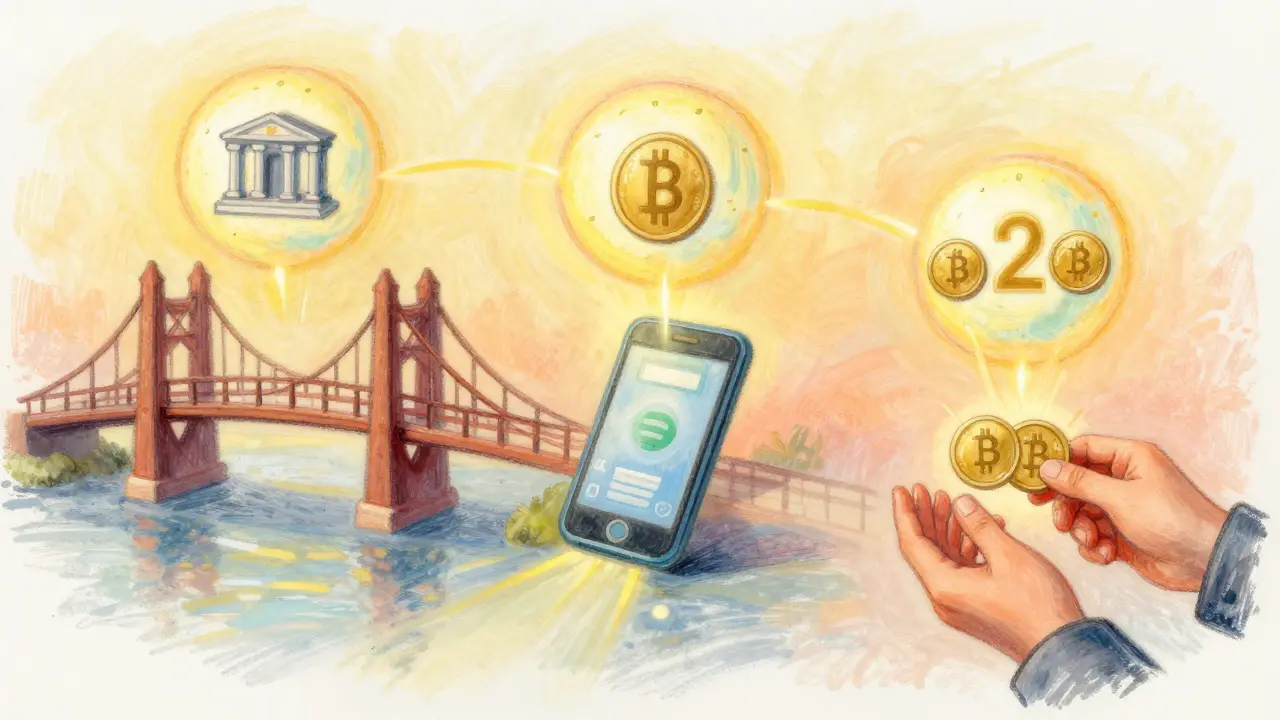
- Direct Bank Transfers: Many major exchanges now integrate directly with Vietnam’s National Payment Corporation (NAPAS). This allows you to link accounts from banks like Vietcombank, BIDV, or Techcombank. Deposits typically take 2-5 minutes. However, be aware that banks may flag transactions if they look suspicious or exceed certain thresholds.
- E-Wallets: Platforms like MoMo, ZaloPay, and VNPay are widely accepted. This is often the fastest method for smaller amounts. It’s convenient because you likely already use these apps for daily purchases. The integration is smooth, and verification is usually instant.
- P2P Trading: Peer-to-peer networks remain popular, especially for larger sums where direct bank links might be restricted. You match with a verified vendor who sends VND to your bank account, and the exchange holds the crypto in escrow until payment is confirmed. While effective, P2P carries higher risks of fraud or account freezing if the seller receives illicit funds.
A critical tip from experienced traders: avoid sending single large transfers over VND 100 million ($4,000). Financial advisors recommend splitting deposits into smaller chunks to reduce the likelihood of triggering anti-money laundering (AML) flags at your bank. A sudden large deposit labeled 'crypto' or sent to a known exchange merchant code can lead to temporary account freezes, which can take weeks to resolve.
KYC and Identity Verification in 2026
You cannot trade anonymously anymore. The regulatory push has made Know Your Customer (KYC) procedures stricter and more standardized. Most platforms now require full identity verification before allowing any withdrawals or significant deposits.
The standard requirement includes uploading your National ID card (CMND/CCCD) and completing a facial recognition scan. This data is cross-referenced with Vietnam’s citizen database to ensure authenticity. According to recent assessments, the average time to complete KYC on major platforms like Binance and Bybit is between 18 to 48 hours. During peak times, this can stretch longer.
Look out for upcoming changes in early 2026. The government is rolling out the National Digital Identity system, mandated by Circular 18/2025/TT-BTTTT. This will eventually replace manual document uploads with a seamless digital identity check. Keep an eye on exchange announcements regarding this integration, as it will simplify the onboarding process significantly.
Tax Obligations and Reporting
Accessing an exchange is only half the battle; you also need to manage the tax implications. Vietnam imposes a 22% capital gains tax on cryptocurrency profits. Unlike stocks, there is no automated reporting system between exchanges and the tax authority yet. This means the burden of tracking falls entirely on you.
You must manually record every transaction-buys, sells, swaps, and even airdrops. Using spreadsheet tools or specialized tax software is essential. Failure to report can lead to severe penalties. Additionally, draft regulations propose mandatory transaction reporting for amounts exceeding VND 200 million ($8,000). This means exchanges will soon be required to send your data directly to the National Financial Intelligence Unit (VNFIU). Stay organized now to avoid headaches later.
Common Pitfalls and How to Avoid Them
Even with clearer regulations, risks remain. Here are the most common issues Vietnamese traders face and how to mitigate them:
- Account Freezes: As mentioned, banks are sensitive to crypto-related flows. Use multiple bank accounts if possible, and always keep records of your trades to prove the source of funds if questioned.
- P2P Scams: Stick to vendors with high completion rates and long histories on the platform. Never release crypto until you see the money in your bank account, not just a screenshot of a transfer. Over 4,000 P2P fraud cases were reported in Q3 2025 alone.
- API Latency: Vietnamese internet infrastructure can cause higher latency when connecting to servers abroad. Users experience API response times about 38% higher than those in Singapore. If you are a high-frequency trader, consider using a local VPN or choosing exchanges with regional server nodes to minimize delays.
Future Outlook: What’s Next for Vietnam?
The next few years will define Vietnam’s place in the global crypto ecosystem. With the five-license pilot program running until 2029, expect to see local platforms like SSI Digital and TCEX gain traction. They offer the advantage of being fully compliant with local banking rails, potentially reducing the friction of fiat on-ramps.
However, global exchanges will likely retain dominance due to their superior liquidity and feature sets. The key trend to watch is the integration of the National Digital Identity system. Once implemented, it could make KYC instantaneous and secure, lowering the barrier for new users. For now, the strategy remains clear: use reputable global exchanges, adhere strictly to KYC rules, manage your taxes diligently, and stay informed about regulatory updates.
Is crypto trading legal in Vietnam in 2026?
Yes, but under strict regulation. Resolution 05/2025 legalized crypto trading through a five-year pilot program. Trading is allowed on approved platforms, but cryptocurrencies are not considered legal tender. You must use Vietnamese Dong (VND) for all transactions on licensed platforms.
Which crypto exchange is best for Vietnamese users?
Binance is generally considered the best due to its high liquidity, Vietnamese language support, and robust VND on-ramps via bank transfers and P2P. Bybit is a strong alternative for traders focused on futures and derivatives. Both platforms offer localized customer support and comply with current KYC standards.
How do I deposit VND into a crypto exchange?
You can deposit VND via direct bank transfers integrated with NAPAS, e-wallets like MoMo and ZaloPay, or through P2P trading networks. Direct bank transfers are fastest for small amounts, while P2P is useful for larger sums, though it carries higher fraud risk. Always verify the recipient details carefully.
What is the capital gains tax rate for crypto in Vietnam?
The capital gains tax rate is 22%. This applies to profits made from selling or exchanging cryptocurrencies. Currently, taxpayers must self-report these gains. Future regulations may mandate automatic reporting by exchanges for transactions over VND 200 million.
Will local Vietnamese exchanges replace global ones?
Unlikely in the short term. The high capital requirement (VND 10 trillion) limits the number of local licenses to five. While platforms like SSI Digital and TCEX are launching, global exchanges like Binance and Bybit currently hold over 95% of the market share due to better liquidity and features.