

Leonicorn Swap (LEOS) Mega New Year Airdrop: How to Qualify

Quick Takeaways for LEOS Hunters
- The Goal: Earn LEOS tokens by interacting with the Leonicorn Swap ecosystem during the event window.
- Key Requirement: Usually involves providing liquidity or swapping tokens to prove you are a real user.
- The Risk: Never share your seed phrase; legitimate airdrops only require a public wallet address.
- The Reward: Early adopters typically get a larger slice of the token pool.
What exactly is Leonicorn Swap?
Before chasing the freebies, you have to understand the machine. Leonicorn Swap is a decentralized exchange (DEX) designed to let users trade tokens without a middleman. Unlike a centralized exchange where a company holds your funds, a DEX uses Automated Market Makers (AMM) to facilitate trades via liquidity pools. The LEOS token acts as the native utility asset for this ecosystem, used for governance and potentially earning a share of the trading fees.
In the world of Decentralized Finance (DeFi), airdrops aren't just random gifts. They are marketing tools. By giving away tokens, Leonicorn Swap attracts "liquidity providers"-people who lock up their assets to keep the exchange running smoothly. In exchange for this risk, you get the airdrop.
How the Mega New Year Event Works
Most "Mega Events" in the crypto space follow a specific pattern. They aren't just a button you click; they are a series of tasks. If you want to maximize your LEOS haul, you usually have to hit these three milestones:
- Volume Generation: You can't just hold a token. You need to swap. The more you trade on the platform, the higher your "activity score."
- Liquidity Provision: This is where the real rewards live. By adding a pair of tokens (like LEOS/BNB or LEOS/USDT) to a pool, you help other traders. This often earns you a multiplier on your airdrop allocation.
- Social Engagement: Joining their Telegram or following their Twitter (X) is the standard "proof of humanity" check to ensure one person isn't running 10,000 bot accounts.
| Level | Action Required | Estimated Reward Risk | Difficulty |
|---|---|---|---|
| Basic | Social tasks & Wallet connection | Low | Easy |
| Active | Trading volume > $100 | Medium (Gas fees) | Moderate |
| Whale/LP | Adding liquidity to pools | High (Impermanent Loss) | Advanced |
The Hidden Trap: Impermanent Loss
If you decide to provide liquidity to earn more LEOS, you need to be aware of Impermanent Loss. This happens when the price of the tokens you deposited changes compared to when you put them in. If LEOS moons (goes up massively), you might actually have been better off just holding the token in your wallet rather than putting it in a liquidity pool. It's a classic DeFi trade-off: higher rewards for higher risk.
Ask yourself: Is the potential airdrop value higher than the risk of the token price swinging wildly? For most, a balanced approach-doing a few swaps and a small amount of liquidity-is the safest bet.
Step-by-Step Guide to Claiming Your LEOS
Don't just click links in random Discord chats. Follow this secure path to ensure your funds stay safe:
- Secure Your Wallet: Use a reputable wallet like MetaMask or Trust Wallet. Ensure you have a backup of your seed phrase stored offline.
- Verify the Official Link: Go to the official Leonicorn Swap website. Check their official social media channels for the exact URL of the airdrop page.
- Connect and Interact: Connect your wallet. If the event requires "staking," move your tokens into the official vault.
- Confirm Eligibility: Most airdrops have a "snapshot" date. This is a moment in time when the system records who owns what. If you joined after the snapshot, you might be too late for that specific round.
- Claiming: Once the event ends, you'll likely need to visit the site and click "Claim." Be ready to pay a small amount of gas (network fees) to move the tokens into your wallet.
Red Flags: How to Spot a LEOS Scam
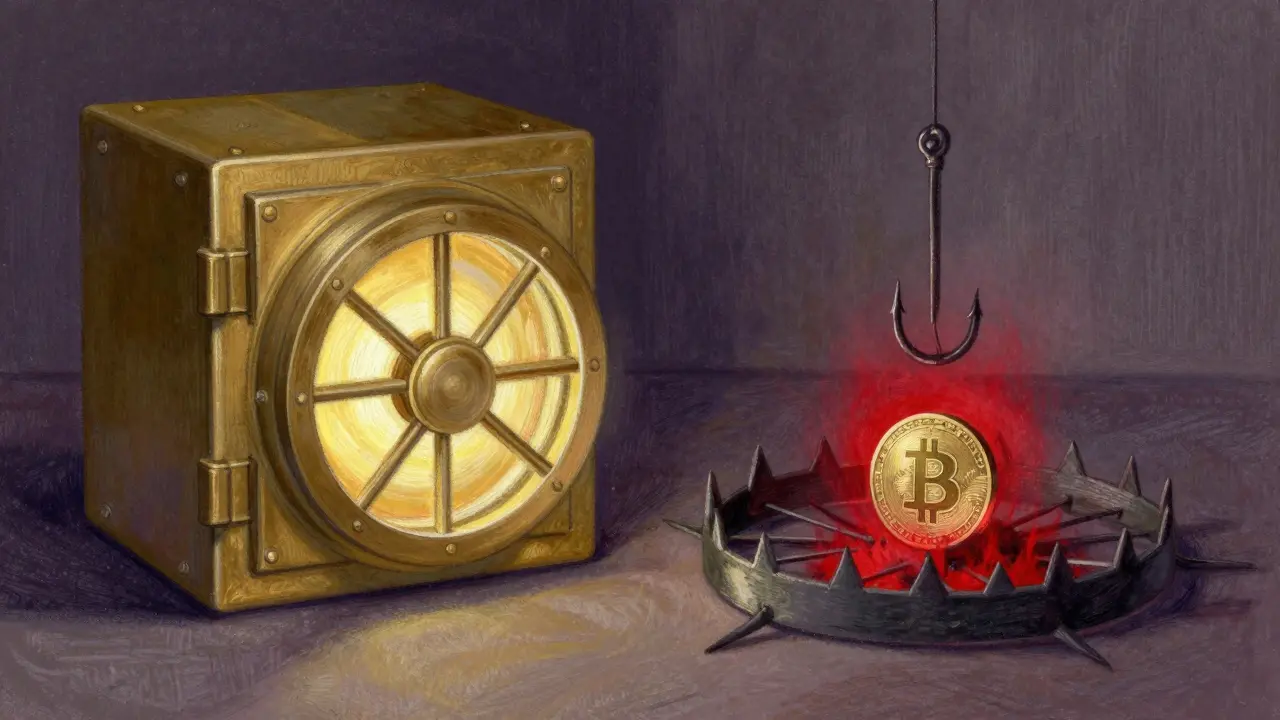
Since airdrops are high-traffic events, scammers love them. Here are three ways to tell if a "LEOS Event" is a fake:
- The "Send Crypto to Receive More" Scam: If a site tells you to send 0.1 ETH to an address to "verify" your wallet and receive 1000 LEOS, it is a scam. 100% of the time. Legitimate airdrops never ask for coins first.
- Urgency and Fear: "Claim in 10 minutes or lose everything!" Real projects have windows of several days or weeks. FOMO is the scammer's best friend.
- Direct Messages: No official Leonicorn Swap team member will ever DM you first on Telegram or Discord to give you a "special link."
What Happens After the Airdrop?
Getting the tokens is the easy part. The hard part is deciding what to do with them. Many people immediately sell their airdrop tokens, which creates a massive price drop (a "dump"). If the project has actual utility-like the ability to vote on new features or earn a percentage of platform revenue-holding the token might be more profitable in the long run.
Keep an eye on the total supply of LEOS. If the team mints billions of tokens for a "mega event" without a plan to burn them or create demand, the price will likely stay low regardless of how many tokens you have in your wallet.
Is the LEOS airdrop free?
While the tokens themselves are free, interacting with the blockchain costs money. You will need to pay "gas fees" (network transaction costs) to swap tokens or provide liquidity. Depending on the network, this could be a few cents or several dollars.
What is a snapshot in the context of the LEOS event?
A snapshot is a record of the blockchain at a specific block height. The project uses this record to see who held tokens or provided liquidity at that exact second to determine who is eligible for the reward.
Can I participate with multiple wallets?
Many projects implement "Sybil protection" to stop people from using dozens of wallets. If the project detects multiple accounts with the same funding source, they may disqualify all of them from the airdrop.
Where can I trade my LEOS tokens?
Initially, LEOS will be available on the Leonicorn Swap DEX. Depending on the project's growth, they may later list on centralized exchanges (CEXs). Always check the official project documentation for the correct contract address before trading on any third-party site.
What should I do if the claim button isn't working?
First, ensure your wallet is connected to the correct network (e.g., BNB Chain or Ethereum). Second, refresh the page and clear your browser cache. If the problem persists, check the official Telegram announcement channel to see if the claim period has been delayed or if there is a known bug.
Troubleshooting and Next Steps
If you've finished your tasks but don't see your tokens, don't panic. Airdrop distributions are often rolled out in waves to prevent the network from crashing. Check your wallet on a blockchain explorer (like BscScan or Etherscan) to see if the tokens arrived but aren't showing up in your wallet app; you might just need to manually "add custom token" using the LEOS contract address.
For those who missed the New Year event, the best move is to join the community early. Most DeFi projects run recurring incentive programs, and being an active user of the swap tool often puts you in line for future rewards and governance rights.




Use a burner wallet for this. Safer.
Good advice on the burner wallet! Always better to be safe than sorry 😊
omg why is everyone so scared lol its just a swap. ppl act like every single thing in crypto is a scam now its gettin rly boring
Um, maybe if you actually knew how DEXes worked you'd realize the risk is obvious. Like, hello? Reading is fundamental, honey. I've already seen three other projects do this exact same airdrop model and the returns were mid at best. Honestly, the way some of you treat every tiny token like it's the next BTC is just embarrassin
The asymmetric risk profile here is laughable. We are seeing a classic liquidity trap where the incentive for the airdrop is designed to offset the inevitable impermanent loss caused by the token's volatility. If you quantify the delta between the projected reward and the actual slip in the pool, the ROI is negligible. This is essentially a zero-sum game for the retail participant while the whales manipulate the volume to pump their own bags. Most of you are just exit liquidity for the venture capital firms who seeded the project. The technical architecture of an AMM ensures that the providers take the brunt of the price swing while the protocol gains visibility. It's a textbook case of predatory incentive structuring. You're not "earning" a reward, you're paying for a marketing campaign with your own capital. The cognitive dissonance required to see this as a "free gift" is astounding. Stop ignoring the tokenomics and look at the circulating supply. The inflation rate will crush any marginal gains you make from the airdrop. It's an exercise in futility for anyone not in the inner circle.
Exactly. It's basically a digital church where everyone prays to a chart and hopes some magic token fairy gives them free money. It's all just a game for the elites to play with your hopes
Still think there's a lot of potential here if we just stay positive!
the value is not in the coin but in the journey of the seeker moving through the digital void
SURE!! Just trust the "official" website!!! That is exactly what the Globalists want us to do!!! They probably have a backdoor in the smart contract already to drain every single cent from every single patriot wallet!!! STAY VIGILANT!!!
This is just another pathetic attempt to lure in idiots. Only a fool would think this "mega event" is anything other than a joke. Absolute rubbish.
Oh look, another "groundbreaking" project. I'm sure this will definitely be the one that doesn't rug pull. How original.
I would recommend that all participants ensure they have a comprehensive understanding of the specific network fees associated with the BNB Chain to avoid any unexpected costs.
I concur with the previous sentiment regarding gas fees. It is prudent to maintain a small reserve of the native currency to ensure all transactions are completed successfully.
Let's all just help each other out and keep things friendly while we try this out! 🌟
Love the energy here! Let's get those tokens together! 🚀💎🙌
The airdrop mechanism is actually quite simplle. Most people fail to realize that the snapshot is the most critical part of the proces. If your balance is not recorded at that exact block, you are out of luck. Simple as that.
Got a link to the site?
I believe we can achieve a great synergy here by sharing our strategies for liquidity provision and maximizing our yield through strategic pairing.
omg i tried to connect my wallet and it just spun for like ten minutes!! is the site broken or am i just unlucky lol i can't even with this!!
just take a breath. the tokens will come if they are meant to
I will participate with caution and follow the guidelines provided. Thank you for the detailed breakdown.
It's really important to remember that we are all just trying to make a living. Let's support each other.
Whatever. As long as the US keeps dominating the tech space, these tokens are just noise.
Listen, the US is the gold standard for finance, but you've gotta be aggressive to win in this market! Get in there and take what's yours!