
Bull vs Bear Market Psychology: Why Emotions Drive Stocks
Jonathan Jennings
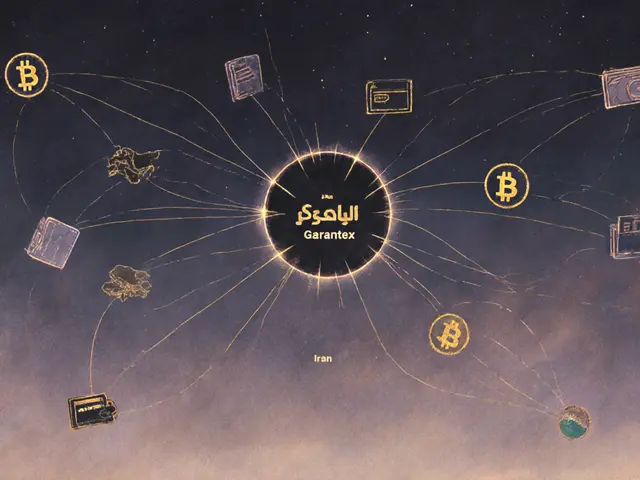
Asset Forfeiture in Crypto: How Governments Seize Digital Assets and What It Means for You
When you hear asset forfeiture, the legal process where authorities take ownership of property suspected of being tied to crime, you might think of cash stashed in suitcases or luxury cars seized from drug lords. But in 2025, asset forfeiture is happening on the blockchain—right in your crypto wallet. The U.S. Treasury’s OFAC has blocked over 1,200 crypto addresses linked to ransomware, sanctions evasion, and darknet markets. Bitcoin, Ethereum, and even meme coins aren’t safe if they’re traced to a sanctioned entity.
OFAC crypto enforcement isn’t just about punishing bad actors—it’s reshaping how exchanges, wallets, and DeFi platforms operate. Exchanges like Upbit and BCEX Korea got slammed for failing to screen users, leading to massive fines and forced compliance upgrades. If your wallet ever received funds from a flagged address—even unknowingly—you could be caught in the crosshairs. That’s why crypto sanctions now require real-time transaction monitoring, not just basic KYC. Projects that ignore this, like fake airdrops claiming ties to CoinMarketCap or Garantex, are often just fronts for laundering money. And regulators aren’t waiting for proof of intent—they’re acting on chain data alone.
It’s not just about big players. In South Korea, 500,000 KYC failures exposed how easily bad actors slip through weak verification. In Tunisia, a total crypto ban didn’t stop underground trading—it just pushed it deeper into the shadows, where asset forfeiture risks are even higher. Meanwhile, blockchain compliance tools are evolving fast: smart contracts now auto-freeze funds when they detect sanctioned addresses, and decentralized exchanges are integrating on-chain screening. You can’t opt out of this system anymore. Whether you’re holding DOGE, staking ETH, or trying to claim PHA tokens, your activity leaves a trail. If that trail connects to a sanctioned wallet, your assets can vanish overnight.
What you’ll find in the posts below isn’t theory—it’s real cases. From the $15.8 billion in sanctioned crypto flows in 2024 to how Turkey froze accounts under MASAK rules, these stories show exactly how asset forfeiture plays out in practice. You’ll see which exchanges got caught, which airdrops were scams tied to money laundering, and how even simple actions like running a node can put you on a compliance radar. This isn’t about fear. It’s about awareness. If you’re in crypto, you’re already in the system. The question isn’t whether asset forfeiture affects you—it’s whether you know how to protect yourself before it’s too late.

Governments worldwide are seizing billions in cryptocurrency, with the U.S. now holding over $17 billion in Bitcoin as a strategic reserve. Learn how different countries handle crypto seizures, what assets are targeted, and what it means for users.
Jonathan Jennings Dec 4, 2025