Understanding Different Hash Algorithms Used in Cryptocurrencies
Jonathan Jennings
Blockchain Games: What They Are, Why They Matter, and What’s Really Working
When you hear blockchain games, video games that use blockchain technology to give players real ownership of in-game items like characters, weapons, or land. Also known as Web3 gaming, it turns your time spent playing into something that can have real-world value—if it’s built right. Unlike traditional games where your loot disappears when you quit, blockchain games let you own, trade, or even sell your digital assets outside the game. This isn’t just theory—it’s happening in games like MagicCraft and Bit.Country’s MNet, where players have earned tokens by playing, farming, or completing quests.
But not all blockchain games are created equal. Many are just flashy skins over broken economics. Some promise play-to-earn, a model where players earn cryptocurrency or NFTs by playing. Also known as P2E, it sounded like free money at first—until the tokens crashed, the servers went dark, or the devs vanished. Look at WNT from Wicrypt or Dot Finance’s PINK token: both were tied to gaming or community efforts, but lacked real utility and collapsed under their own weight. The ones that survive? They focus on fun first, rewards second. They don’t force you to buy NFTs just to start playing. They build communities, not pump-and-dump schemes.
NFT games, games where in-game items are non-fungible tokens stored on a blockchain. Also known as crypto gaming, it lets you trade your dragon, sword, or virtual plot of land on open markets. But owning an NFT doesn’t mean much if no one wants to buy it. That’s why the best blockchain games now tie NFTs to real gameplay—like earning MCRT tokens in MagicCraft’s Wizard’s Rainfall, or claiming NUUM tokens through Bit.Country’s metaverse. These aren’t just collectibles—they’re access passes to deeper experiences.
What’s missing from most blockchain games? Sustainability. Too many treat players like ATM machines: get your money, then vanish. The ones that last understand that people play for fun, not just for crypto. They don’t lock your tokens for years. They don’t charge you just to log in. And they don’t rely on new players constantly joining just to pay off the early ones. Real blockchain games balance reward systems, keep the tech simple, and make sure the game feels good to play—even if you never sell a single NFT.
And yes, you can still make money—but only if you know where to look. The market is full of dead projects like Amaterasu Finance or THDax, which promised big returns but delivered nothing. Meanwhile, platforms like Cube Exchange and Biteeu show that regulation and security matter, even in gaming. You don’t need to be a crypto expert to enjoy a blockchain game. But you do need to know which ones are built to last—and which are just hype with a blockchain label stuck on.
Below, you’ll find real reviews, broken-down airdrops, and honest takes on the games and platforms that actually deliver. No fluff. No promises of riches. Just what’s working, what’s not, and how to avoid getting burned.
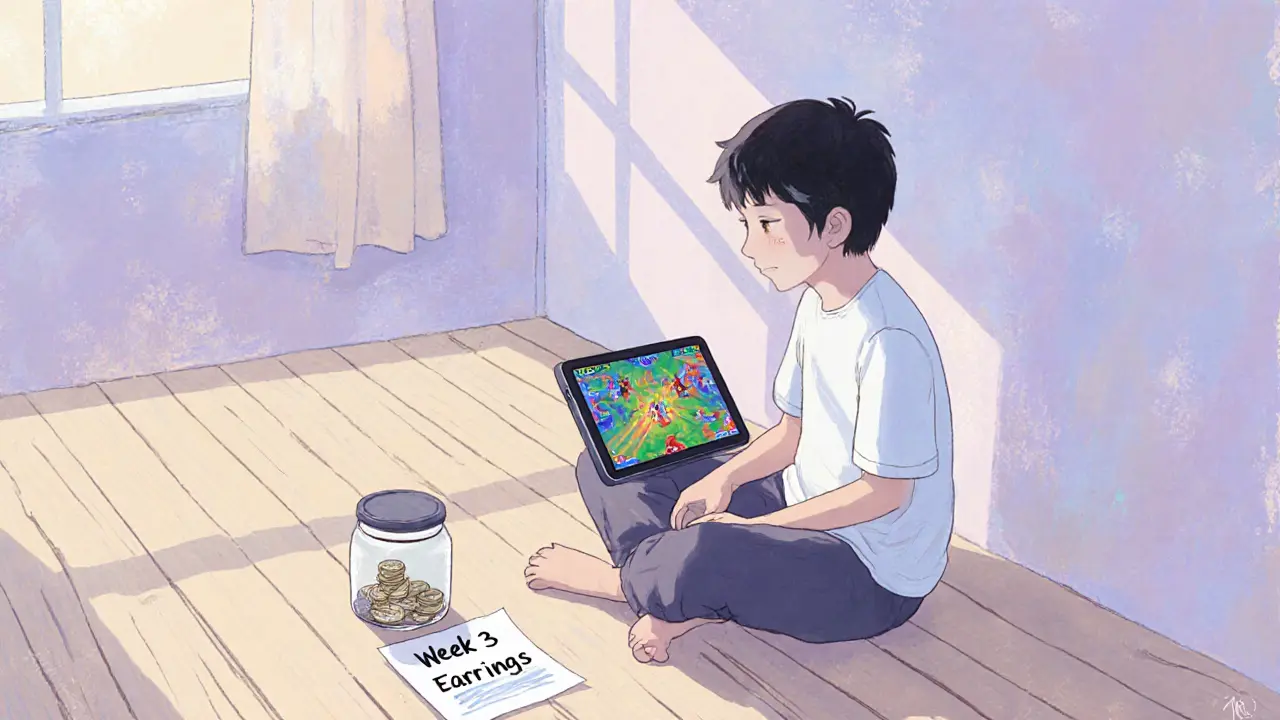
Play-to-earn gaming lets players earn real cryptocurrency by playing blockchain-based games. Learn how the economy works, who's making money, and how to start safely in 2025.
Jonathan Jennings Nov 8, 2025