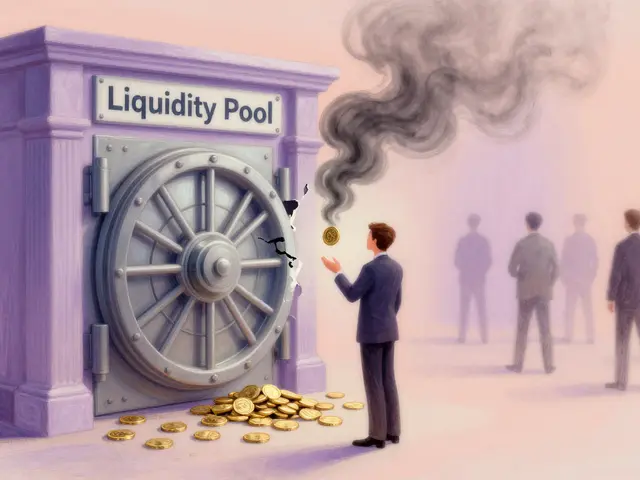
Smart Contract Rug Pull Mechanisms: How Crypto Scams Drain Your Funds
Jonathan Jennings
Blockchain Gaming Airdrop: How to Spot Real Rewards and Avoid Scams
When you hear blockchain gaming airdrop, a free token distribution tied to a play-to-earn game or NFT-based game ecosystem. Also known as gamefi airdrop, it’s meant to reward early players and grow the user base. But here’s the truth: most of them are fake. You’ll see ads promising free tokens for signing up, sharing on Twitter, or connecting your wallet. Nine times out of ten, it’s a trap. Real blockchain gaming airdrops don’t ask for your private key. They don’t require you to pay a fee to claim. And they don’t show up as trending topics on shady Telegram groups.
The real ones come from projects with working games, public teams, and clear tokenomics. Look at play-to-earn gaming, a model where players earn cryptocurrency by playing blockchain-based games. Also known as P2E, it’s the engine behind most gaming airdrops. Projects like Phala Network’s PHA airdrop gave tokens to users who ran nodes and supported the network—not just clicked a button. That’s how you know it’s real. Compare that to the fake GameFi Protocol (GFI) airdrop that never existed, or the WifeDoge (WIFEDOGE) ‘earn’ program that only paid out through Bitget’s Learn2Earn quiz. The difference? One rewards contribution. The other rewards gullibility.
Then there’s NFT gaming, the use of non-fungible tokens as in-game assets like characters, weapons, or land. Also known as digital collectibles in games, they’re often tied to airdrops because they give players skin in the game. If a game says you’ll get tokens just for owning an NFT, check if that NFT is on a verified marketplace like OpenSea. If it’s only listed on a site you’ve never heard of, run. Real NFT gaming projects have audited smart contracts, public GitHub repos, and community forums with active devs. Scams? They vanish after the airdrop ends, leaving wallets empty and Discord servers silent.
And don’t forget blockchain games, the actual software platforms that run on decentralized networks like Ethereum, Polygon, or Cardano. Also known as decentralized games, they’re the foundation of every real airdrop. If the game loads slowly, has no gameplay video, or the website looks like it was made in 2017, it’s not worth your time. Real blockchain games have active players, regular updates, and token distribution plans tied to actual usage—not just hype.
What you’ll find below isn’t a list of free money. It’s a collection of real stories—some where people got paid, others where they lost everything. You’ll see how Upbit’s KYC failures show why identity verification matters before you claim anything. You’ll learn why the WNT airdrop faded into nothing, and why KubeCoin’s supposed 2025 airdrop is a ghost. You’ll find out which platforms actually deliver, and which ones are just digital storefronts for con artists. This isn’t about luck. It’s about knowing what to look for before you click ‘claim’.

Learn how to participate in the WSG airdrop by Wall Street Games, what the token is worth, and whether it's worth your time. Get the full breakdown of tasks, risks, and what happens after you win.
Jonathan Jennings Dec 6, 2025
No official GZONE airdrop exists in 2025. Learn the truth about GameZone's IDO, how the token works, and how to legitimately participate in its ecosystem without falling for scams.
Jonathan Jennings Dec 1, 2025