WNT Wicrypt NFT & Device Drop Airdrop: What Actually Happened and Why It Faded
Jonathan Jennings
Node Operation: What It Is, Why It Matters, and How It Powers Blockchain Networks
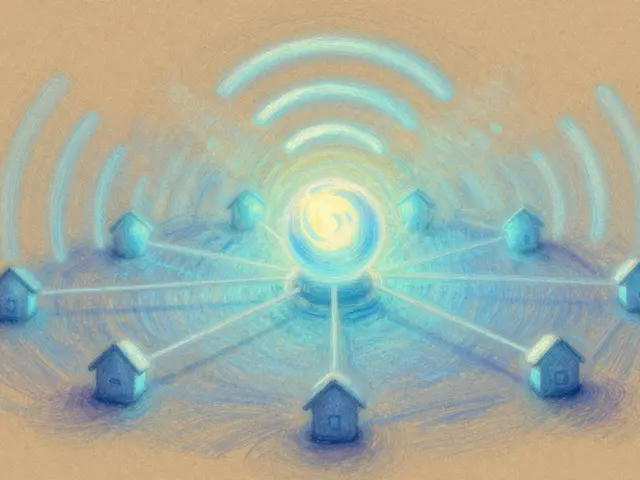
When you hear node operation, a node operation is when a computer runs software that validates and relays transactions on a blockchain network. Also known as running a blockchain node, it’s the quiet backbone of every decentralized system—from Bitcoin to Cardano. Without nodes, blockchains wouldn’t confirm transactions, store data, or stay secure. It’s not glamorous, but it’s essential.
Node operation isn’t just for tech experts. Anyone with a decent internet connection and a little patience can run one. Some nodes help verify transactions and earn rewards, like in proof-of-stake networks such as Cardano or Ethereum. Others, like Bitcoin full nodes, don’t pay you directly but strengthen the whole network by rejecting bad blocks and preventing fraud. You’re not just using crypto—you’re helping keep it alive. That’s why platforms like SundaeSwap and Cube Exchange rely on healthy node networks to function without central servers. And when exchanges like TRIV or Biteeu claim to be decentralized, you can check if they’re actually connected to real nodes—or just pretending.
Not all nodes are the same. There are full nodes that store the entire blockchain, light nodes that only check headers, and validator nodes that actively participate in consensus. Some, like those in MagicCraft or Bit.Country’s MNet, even power gaming and metaverse economies. If you’ve ever heard of staking, mining, or running a validator, you’re dealing with different types of node operation. Even something as simple as checking your wallet balance on a dApp involves a node behind the scenes. The more nodes there are, the harder it is for anyone to shut down the network—or manipulate it. That’s why OFAC sanctions target specific node operators, and why platforms like Web3.World fail: they have no real node infrastructure to speak of.
Running a node doesn’t mean you need to be a coder. Tools exist to simplify it. You can set up a node on a Raspberry Pi, use cloud services, or even join a node-sharing group. But it’s not free—there’s electricity, storage, and bandwidth cost. Still, if you care about true decentralization, it’s one of the few ways to actually contribute instead of just consuming. The people who run nodes are the ones keeping crypto alive when exchanges crash, when airdrops vanish, or when scams like THDax or Crypcore disappear. They’re the invisible workers behind every HODL strategy, every dApp, every token you trade.
Below, you’ll find real reviews and breakdowns of platforms that depend on node operation—some doing it right, others barely pretending. You’ll see which exchanges actually run nodes, which ones are just fronts, and how node health affects your wallet. Whether you’re thinking of running your own or just want to know who’s really behind the scenes, these posts cut through the noise.

Running a blockchain node keeps the network secure, censorship-resistant, and truly decentralized. It's not just for tech experts-anyone can help maintain the system by running a node and verifying transactions independently.
Jonathan Jennings Nov 14, 2025