Uniswap v4 on Avalanche: The Best Decentralized Exchange for Low-Cost Crypto Swaps
Jonathan Jennings
Sell NFTs: How to Turn Digital Art into Cash Without Getting Scammed
When you sell NFTs, non-fungible tokens that prove ownership of digital items like art, music, or virtual land. Also known as digital collectibles, they’re not just pixels—they’re verified assets on the blockchain that can be bought, sold, and traded like physical goods. But here’s the truth: most people who buy NFTs never make money selling them. Why? Because they treat them like lottery tickets instead of assets with real market dynamics.
To sell NFTs successfully, you need three things: a clear value proposition, the right platform, and a wallet that actually works. The biggest mistake? Listing your NFT on every marketplace at once. OpenSea, Blur, and Magic Eden aren’t interchangeable. OpenSea has the most buyers but charges high fees. Blur is where serious traders go for low-cost sales and bulk listings. Magic Eden dominates Solana NFTs—if your art is on Solana, that’s your best shot. And if you’re selling on Ethereum, gas fees can eat your profit before you even list.
Valuation is another trap. Just because someone paid $10,000 for a Bored Ape last year doesn’t mean your cat meme is worth $500 today. NFT prices crash fast when hype fades. Look at the floor price—the lowest price any NFT in that collection is currently listed for. That’s your real benchmark. If your NFT is below floor, it’s not selling because it’s undervalued. It’s selling because no one wants it. Check recent sales on the collection’s page. If there haven’t been any trades in 30 days, you’re dealing with a dead market. Don’t waste time.
And don’t ignore scams. Fake marketplaces, phishing links, and "free mint" traps are everywhere. If a site asks you to connect your wallet and sign a transaction before you see the listing, walk away. Real platforms never ask for approval to move your funds before you confirm a sale. Always verify the contract address. A quick Google search of the NFT collection name + "official contract" will show you the real one. If it’s not on OpenSea or the project’s official site, it’s fake.
Wallets matter too. You can’t sell an NFT if it’s stuck in a wallet that doesn’t support the blockchain it’s on. MetaMask works for Ethereum and most EVM chains. Phantom is the go-to for Solana. If you’re unsure, check the NFT’s blockchain on Etherscan or Solscan. Then make sure your wallet supports it. No point in having a rare NFT if you can’t move it.
Some people think selling NFTs is about getting rich quick. It’s not. It’s about knowing when to cut losses, when to wait, and how to spot real demand. The people who profit aren’t the ones who bought the most expensive art. They’re the ones who tracked sales trends, avoided dead collections, and sold when liquidity was high—not when their FOMO kicked in.
Below, you’ll find real breakdowns of NFT marketplaces, case studies of failed sales, and warnings about the scams that wiped out thousands of wallets. No fluff. No hype. Just what actually works when you’re trying to turn your digital assets into cash.
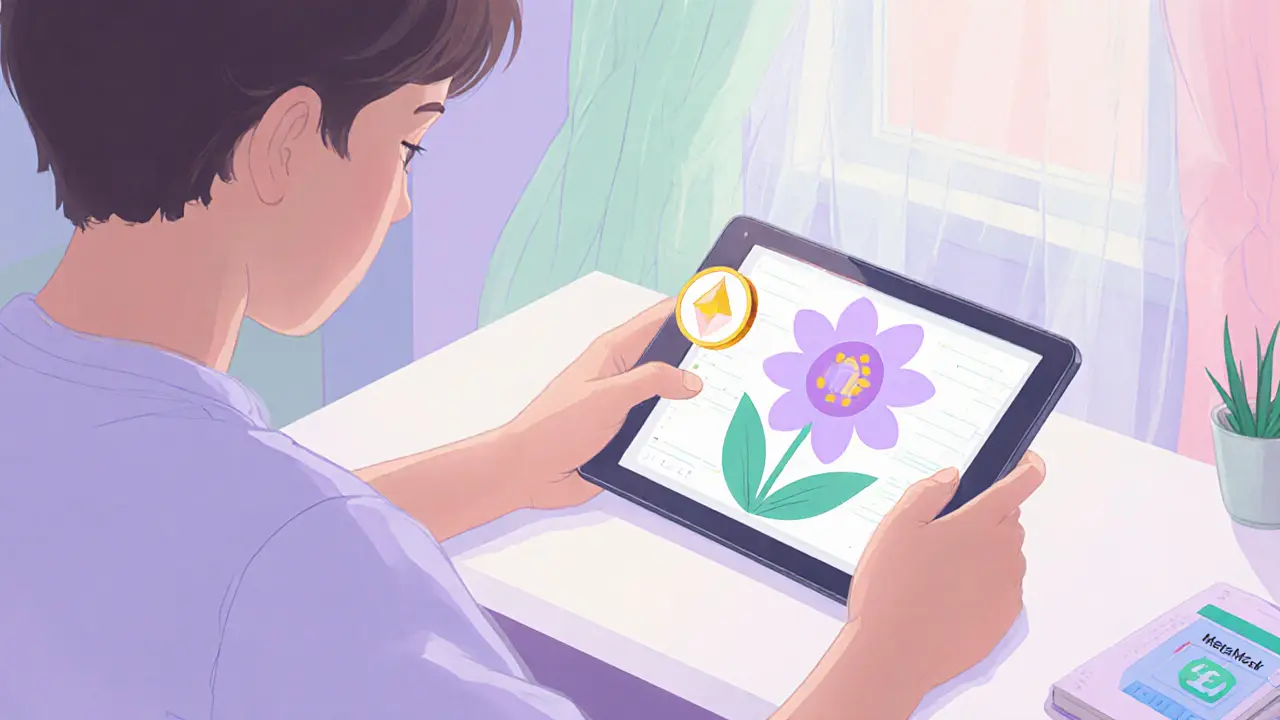
Learn how to buy and sell NFTs in 2025 with a clear, step-by-step guide. Avoid scams, understand fees, and use OpenSea and MetaMask like a pro.
Jonathan Jennings Nov 24, 2025