
What is MetaBeat (BEAT)? A Deep Dive into the K-Pop NFTFI Platform

Imagine turning your obsession with a K-Pop idol into actual income. Sounds like a dream? That is exactly what MetaBeat is trying to do. It is a new type of platform that mixes music fandom with cryptocurrency, specifically focusing on the massive K-Pop industry. But before you rush in to buy the $BEAT token, you need to understand what this project actually is, how it works, and whether it’s a solid investment or just another risky experiment.
In this guide, we will break down MetaBeat’s technology, its unique "Fan-to-Earn" model, and the current state of the BEAT token. We’ll look at the numbers, the risks, and the real-world utility behind the hype.
What Exactly is MetaBeat?
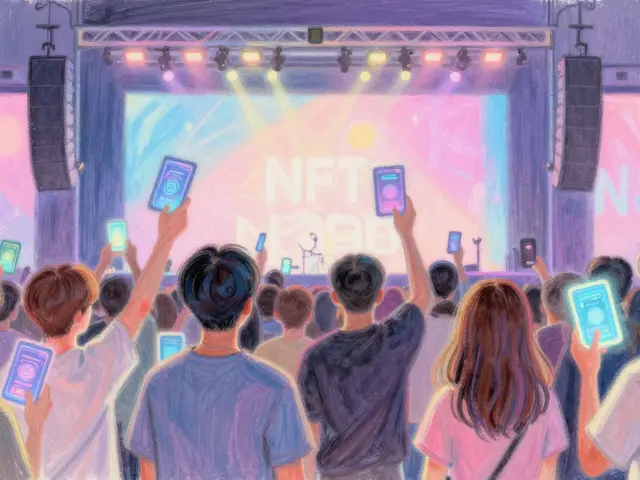
MetaBeat is not just another meme coin or a generic utility token. It is an NFTFI platform-a hybrid of Non-Fungible Tokens (NFTs) and Social Finance (SocialFi). The core idea is simple: reward fans for their engagement. Instead of just streaming songs or buying albums, fans can participate in a decentralized ecosystem where their activities generate value.
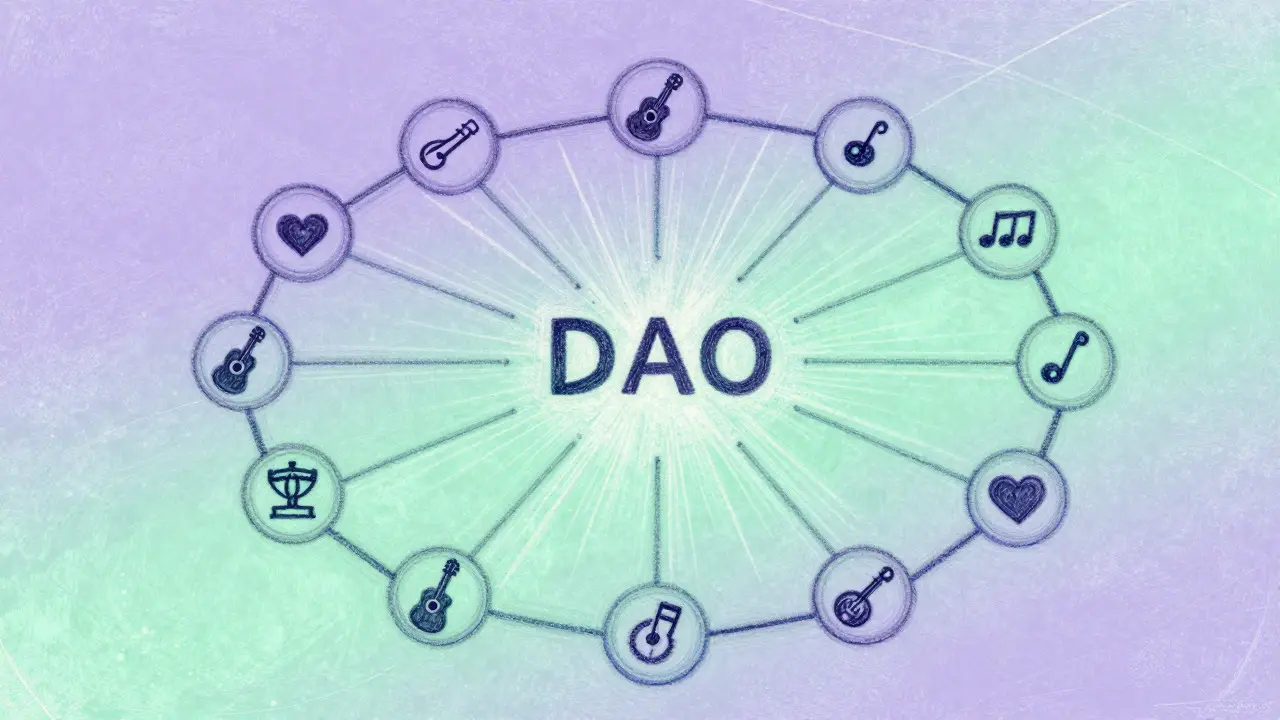
The platform was developed in South Korea, the heart of the K-Pop world, which gives it a strategic advantage in accessing artists and content. It operates as a Decentralized Autonomous Organization (DAO), meaning the community has a say in its future through governance voting. The native currency driving all these interactions is the BEAT token.
Unlike traditional platforms where money flows only from fans to corporations, MetaBeat aims to create a circular economy. Fans contribute by engaging, staking, and creating content, and in return, they receive rewards in BEAT tokens. This shifts the power dynamic, giving fans a stake in the success of the artists they support.
How the Fan-to-Earn Model Works
The magic of MetaBeat lies in its proprietary metric called the FANomance Index. This index tracks various fan activities-like sharing content, attending virtual events, or holding specific NFTs-and converts them into economic value. Here is how the two main services work:
- Drops: This service allows fans to issue K-Pop NFTs. By owning these NFTs, you become part of the community ownership structure. Holders receive monthly BEAT rewards based on their FANomance Index score. These NFTs also grant perks like concert ticket access and voting rights in the DAO.
- Mingle: This is the staking component. You can stake your BEAT tokens on your favorite artist’s albums or tracks. The more you stake, the higher your potential rewards. It’s a way to show support while earning passive income.
This model is backed by real assets-actual music content from real artists. This distinguishes MetaBeat from speculative NFT projects that have no underlying value. The goal is to make fandom profitable without requiring huge capital investments upfront.
Technical Infrastructure: Built on Solana
Speed and cost are critical for a platform dealing with millions of small transactions from fans worldwide. That is why MetaBeat is built on the Solana blockchain. Solana is known for its high throughput and low transaction fees, making it ideal for micro-rewards and frequent interactions.
The technical architecture includes four essential services:
- Drops: For NFT issuance and reward distribution.
- Mingle: For token staking mechanisms.
- Shout Out: Likely focused on social interaction and content promotion.
- Marketplace: Where users can trade NFTs and tokens.
By leveraging Solana, MetaBeat ensures that fans don’t lose half their rewards to gas fees, a common problem on other blockchains like Ethereum.

Current Market Status and Price Analysis
As of mid-2026, the BEAT token presents a mixed picture. While the concept is innovative, the market data suggests caution. Let’s look at the hard numbers from October 2025, which set the stage for the current landscape.
| Exchange/Data Source | Price (USD) | 24h Volume | Trend Indicator |
|---|---|---|---|
| KuCoin | $0.0002057 | $422 | -0.26% Daily Change |
| CoinMarketCap | $0.00003271 | $517.89 | Low Liquidity |
| CoinCodex | $0.000576 | N/A | High Volatility (22.66%) |
| Holder.io | $0.00040 | N/A | Bearish Sentiment |
Notice the significant price discrepancies between exchanges. This is a red flag for liquidity. When prices vary wildly across platforms, it means there aren’t enough buyers and sellers to stabilize the market. Trading volumes under $500 daily indicate very low adoption among traders.
Technical indicators paint a bearish short-term picture. The 50-Day Simple Moving Average (SMA) sits at $0.000765, and the 200-Day SMA is at $0.001128. Since the current price is well below both, the long-term trend is downward. The 14-Day RSI of 45.15 shows neutral-to-bearish momentum, suggesting sellers are currently in control.
Risks and Challenges
Investing in niche crypto projects like MetaBeat comes with substantial risks. Here are the key challenges you need to consider:
- Liquidity Risk: With such low trading volume, exiting a large position could crash the price further. You might find it difficult to sell your tokens quickly without significant slippage.
- Regulatory Uncertainty: South Korea is evolving its regulations for blockchain and entertainment. While generally supportive, changes in law could impact how MetaBeat operates or taxes its rewards.
- Adoption Hurdles: The platform needs major partnerships with top K-Pop agencies to succeed. Without big names, user growth may stagnate, leading to declining token value.
- Volatility: Like most altcoins, BEAT is highly volatile. A -32.60% weekly decline while the broader market rose 9.90% shows it underperforms during bull runs too.
Expert predictions vary widely. Some analysts forecast a drop to $0.000698 by late 2025, while others see potential recovery to $0.0018 by 2030. However, these are speculative models, not guarantees.
Who Should Consider MetaBeat?
MetaBeat isn’t for everyone. It suits specific types of users:
- Die-hard K-Pop Fans: If you already spend money on albums and merch, MetaBeat offers a way to potentially earn back some value through engagement.
- Early Adopters: Those willing to take high risks for high rewards in emerging Web3 sectors.
- Content Creators: Influencers who can leverage the FANomance Index to monetize their audience’s engagement.
If you are looking for stable, low-risk investments, BEAT is probably not for you. Its niche focus and current market metrics suggest it remains a speculative play rather than a blue-chip asset.
How to Buy BEAT Tokens
If you decide to proceed, here is the general process using KuCoin as an example:
- Create an Account: Sign up on a supported exchange like KuCoin and complete identity verification (KYC).
- Deposit Funds: Add fiat currency or another cryptocurrency (like USDT or SOL) to your wallet.
- Find the Pair: Search for the BEAT/USDT or BEAT/SOL trading pair.
- Execute Trade: Place a limit or market order to buy BEAT tokens.
- Secure Your Assets: Consider transferring your tokens to a private Solana-compatible wallet for better security.
Always double-check contract addresses to avoid scams, especially given the low liquidity and high volatility of the token.
Future Outlook
The long-term viability of MetaBeat depends on two factors: partnership acquisition and user retention. Securing deals with major K-Pop labels would inject credibility and drive mass adoption. Meanwhile, maintaining an active community that consistently engages with the FANomance Index is crucial for sustaining the reward economy.
While the current market sentiment is bearish, the niche of music-based NFTs is growing. Competitors like Royal and Sound have paved the way, but MetaBeat’s focus on K-Pop gives it a unique angle. Whether it can capture that market share remains to be seen.
Is MetaBeat (BEAT) a good investment in 2026?
It is considered a high-risk, speculative investment. With low liquidity, high volatility, and bearish technical indicators, it is suitable only for investors who understand the risks and are passionate about the K-Pop sector. It is not recommended for conservative portfolios.
What blockchain does MetaBeat use?
MetaBeat is built on the Solana blockchain. This choice allows for fast transaction speeds and low fees, which is essential for its micro-reward system and NFT operations.
How do fans earn rewards on MetaBeat?
Fans earn rewards through the FANomance Index. Activities like issuing NFTs via the 'Drops' service, staking tokens on artists via 'Mingle', and engaging with content contribute to their index score, which determines their monthly BEAT token rewards.
Why is the BEAT token price so low?
The low price reflects limited market adoption, low trading volumes (under $500 daily), and high competition in the music NFT space. Additionally, bearish market sentiment and technical indicators showing downward trends contribute to the sub-penny valuation.
Can I buy BEAT tokens on Binance?
As of the latest data, BEAT is primarily listed on exchanges like KuCoin, CoinMarketCap aggregators, and Holder.io. It is not yet a top-tier listing on major centralized exchanges like Binance, which limits accessibility and liquidity.
What is the FANomance Index?
The FANomance Index is MetaBeat’s proprietary metric that quantifies fan engagement. It tracks actions such as NFT ownership, staking, and social interactions, converting them into economic value distributed as BEAT tokens.