
What is Solar (SXP) Crypto? A Guide to the Network, Tokenomics, and Risks in 2026

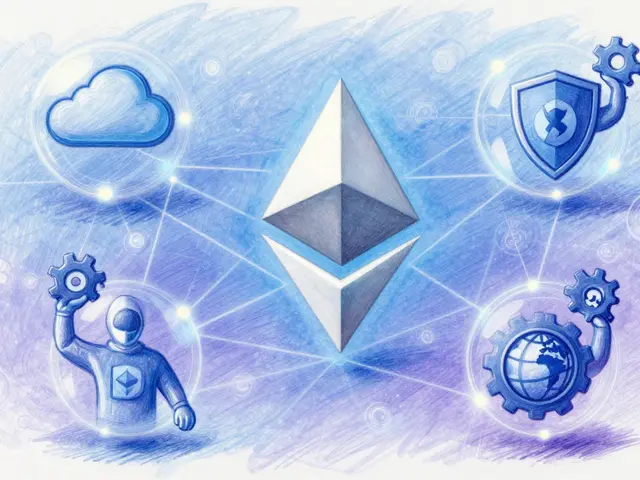
Have you ever bought a cryptocurrency because it sounded familiar, only to realize years later that the project has completely changed its identity? That’s exactly what happened with Solar (SXP). If you’re looking at your portfolio today and wondering why your SXP tokens aren’t behaving like they used to, or if you’re just hearing about Solar for the first time, you need to understand one crucial fact: this isn’t just a simple payment coin anymore. It has evolved into a full Layer-1 blockchain network with its own rules, governance, and technical architecture.
In mid-2026, Solar occupies a unique but precarious spot in the crypto landscape. It’s no longer tied to the Swipe payments card system many remember from 2021. Instead, it operates as an independent, community-driven blockchain focused on speed and energy efficiency. But does that make it a good investment or a useful tool right now? Let’s break down exactly what Solar is, how it works, and what you should watch out for before committing any funds.
From Swipe to Solar: The Origin Story
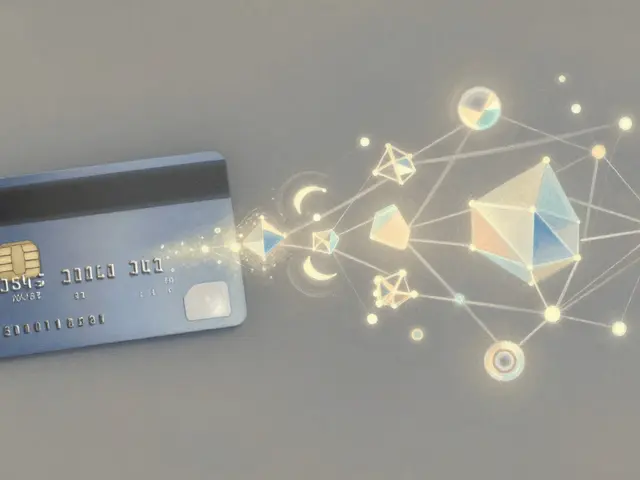
To understand where Solar is going, you have to look at where it came from. Originally, SXP was the native token of Swipe, a platform designed to let people spend crypto via debit cards and mobile apps. For a while, SXP existed primarily as an ERC-20 token on Ethereum and a BEP-20 token on Binance Smart Chain. It was essentially a bridge between digital assets and real-world spending.
Then came late 2021. Binance acquired most of Swipe’s shares. This wasn’t just a minor partnership; it was a strategic split. Binance absorbed the commercial payments business, while the remaining community-focused components were handed over to the newly formed Solar Blockchain Foundation. The goal was clear: create a decentralized, community-owned alternative to the centralized payments model.
This transition led to the launch of the Solar mainnet on March 28, 2022. Think of this as a hard fork from the past. The new chain was built on the open-source ARK Core framework, allowing it to operate independently. Over the next few years, specifically through 2023, legacy SXP tokens were migrated to this new mainnet on a 1:1 basis. By early 2025, the migration was largely complete, cementing SXP’s role not just as a payment method, but as the fuel for an entire blockchain ecosystem.
How the Solar Network Works Technically
So, what makes the Solar Network tick under the hood? Unlike Bitcoin, which uses energy-intensive Proof-of-Work mining, Solar relies on Delegated Proof-of-Stake (DPoS). This is a critical distinction for both performance and sustainability.
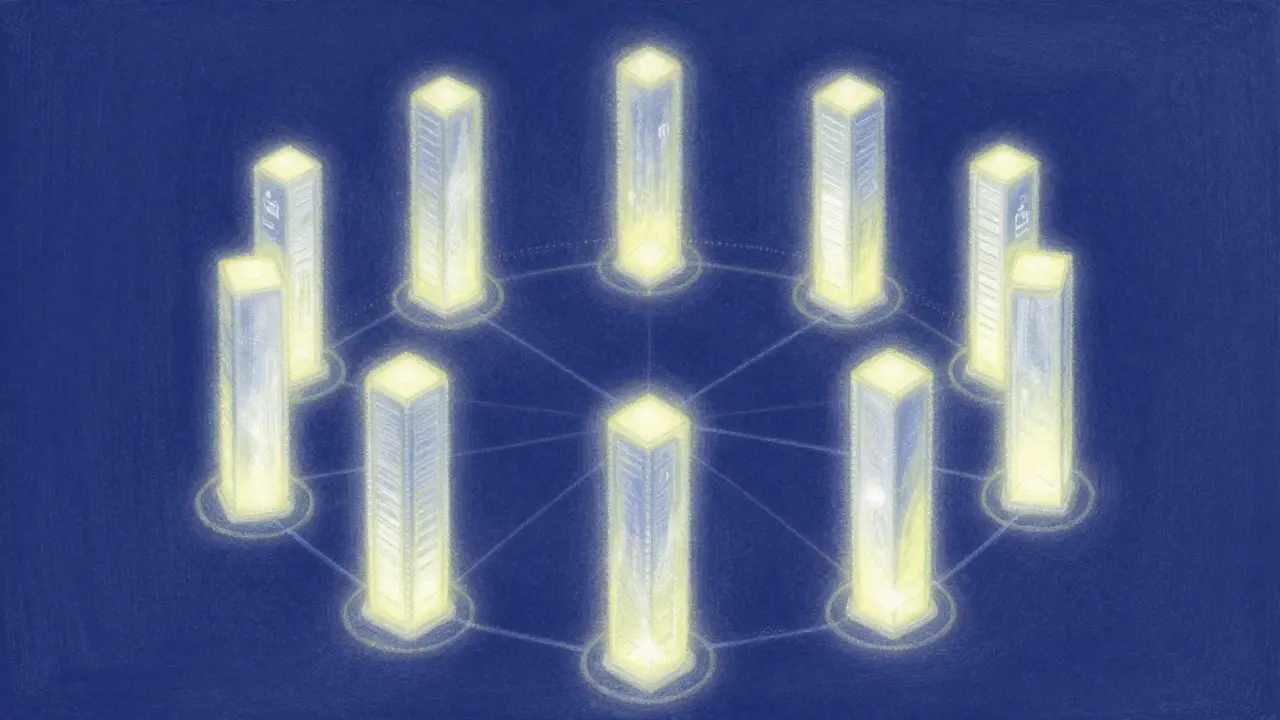
In a DPoS system, token holders vote for block producers-also known as Delegates-who are responsible for validating transactions and securing the network. Solar currently has exactly 53 elected Delegates. These validators take turns creating blocks. Because there are fewer validators than in pure Proof-of-Stake systems, the network can move much faster. Solar targets a block time of just 8 seconds. That means a new block is added roughly every 8 seconds, resulting in about 7.5 blocks per minute and over 10,000 blocks daily.
But speed isn’t the only feature. Solar Core, the underlying software, incorporates BIP340 Schnorr signatures. Why does that matter? Schnorr signatures allow for signature aggregation, which reduces the size of transaction data and improves verification efficiency. It’s a subtle technical upgrade, but it helps keep the network lean and responsive.
Another key mechanism is the partial fee burn. When you send SXP or interact with dApps on Solar, you pay fees in SXP. A portion of these fees is permanently destroyed. This deflationary pressure aims to reduce the effective circulating supply over time, theoretically increasing scarcity if demand remains steady.
| Feature | Detail |
|---|---|
| Consensus Mechanism | Delegated Proof-of-Stake (DPoS) |
| Block Time | 8 seconds |
| Number of Validators | 53 Elected Delegates |
| Signature Algorithm | BIP340 Schnorr Signatures |
| Fee Model | Partial Fee Burn (Deflationary) |
| Base Framework | ARK Core Fork |
The Role of SXP: Utility and Governance
If you hold SXP, you’re not just sitting on a speculative asset. You have actual responsibilities and privileges within the network. SXP serves three primary functions:
- Paying Fees: Every transaction, smart contract interaction, or token creation on Solar requires a small amount of SXP as a gas fee. This prevents spam and ensures network resources are used efficiently.
- Governance Voting: This is where DPoS shines. Your voting power is proportional to your SXP balance. You cast votes for the 53 Delegates who run the network. If a Delegate performs poorly or acts maliciously, the community can vote them out. This makes Solar truly decentralized in theory, as control rests with token holders.
- Staking Rewards: While Delegates validate blocks, regular users can stake their SXP to support the network. In return, they earn rewards distributed from the block emissions. However, exact APYs fluctuate based on network activity and total staked supply.
Beyond these basics, SXP is also required to create custom tokens and NFTs directly on the Solar chain. This positions Solar not just as a payment rail, but as a platform for developers building decentralized applications (dApps). Whether you’re launching a gaming asset or a loyalty program, SXP is the entry ticket.
Tokenomics and Supply Confusion
Here’s where things get tricky for investors. If you’ve been tracking SXP, you might have noticed conflicting numbers regarding total supply. As of early 2026, data varies significantly across platforms. Some sources, like Gate Learn and CoinEx, list a total supply figure around 570 million SXP, reflecting the legacy multi-chain existence (ERC-20 and BEP-20 versions still lingering on other networks).
However, other reports, including those from Binance Square in January 2026, cite a total supply closer to 660 million, with approximately 667 million in circulation. This discrepancy often stems from how different exchanges count wrapped tokens versus native mainnet tokens. Remember, the Solar mainnet migration aimed to consolidate everything, but legacy tokens may still exist on Ethereum or BSC due to bridges or user inaction.
For practical purposes, focus on the Solar Mainnet SXP. This is the version that participates in DPoS voting and receives block rewards. The partial fee burn mechanism means the circulating supply on the mainnet is slowly decreasing, assuming transaction volume holds up. Always check which version of SXP you are holding before trying to stake or vote.
Market Position and Risks in 2026
Let’s talk about the elephant in the room: price and adoption. Despite its technical merits, Solar has struggled to gain mainstream traction. As of mid-2026, SXP’s market capitalization hovers around $43 million, placing it outside the top 400-500 cryptocurrencies. This modest ranking highlights a significant challenge: differentiation.
The Layer-1 space is crowded. Giants like Ethereum, Solana, and even other DPoS chains like EOS offer similar or superior speeds and ecosystems. Solar’s attempt to pivot from a payments token to a general-purpose blockchain hasn’t fully resonated with the broader market. Analysts note that SXP’s price collapsed to near-zero levels in parts of 2026, driven by diminished interest post-Swipe separation and broader market downturns.
Is Solar dead? Not necessarily. The network is operational, blocks are being produced every 8 seconds, and the DAO is active. But it faces serious headwinds:
- Limited Developer Activity: Without a robust suite of popular dApps, there’s little reason for new users to join the network.
- Liquidity Issues: Lower market cap means wider spreads and higher volatility when trading.
- Narrative Confusion: Many retail investors still associate SXP with the old Swipe card product, leading to mismatched expectations.
If you’re considering buying SXP, do so with caution. It’s a high-risk, niche play suitable for those who believe strongly in the DPoS model and the specific vision of the Solar Blockchain Foundation. It’s not a blue-chip asset.

Who Is Solar For?
Solar isn’t for everyone. Here’s a quick breakdown of who might benefit from engaging with the network:
- Early Adopters & DPoS Believers: If you value decentralization and want direct say in network governance, Solar’s transparent voting system appeals to you.
- Developers Building Lightweight Apps: The fast block times and low fees make Solar attractive for micro-transactions or simple token/NFT projects that don’t require complex smart contracts.
- Speculative Traders: Given the low market cap, SXP can experience sharp percentage moves. Traders looking for volatility might find opportunities here, though the risk of further decline is real.
Conversely, if you’re looking for stable store-of-value properties or deep liquidity for large institutional trades, Solar is likely not the right fit. Stick to established networks for those needs.
Getting Started with Solar
Ready to dip your toes in? Here’s how to navigate the current landscape:
- Acquire SXP: Buy SXP on major exchanges like CoinEx, Gate.io, or Binance. Ensure you know whether you’re receiving native SXP or a bridged version.
- Use a Compatible Wallet: Transfer your tokens to a wallet that supports the Solar mainnet. Official wallets or trusted multi-chain options work best. Avoid keeping large amounts on exchanges if you plan to stake.
- Participate in Governance: Once your SXP is in your wallet, visit the Solar dashboard to vote for Delegates. Research their track records before casting your vote.
- Monitor Network Health: Keep an eye on block production and transaction volumes. Active usage is the best indicator of long-term viability.
Remember, the crypto space moves fast. What’s true today might shift tomorrow. Stay informed, read the official Solar documentation, and never invest more than you can afford to lose.
Is Solar (SXP) the same as Swipe?
No. While SXP originated as the token for the Swipe payments platform, it has since evolved into the native coin of the Solar Network, an independent Layer-1 blockchain. Binance acquired most of Swipe in 2021, leading to a split where the community-driven blockchain aspects became Solar. They are now separate entities with different goals.
How fast is the Solar blockchain?
Solar targets a block time of 8 seconds. This means transactions are confirmed very quickly compared to older blockchains like Bitcoin or Ethereum. With 53 validators working in rotation, the network achieves high throughput and low latency.
Can I mine SXP coins?
No, you cannot mine SXP using traditional hardware. Solar uses Delegated Proof-of-Stake (DPoS), which is energy-efficient. Instead of mining, you secure the network by staking your SXP tokens and voting for Delegates who produce blocks.
Why is the SXP price so low in 2026?
The price drop is attributed to several factors: the separation from the Swipe brand, limited adoption of the new Solar Network, competition from larger Layer-1 blockchains, and broader market downturns. Its market cap remains relatively small, indicating lower investor confidence compared to top-tier cryptos.
Is SXP available on Ethereum?
Yes, legacy versions of SXP exist as ERC-20 tokens on Ethereum and BEP-20 tokens on Binance Smart Chain. However, for full functionality like voting and staking on the Solar Network, you need the native SXP on the Solar mainnet. Bridges or swaps may be required to convert between versions.