
Avascriptions Crypto Exchange Review: Red Flags and Risks Explained
You see a new platform promising easy trading on the Avalanche blockchain is a high-performance public blockchain known for its speed and low transaction costs, often used for DeFi applications and NFTs., maybe even a shiny new token standard. It sounds exciting. But before you connect your wallet or deposit funds into Avascriptions is a controversial centralized cryptocurrency exchange and protocol built on Avalanche, designed for deploying and trading ASC-20 tokens, but flagged by security databases for potential scams due to lack of transparency and missing operational data., you need to ask one simple question: Is this actually safe? The short answer, based on everything available right now in mid-2026, is that it looks incredibly risky. In fact, major crypto monitoring services have already raised serious alarms.
We don’t just take words at face value in this industry. We look for proof. Proof of reserves, proof of team identity, proof of regulatory compliance. When we dig into Avascriptions, we find very little of that proof-and plenty of warning signs. This review isn’t about whether the technology *could* work; it’s about whether you should trust your money with them.
The Core Problem: Lack of Transparency
In the world of cryptocurrency, transparency isn't just a nice-to-have feature; it's the foundation of trust. Legitimate exchanges like Binance or Coinbase publish regular audits, list their leadership teams, and clearly state where they are licensed. Avascriptions does none of these things. If you go to their website, avascriptions.com, you’ll find information about their technical features, but almost nothing about who runs the company.
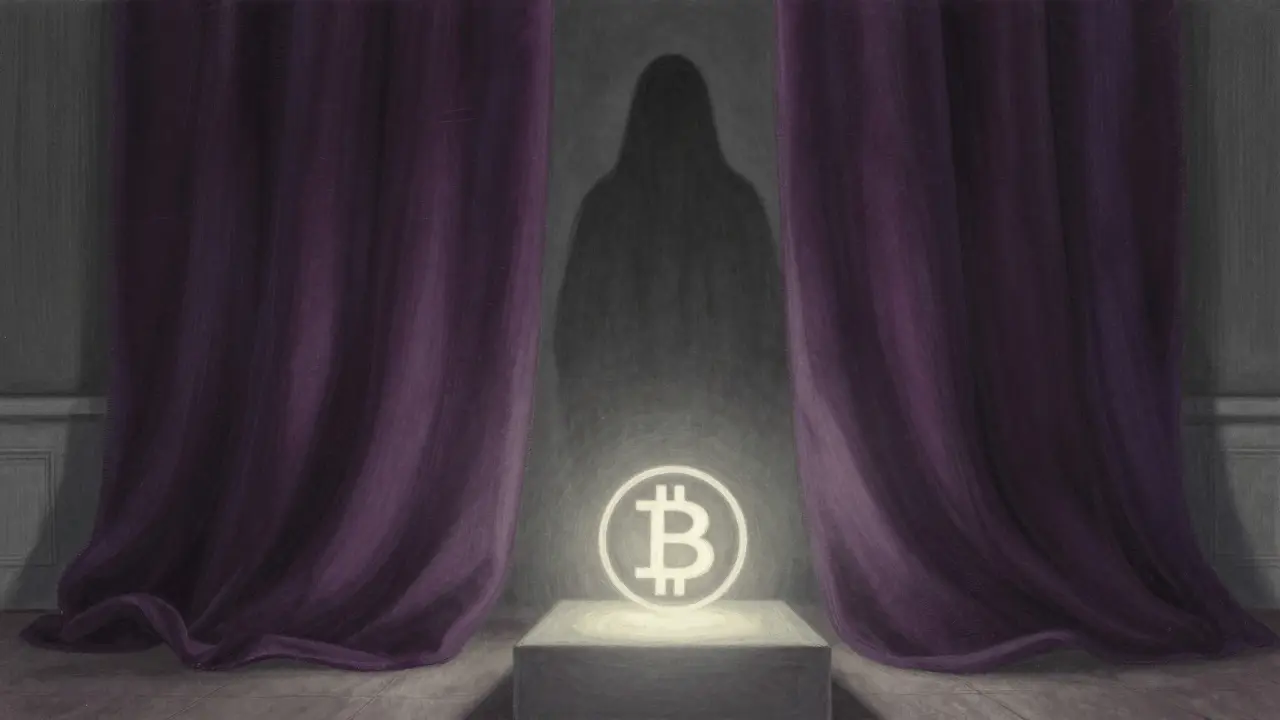
Who are the founders? Where is the headquarters located? Which regulators oversee their operations? These questions remain unanswered. This anonymity is a massive red flag. In traditional finance, banks must disclose this information by law. In crypto, while some privacy is common, total opacity usually signals trouble. Without knowing who is behind the curtain, you have no recourse if something goes wrong. You can’t sue a ghost, and you can’t hold anonymous developers accountable for lost funds.
Security Alerts: The Scam Database Flag
Here is the most critical piece of information you need to know: Avascriptions is listed on CryptoLinks’ "Crypto Scams Sites" database. This isn’t a minor complaint from a disgruntled user. CryptoLinks is a recognized resource that tracks platforms exhibiting fraudulent behavior. Their specific warnings against Avascriptions include hiding the team behind the project, having a bad reputation for deceiving users, and lacking a proper whitepaper.
A whitepaper is essentially the business plan for a crypto project. It explains how the technology works, what problem it solves, and how the tokenomics function. Avascriptions fails here too. Without a clear, written document outlining their vision and mechanics, investors are flying blind. Why would a legitimate business refuse to provide basic documentation? Usually, it’s because there is nothing substantial to show.
Technical Claims vs. Reality
Let’s look at what Avascriptions claims to do. They position themselves as a hub for ASC-20 tokens are a token standard on the Avalanche blockchain, similar to ERC-20 on Ethereum, used for creating fungible tokens within the Avascriptions ecosystem.. They talk about implementing ASIP-1 (Smart Contract Avascription ASC-20 Transfers) and developing ASIP-2 to give smart contracts more power. They also boast about an open API for developers to build wallets and browsers.
On paper, this sounds innovative. Building tools for developers is a good thing. However, innovation means nothing without adoption and security. There is no evidence that major developers are using their API. There are no reputable third-party security audits of their smart contracts. In the crypto space, unaudited code is dangerous code. Bugs in smart contracts lead to hacks, and hacks lead to zeroed-out balances. If Avascriptions hasn’t hired firms like CertiK or Trail of Bits to audit their code, why should you trust that your assets are safe?
User Verification and Badges: A Gimmick?
Avascriptions has created a verification badge system for traders. They categorize users based on trading volume:
- ASC20 Eco-Builder (Blue Badge): Requires 20,000 AVAX in trading volume.
- ASC20 Eco-Pioneer (Gold Badge): Requires 100,000 AVAX in trading volume.
- ASC20 Eco-Navigator (Red Badge): Requires 500,000 AVAX in trading volume.
- ASC20 Eco-Legend (Legendary Badge): Requires 2,500,000 AVAX in trading volume.
This system seems designed to create a sense of status and competition. But think about it. To get the lowest tier badge, you need to trade 20,000 AVAX. At current prices, that’s hundreds of thousands of dollars in volume. Who is doing this? If the platform is truly active, why aren’t we seeing real user reviews discussing these badges? Instead, this looks like a marketing tactic to encourage whales to pump volume, potentially inflating metrics artificially to make the exchange look busier than it is.
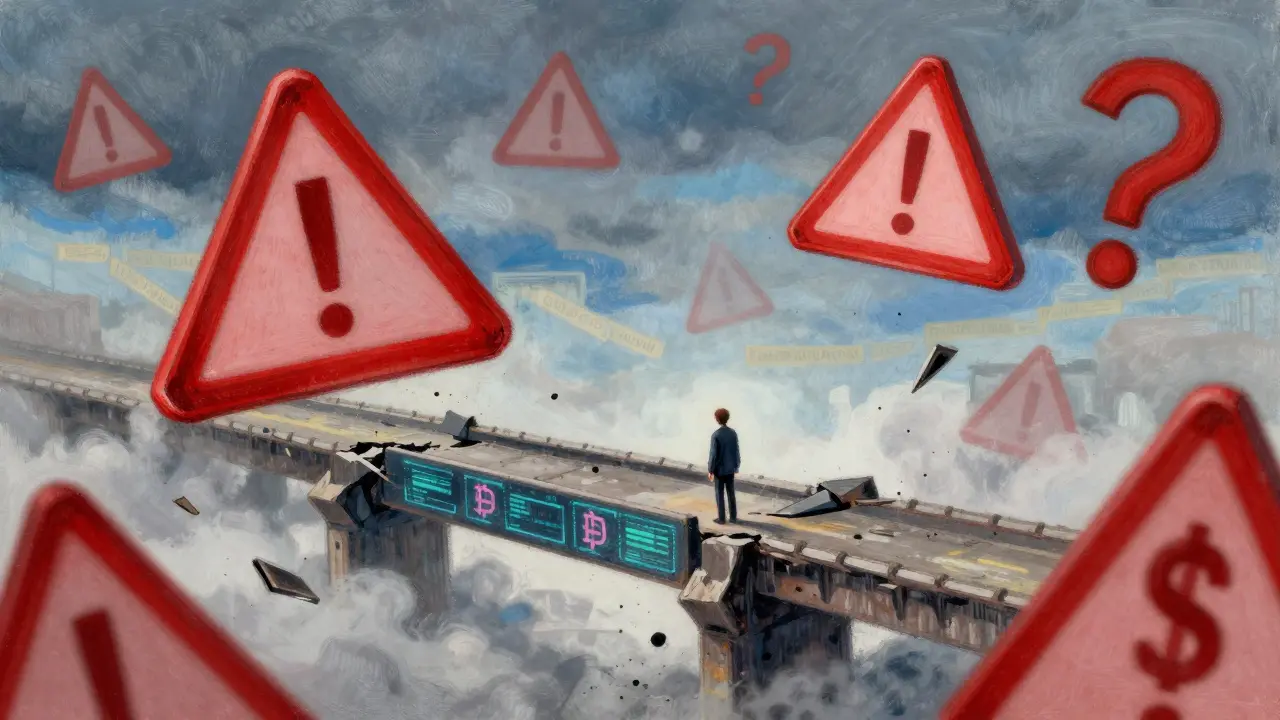
Missing Data: The Silent Killer
When you check data aggregators like CoinCarp for Avascriptions, the results are empty. Here is what is missing:
| Metric | Status | Why It Matters |
|---|---|---|
| 24-Hour Trading Volume | Unknown | Shows liquidity and activity. No volume means you might not be able to sell. |
| Number of Markets | Unknown | Indicates variety of assets available for trading. |
| Proof of Reserves | None | Proves the exchange holds user funds. Without it, funds could be gone. |
| Cybersecurity Rating | Unknown | Assesses vulnerability to hacks and breaches. |
| Launch Date | Unclear | Helps determine track record and longevity. |
Legitimate exchanges compete on these metrics. They brag about their volume and security ratings. Avascriptions hides them. This absence suggests either the numbers are too low to be credible, or the platform is not operating as a functional exchange at all.
Token Availability and Third-Party Risks
The native token, $AVASC, is reportedly available on third-party exchanges like Bitget. Some guides even exist for buying it with credit cards in regions like Zambia. Just because a token is listed on another exchange doesn’t mean the underlying project is safe. Many scam tokens get listed on smaller or less rigorous exchanges to create an illusion of legitimacy. Always verify the source. If the primary platform (Avascriptions) is flagged as a scam, holding its token carries significant risk of devaluation or becoming worthless if the project collapses.
No Community Voice
Go to Reddit. Go to Trustpilot. Go to specialized crypto forums. What do you find about Avascriptions? Nothing. Not a single review. Not a single discussion. For a platform claiming to be an exchange, this silence is deafening. Real users leave feedback-good or bad. The complete lack of community sentiment suggests that either no one is using it, or those who tried had such bad experiences that they avoided public platforms, or perhaps the platform is so new and obscure that it hasn’t gained traction. Given the scam flags, the latter seems unlikely. It’s more probable that early adopters were burned and moved on quietly.

Regulatory Black Hole
As of 2026, global regulators are cracking down hard on unlicensed crypto exchanges. The US SEC, the EU’s MiCA regulations, and other bodies require strict KYC (Know Your Customer) and AML (Anti-Money Laundering) procedures. Avascriptions provides no information on licensing. Are they registered in any jurisdiction? Do they perform identity checks? If they don’t, they are likely operating illegally in many countries. Using an unregulated exchange exposes you to legal risks and zero consumer protection. If the site shuts down tomorrow, there is no government agency you can call to help recover your funds.
Comparison: Avascriptions vs. Established Exchanges
To put the risks into perspective, let’s compare Avascriptions with a well-known, regulated alternative like Coinbase or even a reputable decentralized exchange on Avalanche like Trader Joe.
| Feature | Avascriptions | Coinbase / Trader Joe |
|---|---|---|
| Team Identity | Hidden | Publicly Known |
| Security Audits | None Found | Regular Third-Party Audits |
| Regulatory Status | Unknown/Unlicensed | Licensed & Compliant |
| User Reviews | None | Thousands of Reviews |
| Scam Alerts | Listed on CryptoLinks | Clean Record |
The difference is stark. One offers peace of mind and legal protection; the other offers mystery and potential loss. Why choose the latter?
Final Verdict: Stay Away
After analyzing every available angle-from technical claims to security alerts, from missing data to regulatory silence-the conclusion is clear. Avascriptions exhibits multiple characteristics of a high-risk or fraudulent platform. The combination of hidden ownership, lack of audits, absence of user feedback, and explicit listing on scam databases creates a profile that demands extreme caution.
If you are interested in trading on Avalanche, there are safer, more transparent options. Stick to platforms with proven track records, public teams, and verified security measures. Don’t gamble your savings on a platform that refuses to show its face. In crypto, if it looks too good to be true and lacks basic transparency, it probably is a trap.
Is Avascriptions a scam?
While we cannot definitively prove criminal intent without a court ruling, Avascriptions is listed on CryptoLinks' "Crypto Scams Sites" database due to hidden team members, lack of a whitepaper, and poor reputation. These are strong indicators of fraudulent activity, and users should treat it as highly unsafe.
What are ASC-20 tokens?
ASC-20 is a token standard developed by Avascriptions on the Avalanche blockchain. It functions similarly to ERC-20 tokens on Ethereum, allowing for the creation and transfer of fungible tokens. However, since the standard is tied to a risky platform, interacting with these tokens carries significant security risks.
Can I trust the trading volume on Avascriptions?
No. Data aggregators like CoinCarp show unknown or unavailable trading volumes for Avascriptions. Without verifiable, audited data, any claimed volume figures are suspect and may be artificially inflated to attract users.
Does Avascriptions have a whitepaper?
According to CryptoLinks, Avascriptions does not have a proper written project whitepaper. This lack of documentation makes it impossible to understand their business model, technology, or tokenomics in detail, which is a major red flag for any investment.
Are there any user reviews for Avascriptions?
There are virtually no user reviews for Avascriptions on major platforms like Trustpilot, Reddit, or G2. This absence of community feedback is unusual for a functioning exchange and suggests either very low usage or negative experiences that users are avoiding sharing publicly.
Is Avascriptions regulated?
There is no public information indicating that Avascriptions holds any regulatory licenses or complies with KYC/AML laws. Operating without regulation exposes users to significant legal and financial risks, including lack of consumer protection.