

How to Avoid Crypto Restrictions in Russia: Legal Compliance & Safe Access Guide
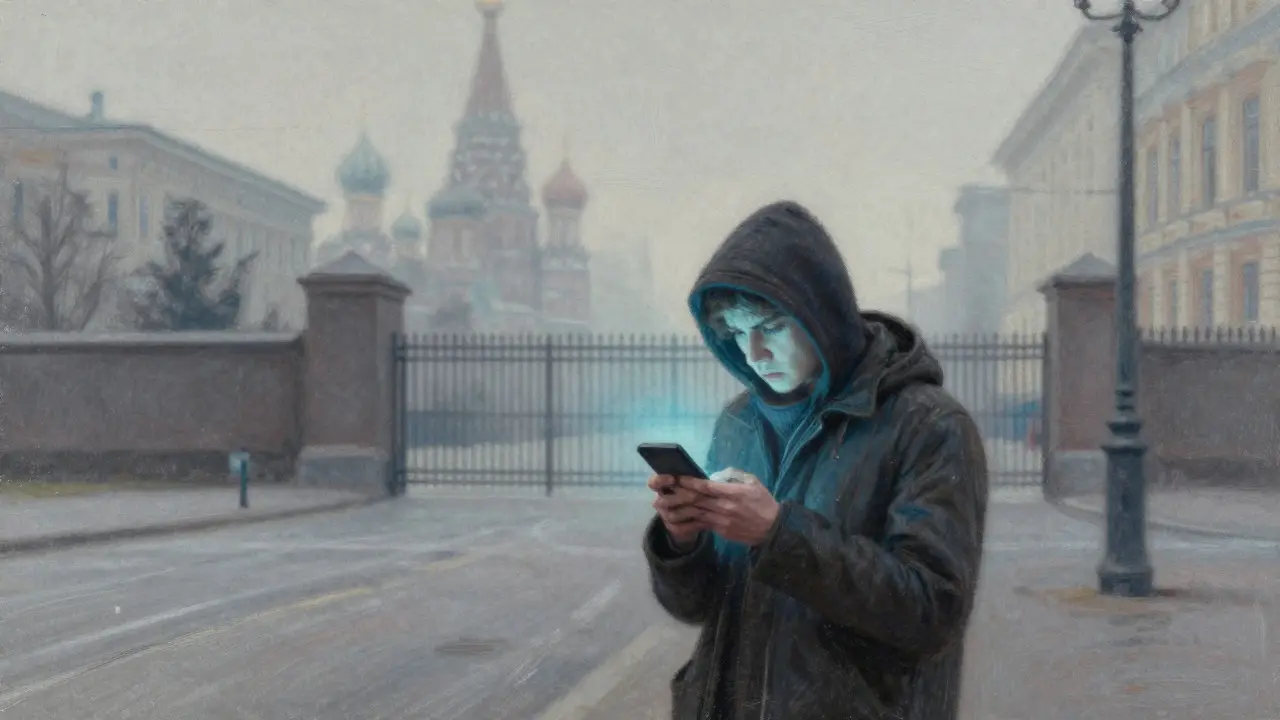
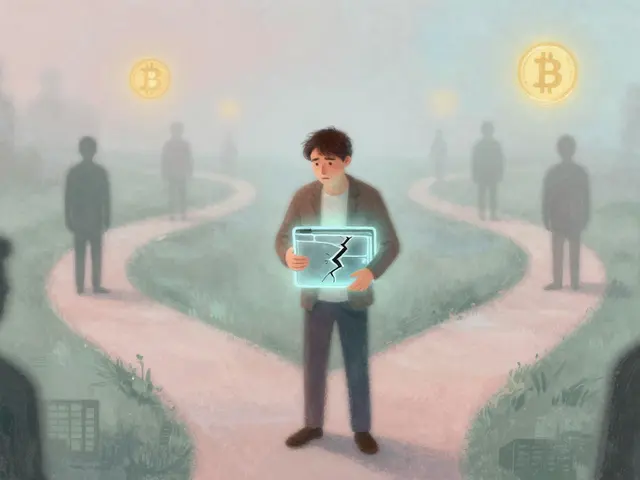
Imagine trying to buy a coffee with Bitcoin in Moscow today. You’d likely walk out of the shop with nothing but a frozen bank account and a headache. That is the reality for most Russians navigating the complex web of cryptocurrency regulations in 2026. The government has built a fortress around the ruble, locking down domestic retail trading while quietly opening backdoors for international trade. If you are living in Russia or doing business there, understanding these rules isn’t just about saving money-it’s about keeping your assets safe from sudden freezes.
The landscape has shifted dramatically since the early days of wild-west adoption. Today, it is a game of cat and mouse between the Central Bank of Russia, which wants total control over financial flows, and citizens who need alternative channels due to Western sanctions. This guide breaks down exactly what is legal, what gets you fined, and how to operate within the narrow corridors of compliance without losing your capital.
The Core Problem: Why Your Bank Account Gets Frozen
To avoid restrictions, you first need to understand why they exist. The primary goal of Russian regulators is to prevent capital flight. When you move money into crypto and then out of the country, the state loses control over that liquidity. Consequently, the Digital Financial Assets Law of 2020 remains the backbone of enforcement. It effectively bans using decentralized cryptocurrencies like Bitcoin or Ethereum for everyday payments inside Russia.
But the danger isn’t just paying for groceries; it’s how you get the crypto in the first place. Most ordinary citizens rely on Peer-to-Peer (P2P) platforms because local centralized exchanges are largely unavailable or risky. Here is where things get tricky. Banks monitor transactions closely. If you receive a large sum via the Faster Payments System (SPFS) or make unusual transfers, the system flags you. As of September 2025, new rules require banks to freeze suspicious accounts for 48 hours and limit cash withdrawals to ₽50,000 per day if fraud indicators are present.
- Unusual Timing: Withdrawing cash at odd hours or from ATMs you rarely use triggers alerts.
- QR Code Usage: Using QR codes instead of standard card taps can look like merchant activity rather than personal spending.
- Sudden Activity Spikes: A burst of phone activity or transfers shortly after a loan approval raises red flags.
- Large Transfers: Moving over ₽200,000 through SPFS often leads to immediate scrutiny.
If you hit any of these markers, your funds aren’t confiscated immediately, but they are locked. For a crypto trader relying on quick P2P settlements, a 48-hour freeze can mean missing market windows or failing to meet counterparty obligations. The key to avoiding this is consistency and low profiles.
The Only Legal Path: The Experimental Legal Regime (ELR)
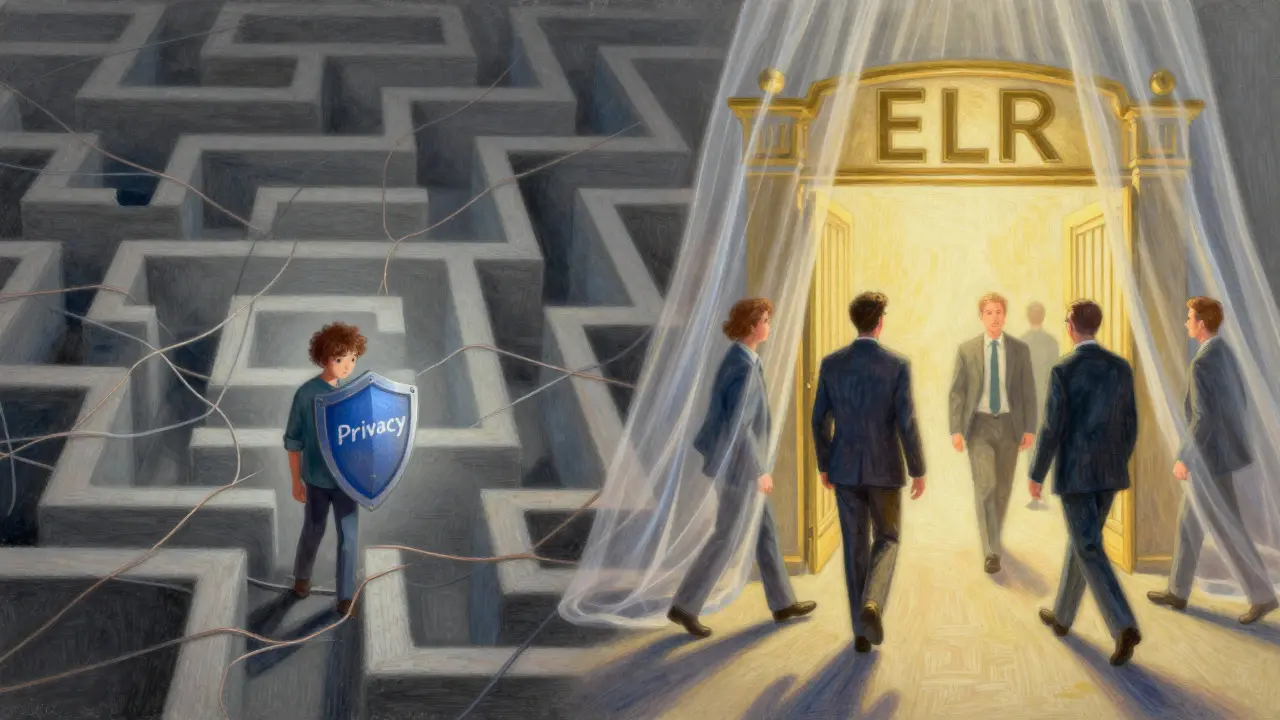
Is there a way to touch crypto legally? Yes, but it is not for the average person buying Dogecoin. The only sanctioned avenue for cryptocurrency usage in Russia is the Experimental Legal Regime (ELR). Think of this as a VIP club for big corporations and highly qualified investors. Under this framework, companies can use crypto for cross-border settlements. This was designed specifically to help Russian businesses bypass Western sanctions when dealing with partners in Asia, Africa, and Latin America.
For an individual, entering the ELR means becoming a "qualified investor." This status requires significant capital-usually millions of rubles-and proof of professional experience. If you qualify, you can trade certain crypto derivatives and access decentralized assets within special economic zones like Skolkovo. However, even here, you cannot simply pay your neighbor for services using these assets. The ELR is strictly for B2B international trade and sophisticated investment strategies.
This bifurcated system creates a strange dynamic. On one side, you have state-backed stablecoins like A7A5, a ruble-backed asset that processed $41.2 billion in volume in July 2025 alone. These are encouraged because they keep value tied to the ruble. On the other side, you have Bitcoin, which the state tolerates only if it stays in the ELR sandbox. Trying to mix these two worlds outside the regulated zone is where most people run into trouble.
Navigating the Gray Zone: Foreign Platforms and P2P Safety
Since local exchanges are scarce and the ELR is exclusive, most Russians turn to foreign platforms. This is technically a gray area. You are not explicitly banned from owning crypto, but accessing it requires circumventing banking blocks. To minimize risk, you must treat your financial footprint like a stealth operation.
First, diversify your entry points. Relying on a single bank card for all P2P trades is a recipe for disaster. If that card gets flagged, your entire liquidity dries up. Use multiple cards from different banks, preferably those known for looser compliance checks on smaller transactions. Keep transaction amounts below the radar-ideally under ₽100,000 per transfer-to avoid triggering the automatic SPFS alerts.
Second, be wary of the platform itself. Not all foreign exchanges are created equal. In March 2025, the U.S. Treasury sanctioned Garantex and its successor Grinex for processing ransomware payments. While these were targeted actions, they show that no-KYC (Know Your Customer) exchanges are under global microscope. Using a platform that lacks basic identity verification might seem safer for privacy, but it increases the risk of your funds being frozen by international pressure groups or hacked by criminals. Stick to reputable, globally recognized platforms that have clear dispute resolution mechanisms, even if they require some KYC steps.
When using P2P markets, always communicate within the app. Do not move chats to Telegram or WhatsApp until the trade is complete. Screenshots of chat logs are your only evidence if a seller disappears with your fiat money. Check the counterparty’s history thoroughly-look for high completion rates and long tenure on the platform. New accounts with zero history are prime targets for scams.
The Looming Threat: Digital Ruble and Future Bans
You cannot plan for 2026 without considering the Digital Ruble. Set to launch fully in 2026, this central bank digital currency (CBDC) represents the ultimate tool for state control. Unlike Bitcoin, which is decentralized, the digital ruble allows the Central Bank to program money. They could theoretically set expiration dates on cash, restrict where it can be spent, or track every transaction in real-time.
Why does this matter for crypto avoidance? Because the digital ruble aims to replace the need for crypto in domestic transactions entirely. If the state provides a fast, free, and controlled digital payment method, the incentive to use volatile crypto for daily needs drops. More importantly, the infrastructure for the digital ruble will likely integrate deeply with existing banking systems, making it easier to detect and block unauthorized crypto inflows.
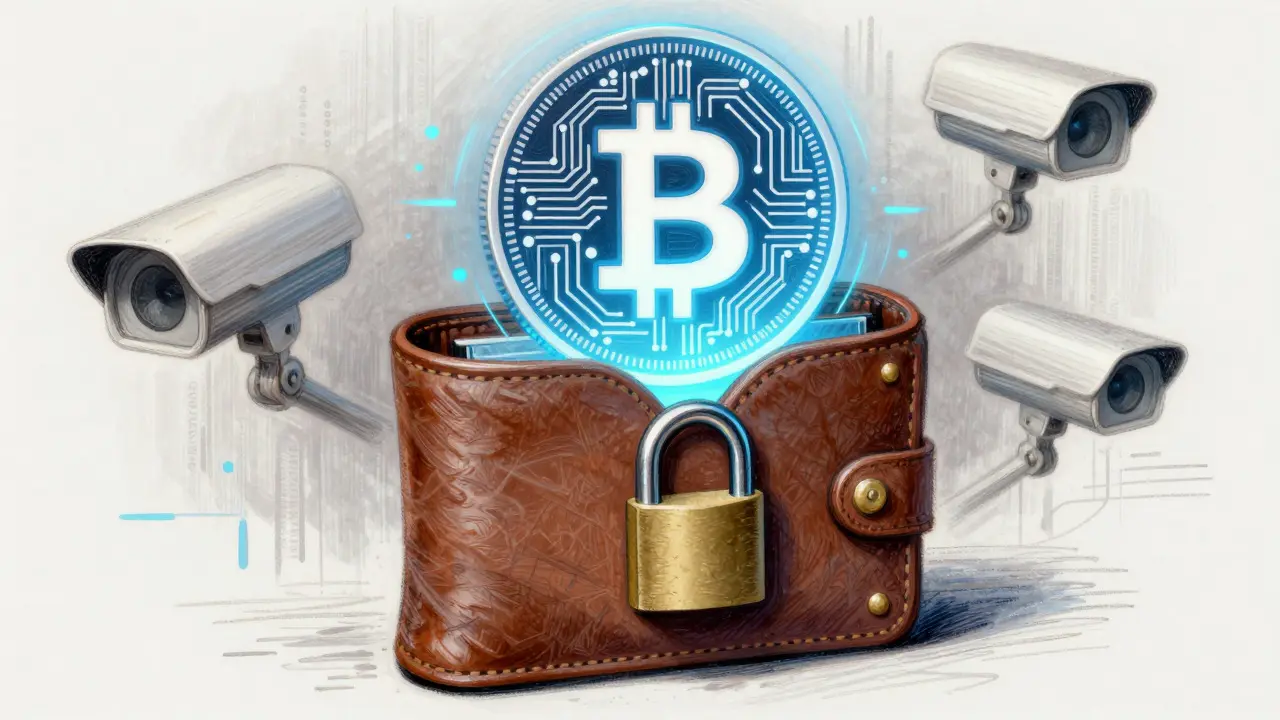
Experts predict that as the digital ruble rolls out, restrictions on traditional crypto will tighten further. The Finance Ministry has hinted at easing some rules to widen investor access, but the Central Bank remains hardline. This tension means regulations could change overnight. A strategy that works today might be illegal next month. Therefore, agility is crucial. Keep your holdings in cold storage (hardware wallets) rather than leaving them on exchanges. If the government decides to ban specific platforms, having custody of your own keys ensures you don’t lose access to your assets.
| Method | Legal Status | Risk Level | Best For |
|---|---|---|---|
| Experimental Legal Regime (ELR) | Fully Legal | Low (Regulatory) | Corporations, Qualified Investors |
| P2P Trading (Foreign Platforms) | Gray Area | Medium-High (Bank Freeze) | Retail Users, Small Traders |
| Local Mining | Licensed Only | High (Fines up to ₽200k) | Industrial Operations |
| Digital Ruble Wallets | Fully Legal | None (State Control) | Daily Payments, Savings |
Mining: The Only Clearly Regulated Activity
While trading is murky, mining is surprisingly clear-cut. Cryptocurrency mining is legal in Russia, provided you register as a taxpayer and join a licensed pool. The government actually encourages mining because it utilizes excess energy capacity in remote regions. However, this benefit comes with strict conditions. You must report your equipment and income accurately. Failure to do so results in fines up to ₽200,000 for illegal operations.
For the average person, setting up a home mine is no longer viable due to electricity costs and regulatory scrutiny. But for larger entities, mining offers a legitimate way to acquire Bitcoin without touching the volatile P2P market. If you are involved in mining, ensure your facility is registered with the relevant regional authorities. This provides a shield against arbitrary crackdowns, as the state sees miners as contributors to the energy grid rather than capital flight facilitators.
Practical Checklist for Staying Safe
Avoiding restrictions is less about finding loopholes and more about discipline. Here is a practical checklist to keep your crypto activities compliant and safe:
- Separate Your Finances: Never mix your main salary account with your crypto trading account. Use dedicated debit cards for P2P trades to isolate risk.
- Stay Under the Radar: Keep individual transactions small and consistent. Avoid sudden spikes in volume.
- Use Reputable Platforms: Stick to major global exchanges with strong security records. Avoid obscure no-KYC sites that may be sanctioned or hacked.
- Secure Your Keys: Move assets to hardware wallets after purchase. Exchanges can be frozen or hacked; private keys cannot.
- Monitor Regulatory News: Follow updates from the Central Bank of Russia and the Finance Ministry. Policy shifts happen quickly, especially around the digital ruble rollout.
- Document Everything: Keep records of all trades, communications, and tax declarations. In case of an audit, proof of legitimate intent helps resolve frozen accounts.
The Russian crypto landscape is a tightrope walk. On one side, the desire for financial freedom and global connectivity drives adoption. On the other, a powerful state apparatus seeks to maintain monetary sovereignty. Success lies in respecting the boundaries of the law while leveraging the tools available to protect your wealth. By staying informed, acting discreetly, and prioritizing security, you can navigate these restrictions without falling victim to fines or frozen assets.
Is it illegal to own Bitcoin in Russia?
No, owning Bitcoin is not explicitly illegal for individuals. However, using it for domestic payments is banned. The challenge lies in acquiring it legally, as local exchanges are restricted and P2P trading carries risks of bank account freezes if transactions appear suspicious.
What is the Experimental Legal Regime (ELR)?
The ELR is a special legal framework that allows qualified investors and companies to use cryptocurrencies for cross-border settlements and investments. It is the only fully legal pathway for crypto usage in Russia, primarily benefiting large businesses and high-net-worth individuals rather than retail traders.
Why do my bank accounts get frozen when I trade crypto?
Banks freeze accounts to prevent capital flight and money laundering. Triggers include large transfers via SPFS, unusual withdrawal patterns, frequent P2P transactions, or sudden changes in account activity. The Central Bank mandates these checks to maintain control over the ruble.
Will the Digital Ruble replace cryptocurrency?
The Digital Ruble aims to replace crypto for domestic payments by offering a state-controlled, programmable currency. While it won't eliminate Bitcoin's role as a store of value, it will likely tighten restrictions on decentralized crypto by providing a superior, compliant alternative for everyday transactions.
Can I mine Bitcoin legally in Russia?
Yes, mining is legal if you register as a taxpayer and operate within licensed pools. Unregistered mining faces fines up to ₽200,000. The government supports mining for its energy consumption benefits, provided it is transparent and taxed correctly.



the part about using multiple cards from different banks is actually pretty solid advice ive seen this work for people in moscow who just want to buy small amounts of btc without triggering the spfs alerts
also dont forget that some regional banks are way more chill than sberbank or vtbb when it comes to p2p transfers so its worth opening accounts with smaller local ones if you can
you guys are all sleepwalking into a digital panopticon the central bank isnt just watching they are programming the money itself to expire if you dont spend it fast enough which means your savings literally rot in your wallet
this is classic neoliberal surveillance capitalism on steroids where the state uses crypto not for freedom but for total behavioral modification through algorithmic control mechanisms
the elr is just a trojan horse for deeper integration of russian corporate entities into the global sanction evasion network while keeping the little people locked out of any real financial sovereignty
bitcoin was supposed to be the antidote to this kind of centralized hegemony but here we are watching it get co-opted by the very forces it was designed to dismantle
its not about compliance its about survival in an increasingly dystopian financial landscape where privacy is considered suspicious activity by default
Its obvious that the whole system is rigged against the common man and theyre using these new rules to track every single movement of wealth away from their grasp
I bet the digital ruble has backdoors built right into the code so the government can freeze your assets whenever they decide youve been thinking too loudly about freedom
They say its for security but really its just another layer of oppression designed to keep us docile and dependent on their crumbling infrastructure
Who do you trust when the entity issuing the currency can also delete it with a keystroke??
We need to go fully analog or move to jurisdictions that still value basic human rights over bureaucratic control
🤔 interesting perspective but maybe you're overthinking the conspiracy angle a bit 🧐
the reality is simpler: bureaucrats love control because it makes their jobs easier and predictable
they don't necessarily hate you they just hate uncertainty and volatility
so instead of fighting the system with paranoia try working within its cracks like the article suggests 😌
use hardware wallets stay under the radar and enjoy the peace of mind that comes with knowing your keys are yours alone 🔑✨
peace of mind is an illusion constructed by the ruling class to pacify the masses until the next crackdown
hardware wallets are useless if the exchange you bought from gets sanctioned or if your identity is leaked via metadata analysis from your internet provider
you think staying under the radar works? the algorithms are trained to detect exactly that kind of behavior patterns that deviate from the norm are flagged as anomalous regardless of volume
it's a cat and mouse game where the cat owns the board and the mouse doesn't even know it's playing
total systemic collapse is the only true reset button at this point otherwise we're just delaying the inevitable subjugation
wow okay there goes my weekend zen 🙃
maybe take a deep breath and look at the data instead of the drama?
most people are fine if they follow the basic rules of opsec and diversification
paranoia is a luxury few can afford when rent is due 📉💸
I find it fascinating how the cultural context of Russia shapes these financial behaviors in such a unique way compared to other nations facing similar sanctions
There is a certain resilience among the population that emerges from necessity rather than choice which creates a vibrant underground economy that operates parallel to the official one
This duality is not unique to Russia but the scale and technological sophistication involved here are truly remarkable given the constraints imposed by international bodies
It reminds me of historical periods where barter systems flourished during times of hyperinflation or currency instability showing humanity's adaptability in the face of economic pressure
Perhaps we should view this not just as a legal challenge but as a sociological experiment in decentralized finance adoption under authoritarian conditions
nice points nick i agree that seeing how different cultures adapt to restrictions is really educational
in india we have our own set of complex tax laws for crypto but at least we can trade openly on exchanges without fearing immediate account freezes
still the principle of keeping things simple and separate applies everywhere i think
While the sociological aspect is intriguing, let us not forget the sheer audacity required to navigate this minefield daily
One wrong move and your life savings vanish into the void of frozen accounts
The article mentions keeping transactions under 100k rubles which seems trivial until you realize that is barely enough to cover a week's groceries for a family in Moscow
How does one build wealth when every step is monitored and penalized?
This is not just adaptation; it is survival against an adversarial state apparatus that views personal financial autonomy as a threat to national stability
boring stuff honestly
just use cash and meet people in parks
why complicate it with apps and traces?
cash is dead bro
atms are being watched too
just hodl and pray
listen up peasants 🗣️
if you cant handle the risk you dont deserve the gains 💎🙌
stop whining about bank freezes and start learning proper opsec
real ones use mixers and cold storage and never link their id to anything
the rest of you are just liquidity for the smart money 📈🚀
hey keith chill out a bit 😅
not everyone has time to be a cypherpunk full time
some of us just want to save a little extra from our salary without getting stressed out
the guide is helpful for regular folks trying to do the right thing by their finances ✨
regular folks lose everything natalie 📉
wake up sheeple 🐑
oh wow what a passionate debate we have here!
i think both sides have valid points about risk tolerance
some people prefer the high risk high reward approach while others just want stability
its important to remember that everyone starts somewhere and learning takes time
let's keep the conversation respectful and helpful for those who are new to this space 🙏
i just read the checklist
seems straightforward
keep it simple
the digital ruble sounds like a straight-up nightmare scenario for anyone who values privacy
imagine having your money programmed to expire if you dont spend it on approved goods
its basically a credit score for your entire existence where the bank decides what you can buy
scary stuff indeed
i think the key takeaway here is documentation
keeping records of everything helps if you ever get audited
it shows good faith and might prevent unnecessary freezes
just something to keep in mind for long term planning