

How to Minimize Impermanent Loss in DeFi: Proven Strategies for 2026
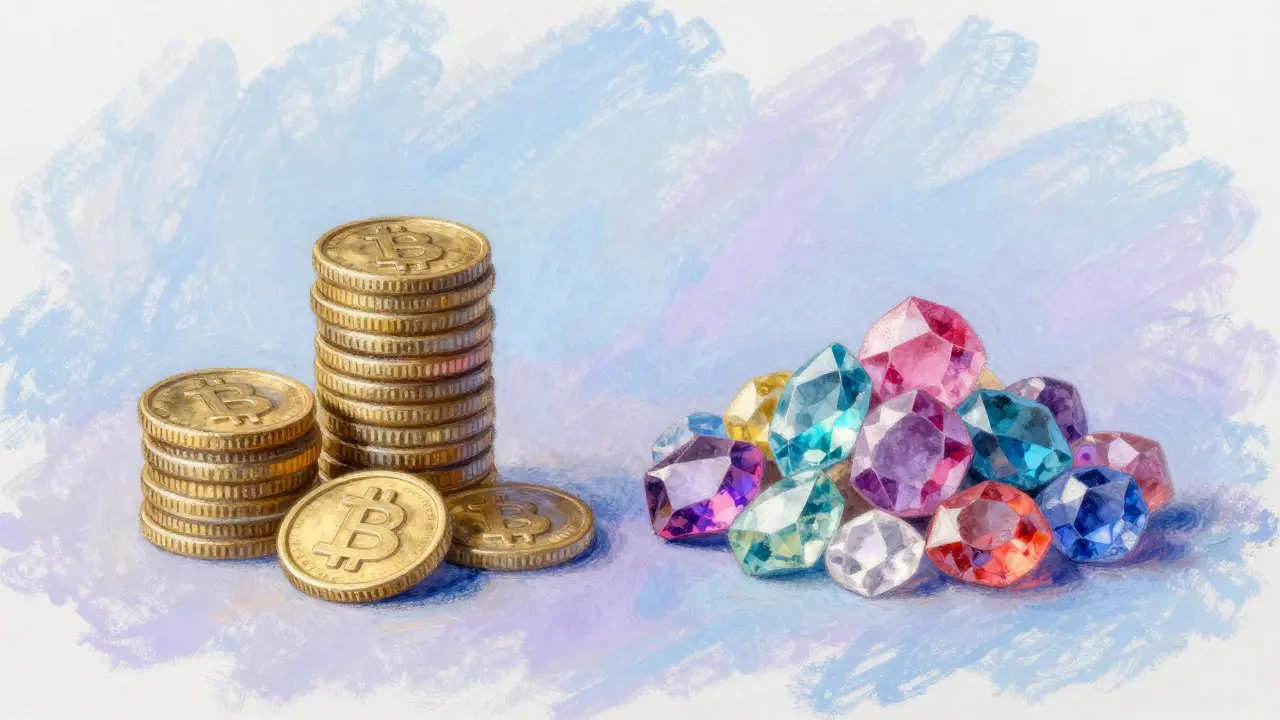
Imagine you deposit $1,000 into a savings account. A year later, you have more money than you started with. Now imagine you provide that same $1,000 as liquidity in a decentralized finance (DeFi) pool. The price of one asset skyrockets, arbitrageurs rebalance the pool, and when you withdraw, you actually have less value than if you had just held the tokens in your wallet. This is impermanent loss (IL), the silent killer of passive income strategies in crypto.
It’s not a bug; it’s a feature of how automated market makers (AMMs) work. But here’s the good news: while you can’t eliminate IL entirely, you can drastically minimize it. With the right strategies, tools, and pool selections, liquidity providers (LPs) can protect their capital and still earn healthy trading fees. In this guide, we’ll break down exactly how to do that.
Understanding the Math Behind Impermanent Loss
To beat impermanent loss, you first need to understand what causes it. At its core, IL happens because AMMs use mathematical formulas-like the constant product formula ($x \times y = k$)-to determine prices. When the price of one token in a pair changes significantly compared to the other, the pool’s composition shifts. You end up holding more of the losing asset and less of the winner.
The term "impermanent" is key. If prices revert to their original ratio before you withdraw, the loss disappears. It only becomes permanent when you exit the position during a divergence. For example, CoinTracker’s 2023 analysis shows that a 2x price movement results in roughly 5.7% IL, while a 3x movement creates a 13.4% loss compared to simply holding.
Think of it like this: if ETH goes from $1,000 to $4,000 (a 4x change), a standard 50/50 pool suffers about 40% IL relative to holding. That’s a massive drag on returns. However, if the pool generates enough trading fees, those fees can offset the loss. The goal isn’t to avoid volatility entirely-it’s to ensure your fee income exceeds the IL cost.
Strategy 1: Stick to Stablecoin Pairs
The simplest way to minimize impermanent loss is to provide liquidity for assets that don’t move much against each other. Stablecoin pairs like USDC/USDT or DAI/USDC are the gold standard for low-risk LPing. Since both assets peg to the US dollar, their price ratio stays nearly identical. Ston.fi’s 2024 analysis notes that these pools typically experience less than 0.1% IL during normal market conditions.
Why does this matter? Because stability means predictability. You won’t see wild swings in your portfolio value, and you can focus on earning consistent trading fees. While the annual percentage yields (APYs) might be lower-usually between 2% and 5%-the risk-adjusted return is often higher than volatile pairs. During the March 2023 banking crisis, for instance, stablecoin pairs saved many LPs from the 20%+ IL hits seen in volatile markets.
- Best for: Beginners and risk-averse investors looking for steady, low-volatility income.
- Key Risk: Smart contract risk and depegging events (though rare for major stablecoins).
- Actionable Tip: Use platforms like Curve Finance, which specializes in stablecoin swaps with minimal slippage and IL.
Strategy 2: Leverage Concentrated Liquidity (Uniswap v3)
If you’re comfortable with more active management, Uniswap v3’s concentrated liquidity feature is a game-changer. Unlike older versions where your capital was spread across all possible price ranges, v3 lets you allocate funds within a specific range. This increases capital efficiency by up to 4,000x, meaning you earn more fees per dollar deposited.
However, there’s a catch: if the price moves outside your chosen range, you stop earning fees and may face significant IL. To mitigate this, set narrow ranges around current prices for highly correlated pairs. For example, setting a range of 0.95-1.05 for a stablecoin pair minimizes exposure to extreme volatility. Professional LPs using active range management earned 2.3x more net returns than passive users in 2023 surveys.
| Pool Type | IL Risk | Capital Efficiency | Management Required |
|---|---|---|---|
| Stablecoin (Curve) | Very Low (<0.1%) | Medium | Low |
| Standard AMM (Uniswap v2) | High (5-40%) | Low | None |
| Concentrated (Uniswap v3) | Variable (Depends on Range) | Very High | High |

Strategy 3: Choose Correlated Asset Pairs
Not all volatile pairs are created equal. Some assets move together closely, reducing the divergence that causes IL. For example, providing liquidity for ETH/UNI or BTC/ETH often results in lower IL than unrelated pairs like ETH/SHIB. These correlated pairs tend to rise and fall in tandem, keeping the price ratio relatively stable.
Professional LPs like "APY_Hunter" document allocating 30% of their portfolio to such correlated pairs, accepting moderate IL (5-7%) in exchange for higher fee generation. The key is monitoring historical correlation data. Tools like impermanentloss.io allow you to simulate IL based on past price movements, helping you choose pairs with predictable behavior.
Strategy 4: Use Automated Management Tools
Active management is time-consuming. If you don’t want to monitor charts daily, consider using automated services like Gamma.xyz or Izumi Finance. These platforms adjust your liquidity ranges automatically based on market conditions, ensuring you stay within profitable zones. Gamma charges a small monthly fee (0.3% of position value), but for many LPs, the boost in net returns outweighs the cost.
As Ethereum’s ERC-7702 standard rolls out in 2025, expect even better automation with reduced gas fees. This will make dynamic range management accessible to retail investors, turning IL mitigation from a niche skill into a standard practice.

Strategy 5: Hedge with Options or Insurance Protocols
For advanced users, hedging impermanent loss is possible through options markets or specialized insurance protocols. Platforms like Saffron Finance and Pine offer IL protection products that pay out if losses exceed a certain threshold. While these come with premiums, they provide peace of mind during high-volatility periods.
Delphi Digital predicts that by 2026, options-based IL hedging could reach $500 million in notional value. As these markets mature, they’ll become an essential tool for institutional and sophisticated retail LPs.
Practical Checklist for Minimizing IL
- Calculate Expected IL: Use simulators like impermanentloss.io to project losses at various price points before entering a pool.
- Select Low-Volatility Pairs: Prioritize stablecoins or highly correlated assets unless you’re actively managing ranges.
- Optimize Fee Tiers: Choose 0.01% tiers for stables and 0.3%+ for volatile pairs to maximize fee income.
- Monitor Regularly: Set alerts for 5%+ price movements to react quickly to volatility spikes.
- Diversify Your Portfolio: Split allocations between low-risk (stablecoins), medium-risk (correlated pairs), and high-risk pools to balance returns and exposure.
Common Pitfalls to Avoid
One major mistake beginners make is chasing high APYs without considering IL. A pool offering 50% APY might sound attractive, but if it carries 20% IL, your net gain drops significantly. Always calculate net returns after subtracting expected IL. Another pitfall is ignoring smart contract risk. Even with perfect IL management, a buggy protocol can drain your funds. Stick to audited, reputable platforms like Uniswap, Curve, and Balancer.
Finally, don’t forget about taxes. In many jurisdictions, providing liquidity triggers taxable events. Keep detailed records of your deposits, withdrawals, and fee earnings to simplify reporting.
Is impermanent loss really permanent?
No, it’s only permanent if you withdraw while prices are diverged. If prices revert to their original ratio, the loss disappears. However, since predicting price reversals is difficult, many LPs treat IL as a real cost to factor into their strategy.
Can I completely avoid impermanent loss?
Not entirely, as it’s inherent to AMM mechanics. However, using stablecoin pairs, concentrated liquidity, and hedging tools can reduce IL to negligible levels for most practical purposes.
Which DeFi platform has the lowest impermanent loss?
Curve Finance is known for minimizing IL in stablecoin pools due to its specialized pricing curve. For volatile pairs, Uniswap v3 allows precise range control to limit exposure, though it requires active management.
How much does impermanent loss affect my returns?
It depends on volatility. A 2x price change causes ~5.7% IL, while a 4x change can lead to 40% IL. Trading fees must exceed this amount for you to profit. Always use IL calculators to estimate impacts before providing liquidity.
What is the best strategy for beginners?
Start with stablecoin pools on established platforms like Curve or Uniswap. They offer low IL risk and simpler management. Once comfortable, explore concentrated liquidity with tight ranges for slightly higher yields.



Look, everyone here is acting like impermanent loss is this scary monster under the bed that’s gonna eat your savings if you blink. It’s just math. Basic algebra. If you don’t understand why holding two assets in a pool behaves differently than holding them separately, maybe DeFi isn’t for you yet. But seriously, stop whining about it. The market doesn’t care about your feelings or your portfolio balance sheet. You put money in, prices move, rebalancing happens. End of story. People who complain about IL are usually the same people who bought the top and sold the bottom anyway. At least with LPing you get fees to offset the pain. In traditional finance, they just charge you management fees while losing money too. So really, which one is worse? I’d rather have a shot at outperforming HODLing than paying a 1% fee to a hedge fund manager who does nothing but drink scotch. Anyway, just use concentrated liquidity if you’re smart enough to manage ranges, otherwise stick to stables and shut up about the volatility. It’s not a bug, it’s a feature of efficient markets.
I feel like this guide is missing the emotional toll of watching your TVL drop 20% overnight while your neighbor buys a new Tesla. 😩 It’s not just about the math, it’s about the anxiety! My heart literally races when I check my Uniswap positions during a crash. I tried using Gamma.xyz as suggested, but even then, seeing those red numbers makes me want to pull the plug on crypto entirely. Is it really worth the stress for 5-10% APY? Sometimes I think just holding BTC in a cold wallet is better for my mental health. Does anyone else feel this way? Like, we’re trying so hard to be 'smart' investors but we’re just stressed-out gamblers with calculators. 📉💔
hey guys, just wanted to say i am from india and we have very high taxes on crypto gains so il is not even the main problem for us :( the tax man comes first lol. but yes stablecoin pairs are good. i lost some money on eth/usdc pair last year because i was lazy and did not adjust range. now i use automated tools only. hope this helps someone. :)
The entire premise of this article is flawed because it assumes rational actors in an irrational system designed by venture capitalists to extract value from retail liquidity. Impermanent loss is merely the visible symptom of the deeper rot: the centralization of governance tokens and the artificial inflation of fee revenue through bribes. While you’re busy calculating IL on Curve, the insiders are dumping their vested allocations. The 'strategies' mentioned here are band-aids on a bullet wound. Real alpha comes from understanding the tokenomics decay models and exit liquidity dynamics, not adjusting price ranges on Uniswap v3. Wake up, sheeple. The house always wins unless you own the casino.
Nick, you’re pretty intense! Let’s try to keep things positive here. The goal is to help people learn, not tear down the whole industry. I found the section on correlated pairs really helpful. It’s true that ETH/UNI moves together more often, which reduces the divergence risk. I’ve been testing this out with small amounts and it feels safer than random meme coin pools. It’s all about finding what works for your risk tolerance. No need to panic or assume everyone is being duped. We can all coexist and share tips peacefully. 🌟
Indeed! It is crucial to maintain perspective. The strategies outlined in the post are fundamentally sound, provided one exercises due diligence. One must not overlook the importance of regular monitoring; neglect is the enemy of profit. Furthermore, diversification remains the only free lunch in investing. Do not put all your eggs in one volatile basket. Stay disciplined, stay informed, and above all, stay calm amidst the chaos. Good luck to everyone navigating these turbulent waters!
oh wow, another day another de-fi guide pretending to know the future. lol. look, impermanent loss is just the universe telling you that you dont actually own the assets anymore, you own a receipt for a promise. its philosophical really. like, what is ownership in a digital void? when you lp, you become part of the machine, grinding gears for the greater good of the protocol. but sure, calculate your il to the decimal point while the rug pulls happen behind you. typical western obsession with control. let go, friends. embrace the chaos. or dont. whatever. 🙃
boring. just hodl btc.
the discourse here is superficial. il is merely a reflection of opportunity cost in a dynamic equilibrium. most users fail to grasp the underlying game theory incentives driving amm design. they focus on surface metrics like apy while ignoring the structural vulnerabilities of smart contract dependencies. it is a shallow analysis of a complex systemic issue. true understanding requires delving into the code itself, not relying on third-party dashboards that may be manipulated. think deeper.
i agree with matt kay mostly. but also curve is nice. i made a typo earlier sorry. anyway stablecoins are safe-ish. dont trust everything u read online though. do ur own research. typos r annoying but life goes on. ;)
Hey everyone! 👋 Just wanted to chime in that I’ve had great success with the concentrated liquidity strategy on Uniswap v3. It takes a bit of work to set up the ranges, but the returns are definitely worth it compared to standard pools. I mostly stick to ETH/USDC and adjust every few days. Don’t forget to take breaks and enjoy the journey! 🚀💰 #DeFiLife
Most of this is fluff. You either know what you're doing or you don't. If you're reading this guide, you're probably already behind. The pros aren't using basic simulators; they're running custom scripts. Stop looking for shortcuts. There are none. Just accept the loss or get out.
morally speaking, providing liquidity is a service to the community. if you charge fees without adding value you are a parasite. but if you stabilize the market you are a hero. il is the price of admission for this noble duty. dont cry about it. accept your fate. the blockchain remembers all sins and virtues alike. act accordingly.