
NEXT.exchange Review: Is This New Crypto Exchange Legit in 2026?

Have you stumbled upon NEXT.exchange and wondered if it’s the next big thing or just another risky platform to avoid? In the crowded world of cryptocurrency trading, new platforms pop up daily. Some revolutionize how we trade; others vanish overnight with your funds. With the date being mid-2026, trust is more valuable than ever. You need a clear, honest look at whether this platform deserves your hard-earned Bitcoin or Ethereum.
The short answer? Proceed with extreme caution. As of now, there is very little verified public data about NEXT.exchange. It lacks the transparency that established giants like Coinbase or Kraken offer. If you are considering depositing money here, you are taking on significantly higher risk than usual. Let’s break down exactly what we know, what we don’t, and how you can protect yourself.
What Exactly Is NEXT.exchange?
To understand if a platform is safe, you first need to know who built it. Most reputable exchanges publish their founding team, headquarters location, and regulatory licenses prominently on their homepage. For example, Binance lists its global compliance teams, and Kraken openly shares its US-based operations details.
When you visit NEXT.exchange, do you see these details? Often, newer or smaller exchanges operate under vague corporate structures. They might claim to be "global" without listing a specific address. This anonymity is a major red flag in the crypto industry. Without knowing the legal entity behind the site, enforcing rights becomes nearly impossible if things go wrong. Always check for an 'About Us' page that links to real LinkedIn profiles of the founders. If those profiles don’t exist or look fake, that’s your first warning sign.
Security Measures: Where Is Your Money Really Safe?
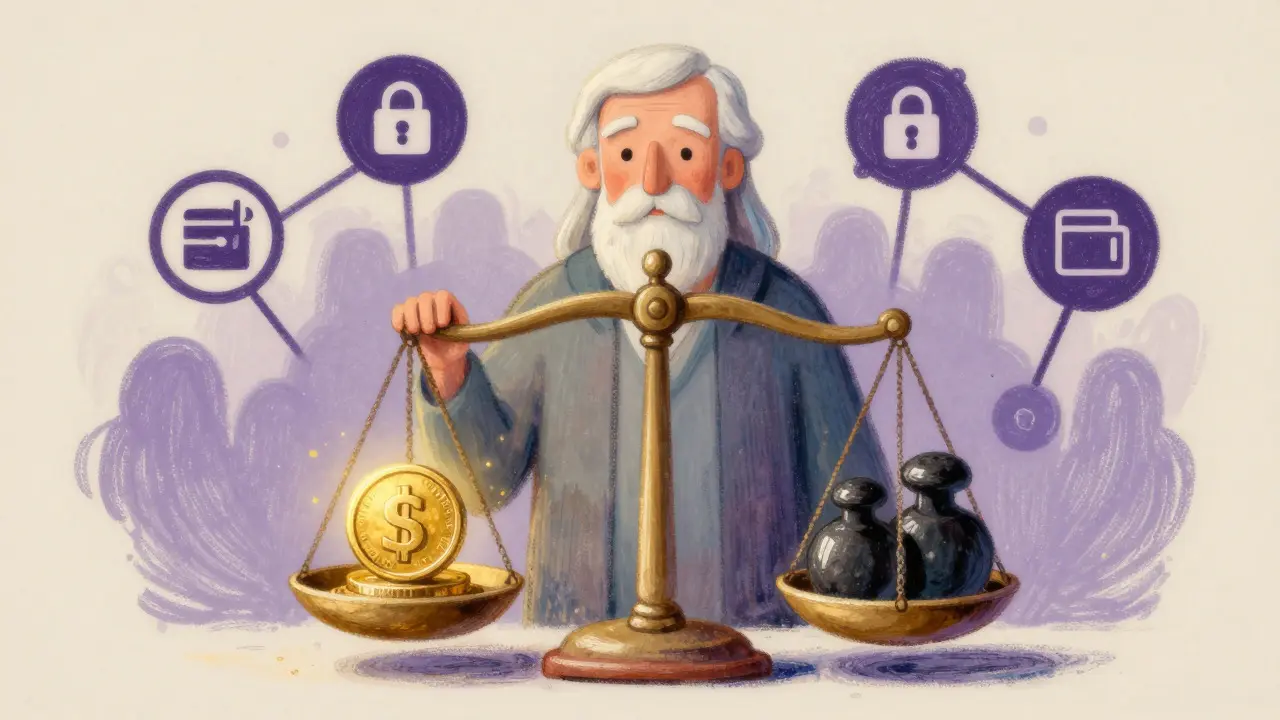
Security isn't just a buzzword; it’s the foundation of any crypto exchange. The standard for top-tier security includes cold storage (keeping most assets offline), two-factor authentication (2FA), and regular third-party audits. Platforms like Ledger and Trezor dominate hardware security, while exchanges must match that rigor on the software side.
Does NEXT.exchange offer cold storage? Do they publish proof-of-reserves reports? Proof-of-reserves is crucial. After the FTX collapse in late 2022, users became savvy. They want to see cryptographic proof that the exchange actually holds the assets they claim to have. If NEXT.exchange hasn’t released a recent, audited proof-of-reserves statement from a firm like CertiK or SlowMist, assume your funds are at risk. Also, check if they support WebAuthn or YubiKey integration for login security. Basic SMS verification is no longer enough to prevent SIM-swapping attacks.
Fees and Trading Costs: The Hidden Drain
You might find low fees attractive, but beware of hidden costs. Every exchange charges maker and taker fees. Maker fees apply when you add liquidity to the order book (limit orders), while taker fees hit when you remove liquidity (market orders). Major exchanges typically charge between 0.1% and 0.5% per trade.
If NEXT.exchange advertises "zero fees," ask yourself: how do they make money? Usually, the cost is shifted into wider spreads (the difference between buy and sell prices) or withdrawal fees. High withdrawal fees can lock your profits in. Compare their fee structure directly against competitors. Use a spreadsheet to calculate the total cost of moving $1,000 worth of ETH in and out. If the math doesn’t stack up compared to a known entity like KuCoin or Bybit, you’re likely paying more than you realize.
| Feature | Established Exchanges (e.g., Kraken) | Unknown/New Exchanges (e.g., NEXT.exchange) |
|---|---|---|
| Regulatory Licenses | Visible, verifiable (MSB, VASP) | Often missing or vague |
| Proof of Reserves | Monthly audited reports | Rarely published or unverified |
| Custody Model | Multi-sig cold storage | Unclear custody details |
| User Support | 24/7 live chat/ticket system | Email only or slow response times |

User Experience and Interface Quality
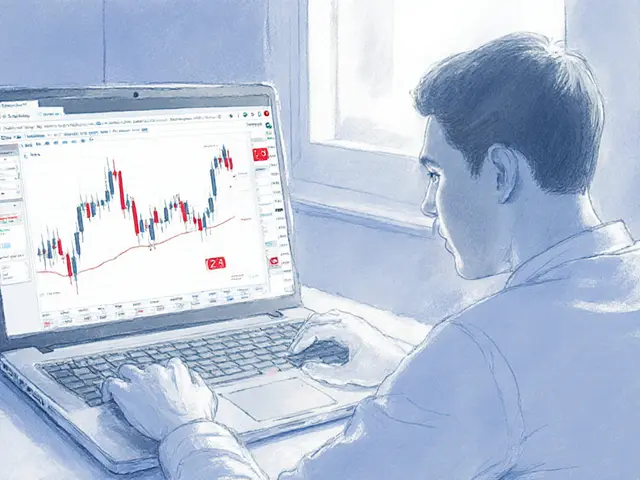
A slick interface can hide poor functionality. When you log in to NEXT.exchange, does the dashboard load quickly? Are the charts responsive? Professional platforms use libraries like TradingView for charting. If the charts lag or lack basic indicators like RSI and MACD, the tech infrastructure might be weak.
Also, test the mobile app. Many users trade on the go. Does the app crash? Is the biometric login working smoothly? A buggy app suggests rushed development. Rushed development often leads to backend vulnerabilities. Look for user reviews on Trustpilot or Reddit. Search specifically for complaints about withdrawals. If people complain that deposits are instant but withdrawals take weeks, that’s a classic trap designed to keep capital on the platform.
Liquidity and Coin Selection
Liquidity determines how easily you can buy or sell without affecting the price. On high-volume exchanges, you can move millions with minimal slippage. On thin exchanges, buying $1,000 of a small-cap coin might spike the price by 5%, costing you extra.
Check the order books on NEXT.exchange. Are there deep walls of buy and sell orders? Or is the book empty? Empty books mean you’ll suffer high slippage. Additionally, look at the coins listed. Do they offer obscure, low-market-cap tokens that pump and dump? While these can be profitable, they are also common vectors for rug pulls. Established exchanges vet projects carefully. Newer ones might list anything for a fee, exposing you to scams.
Customer Support: Can You Reach a Human?
When your account gets locked or a transaction fails, you need help immediately. Send a test message to NEXT.exchange support. How long does it take to get a reply? Is the answer automated or personalized? Good support responds within hours, not days. Poor support is a predictor of poor crisis management. If the exchange faces technical issues during high volatility, will they communicate clearly? Check their Twitter/X and Telegram channels for past announcements. Silence during market crashes is a bad sign.
Is NEXT.exchange Right for You?
So, should you use it? If you are a beginner, stick to regulated, well-known exchanges. The convenience and safety of platforms like Coinbase or Gemini outweigh the marginal benefits of trying a new, unproven site. If you are an advanced trader looking for arbitrage opportunities, you might allocate a tiny portion of your portfolio to NEXT.exchange. But never put all your eggs in one basket.
Always start small. Deposit the minimum amount required to test the withdrawal process. If the withdrawal works smoothly and arrives in your wallet, you’ve passed the biggest hurdle. If it gets stuck, you’ve lost very little. Remember, in crypto, not your keys, not your coins. Consider using a non-custodial wallet like MetaMask or Phantom for long-term storage, only moving funds to exchanges when actively trading.
Alternatives to Consider in 2026
If NEXT.exchange feels too risky, there are plenty of robust alternatives. For beginners, Coinbase offers ease of use and strong US regulation. For traders wanting lower fees and advanced tools, Kraken and Bybit are excellent choices. Decentralized exchanges (DEXs) like Uniswap or Jupiter (on Solana) allow you to trade without trusting a central entity entirely, though they come with their own risks like smart contract bugs.
Diversify your exchange usage. Keep some funds on a centralized exchange for fiat on-ramps, some on a DEX for DeFi access, and the majority in a hardware wallet. This strategy minimizes exposure to any single point of failure.
Is NEXT.exchange a scam?
There is currently no definitive evidence labeling NEXT.exchange as a outright scam, but the lack of transparent information, regulatory licenses, and user history makes it high-risk. Treat it with skepticism until more data emerges.
How do I verify if a crypto exchange is legit?
Check for three things: visible regulatory licenses (like MSB registration), published proof-of-reserves from independent auditors, and a verifiable founding team with professional online presences. Cross-reference user reviews on independent sites like Trustpilot.
What are the safest crypto exchanges in 2026?
For maximum safety, consider highly regulated entities like Coinbase, Kraken, and Gemini. These platforms have survived multiple market cycles, maintain strict compliance, and regularly audit their reserves.
Can I withdraw my money from NEXT.exchange easily?
Withdrawal reliability is unknown due to limited user feedback. Always perform a small test withdrawal before depositing significant funds. If the test withdrawal is delayed or denied, stop using the platform immediately.
Should beginners use new crypto exchanges?
Generally, no. Beginners should prioritize education and security over potential fee savings. Stick to established platforms with robust customer support and insurance funds until you fully understand how blockchain transactions and exchange mechanics work.