

Polycat Finance Review: A Niche DEX with Limited Activity

When it comes to crypto exchanges, Polycat Finance isn't a name you'll find on most top lists. Let's explore why this platform remains a niche player with minimal trading activity and limited features.
Polycat Finance is a decentralized exchange (DEX) built on the Polygon Network. Launched on May 2, 2021, it combines DEX functionality with automated yield farming. Unlike centralized exchanges, Polycat Finance lets users trade directly from their wallets without a middleman.
It operates as a hybrid yield optimizer, which means it automatically moves funds between different yield farming strategies to maximize returns. But here's the catch: this platform has barely moved the needle in the broader DeFi space.
Trading Pairs and Supported Tokens
As of late 2023, Polycat Finance lists only 5 cryptocurrencies across 15 trading pairs. That's a tiny fraction compared to major DEXs like Uniswap, which supports over 10,000 tokens. The limited selection includes stablecoins like USDC and DAI, plus major coins like WETH. But even these pairs see very little trading volume.
For example, the WETH/USDC pair might have daily trades under $10,000. This low activity makes it hard to find liquidity for larger trades. If you need to swap a significant amount of crypto, Polycat Finance simply isn't equipped to handle it.
The FISH Token: Performance and Usage
Polycat Finance's native token is FISH. It's used for governance and fee discounts within the platform. But the token's performance tells a different story. According to CoinGecko data from October 2023, FISH dropped 11.4% in a single week. This underperformance happened while the broader crypto market was relatively stable.
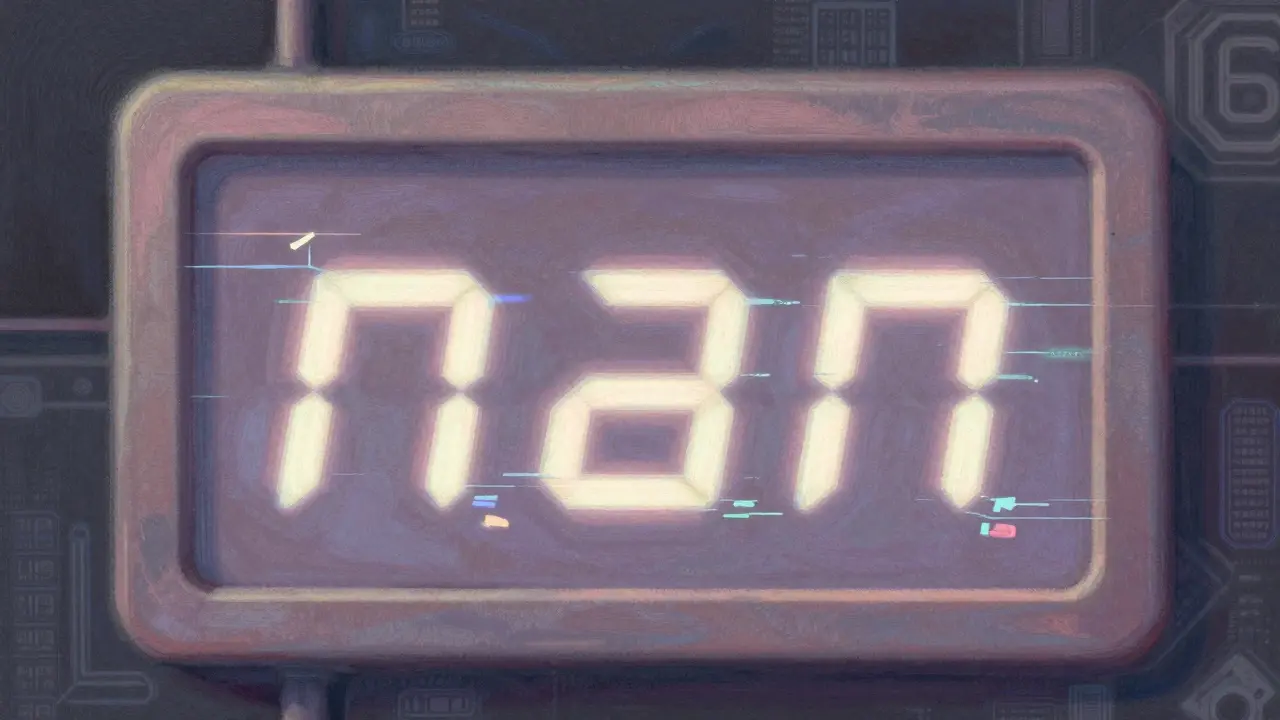
WEEX's data also showed a pricing error for FISH against Brazilian Real (BRL), listing it as "NaN BRL". This technical issue suggests problems with the platform's data integration. If you're holding FISH, you're taking on significant risk with little upside.
How Polycat Finance Compares to Other DEXs
| Feature | Polycat Finance | Uniswap | PancakeSwap |
|---|---|---|---|
| Tokens Listed | 5 | 10,000+ | 1,000+ |
| Trading Pairs | 15 | 10,000+ | 1,000+ |
| Daily Volume | Untracked | $1B+ | $500M+ |
| Gas Fees | Low (Polygon Layer 2) | High (Ethereum) | Moderate (Binance Smart Chain) |
| Security Audits | Not publicly documented | Audited by multiple firms | Audited by CertiK |
Looking at this table, Polycat Finance falls far behind the competition. Uniswap and PancakeSwap handle billions in daily volume. Polycat's volume is so low that CoinMarketCap doesn't even track it. The platform's reliance on Polygon helps keep gas fees low, but that's about the only advantage.
Real-World Limitations and Risks
Polycat Finance has no significant updates since its launch in 2021. CoinMarketCap lists it as "Untracked" due to insufficient volume data. This means there's no reliable way to measure its market impact. The platform also lacks user reviews on Trustpilot or Reddit. No active community means little support if issues arise.
For Brazilian traders, the "NaN BRL" error on WEEX shows technical problems. This isn't a minor glitch-it's a sign the platform struggles with basic data integration. Without proper audits or transparency, using Polycat Finance carries unnecessary risk.

Who Should Consider Polycat Finance?
Unless you're specifically looking for a Polygon-based DEX with yield farming, there's little reason to use Polycat Finance. Even then, better options exist. Platforms like SushiSwap or Curve Finance offer similar features with proven track records.
For most users, especially beginners, sticking to established DEXs like Uniswap or PancakeSwap makes more sense. They have higher liquidity, better security, and active communities. Polycat Finance simply doesn't offer enough value to justify the risks.
Conclusion
Polycat Finance is a niche DEX with minimal traction. Its limited token selection, low trading volume, and lack of updates make it unsuitable for most traders. While the low gas fees on Polygon are a plus, the risks outweigh the benefits. If you're exploring decentralized exchanges, focus on platforms with proven performance and community support.
Is Polycat Finance safe to use?
Polycat Finance operates as a non-custodial DEX, meaning you control your funds. However, there are no publicly available security audits for its smart contracts. Without audits, there's no guarantee against vulnerabilities. Always verify contracts before interacting and use trusted wallets like MetaMask.
What tokens can I trade on Polycat Finance?
As of late 2023, Polycat Finance lists only 5 cryptocurrencies across 15 trading pairs. These include stablecoins like USDC and DAI, plus major coins like WETH. The limited selection makes it difficult to find diverse trading opportunities.
How do I buy FISH tokens?
FISH tokens can be acquired through third-party services like PLGPAY, CHIPPAY, and ALCHEMY. However, there's no direct on-ramp within Polycat Finance itself. This limited accessibility makes it harder to obtain the token compared to major exchanges.
Why isn't Polycat Finance tracked by CoinMarketCap?
CoinMarketCap classifies Polycat Finance as an "Untracked Listing" because its trading volume is too low to meet their minimum requirements. This status indicates insufficient activity for reliable market data, placing it outside mainstream DEX rankings.
How does Polycat Finance compare to Uniswap?
Uniswap handles over $1 billion in daily volume and supports 10,000+ tokens, while Polycat Finance has 5 tokens and untracked volume. Uniswap also has multiple security audits and a large user base. Polycat lacks these fundamentals, making Uniswap a far superior choice for most users.
Are there any fees on Polycat Finance?
Transaction fees on Polycat Finance are low due to its use of Polygon's Layer 2. However, the exact fee structure isn't clearly documented. Users should expect minimal gas costs compared to Ethereum mainnet, but liquidity fees and other charges aren't transparently explained.
Should I invest in the FISH token?
The FISH token has shown significant volatility, with an 11.4% drop in one week as of October 2023. Without strong fundamentals or adoption, investing in FISH carries high risk. Most experts recommend avoiding tokens from platforms with minimal trading activity and no audits.
Is Polycat Finance centralized or decentralized?
Polycat Finance is a decentralized exchange (DEX), meaning it operates without a central authority. Users trade directly from their wallets using smart contracts. However, its minimal activity and lack of audits mean it doesn't meet the standards of most established DEXs.
Can I use Polycat Finance on mobile?
Polycat Finance doesn't have a dedicated mobile app. You can access it through a browser on your phone using a Web3 wallet like MetaMask. However, the platform's limited features and low liquidity make mobile trading impractical for most users.
What is the FISH token used for?
The FISH token serves as a governance token for Polycat Finance, allowing holders to vote on platform changes. It also provides fee discounts on trades. However, with minimal community engagement and trading activity, these benefits rarely come into play.





Polycat is a joke. 5 tokens? That's like a toy exchange. No liquidity, no future. Avoid like the plague.
this is a complete waste of time. Indian traders deserve better than this gabage. the FISH token is trash. But hey, at least we have our own projects.
While Polycat Finance has its flaws, every project starts small. Maybe it's just finding its footing. Let's support innovation, not just the big names.
Hey folks, this Polycat thing is garbage. Why use it when there's better options? Simple as that.
The tragedy of Polycat isn't just low volume-it's the missed potential. We're all just atoms in the void of DeFi, but this... this is just a hollow shell. Like a ghost town where the only sound is silence.
polycat is useless
I see what you're saying. Polycat has some issues, but maybe there's room for growth. Not sure though.
Let me tell you something about Polycat Finance. It's not just a niche DEX with limited activity-it's a complete failure of a project. The fact that it's built on Polygon doesn't save it. Uniswap and PancakeSwap are miles ahead. But here's the thing: why do people even care? The crypto market is full of projects that die quickly. This is just another one. The FISH token is worthless. The trading pairs are laughable. And the lack of audits? That's a red flag bigger than the Grand Canyon. Honestly, if you're thinking of using this, you're making a mistake. Period. End of story. No debate. It's a dead project, and we should all move on.
Polycat has its place but maybe not right now. Time will tell. Not worth getting worked up over
This post is spot on. Polycat is dead on arrival. Zero volume. No one cares. Move on.
A poorly executed project with no redeeming qualities. The FISH token is a joke. Only a fool would touch it.
While Polycat Finance does have limitations, it's important to remember that every project starts somewhere. Let's be supportive and constructive. Perhaps with more community engagement, it can improve. We should all aim to help each other grow.
The analysis presented is accurate. Polycat Finance's current state does not meet the standards of established decentralized exchanges. However, it is crucial to remain objective and consider potential future developments.
This is a total mess. No one uses Polycat. Why even mention it? It's irrelevant. Stop wasting time.
Ah, Polycat Finance-where innovation goes to die. A noble attempt, but clearly not for the faint of heart. Or for anyone with common sense, really.
This platform is an embarrassment. Indian blockchain projects are far superior. We have better options. This is why we need to support local innovation.
Polycat is a scam. The government is behind it. They want to control your assets. Don't fall for it. Stay safe.