
Hot Cross Token Airdrop Details: What You Need to Know in 2025
Jonathan Jennings
Crypto Exchange Review – Your Guide to Choosing the Right Platform
When evaluating a digital trading venue, a crypto exchange review, a systematic look at an exchange’s fees, security, liquidity and user experience. Also known as exchange evaluation, it helps traders decide which platform fits their needs.
This type of review crypto exchange review hinges on a few core attributes. First, fee structures determine how much of each trade gets eaten away – from maker‑taker spreads to withdrawal costs. Second, security measures such as two‑factor authentication, cold‑storage ratios and insurance policies protect your assets from hacks. Third, liquidity levels affect order‑execution speed and slippage. Finally, the overall user interface and customer support shape the day‑to‑day experience. Each of these factors interlinks: low fees are great, but only if the exchange also safeguards your holdings.
Take Deliondex, a newer exchange that markets ultra‑low fees and fast withdrawals as an example. Its fee schedule is among the most competitive, charging under 0.1% on spot trades, which can shave significant costs for high‑volume traders. However, its security track record is still maturing, with limited insurance coverage compared to older platforms. For users who prioritize cost above all else, Deliondex often ranks high in fee‑centric comparisons, but the trade‑off is a slightly higher risk profile.
Contrast that with VALR, a South African exchange known for robust security and solid liquidity pools. VALR charges modest fees that increase with trading volume, and it offers a full suite of security features, including mandatory 2FA and a cold‑wallet reserve that covers over 90% of user funds. Its deep order books mean large trades execute with minimal slippage, making it a favorite for professional traders who can afford a bit higher cost for stronger protection.
Understanding exchange fees, the various charges applied to deposits, trades, and withdrawals on a platform is essential. A fee‑heavy exchange can erode profits, especially on thin‑margin strategies. Conversely, a zero‑fee offering might hide hidden costs in wider spreads or withdrawal limits. By breaking down each fee component, a review reveals the true cost of trading and helps you model potential earnings over time.
Equally important is exchange security, the protocols and safeguards a platform uses to protect user assets. Look for features like mandatory two‑factor authentication, withdrawal whitelist, regular security audits, and participation in insurance funds. Exchanges that consistently publish audit results and have a transparent incident response plan tend to inspire more confidence. When a review highlights these security layers, it gives you a clearer picture of the risk you’re assuming.
By piecing together fee analysis, security assessments, liquidity data and user‑experience feedback, a thorough crypto exchange review equips you with the knowledge to match a platform to your trading style. Below you’ll find in‑depth reviews that break down these elements for a variety of exchanges, so you can quickly spot the ones that align with your priorities and start trading with confidence.

Is FLATA Exchange safe? Our 2026 review finds zero credible info, raising major red flags. Learn how to spot scams and choose trusted alternatives like Coinbase or Kraken.
Jonathan Jennings Jun 25, 2026
A detailed 2026 review of SushiSwap v3 on Base. We analyze fees, liquidity depth, security, and how it compares to Uniswap and Aerodrome for traders and yield farmers.
Jonathan Jennings Jun 23, 2026
A detailed review of SushiSwap on Arbitrum for 2026. We compare liquidity and fees on Arbitrum One vs. Nova, explain how to earn yield, and highlight key risks for DeFi traders.
Jonathan Jennings Jun 17, 2026
Polycat Finance is a niche decentralized exchange with minimal trading volume. This review details its features, token performance, and why most users should look elsewhere.
Jonathan Jennings Feb 6, 2026
Uniswap v2 on Blast offers near-zero fee swaps and native yield but supports only one trading pair. A simple, secure tool for early Blast users - not for serious traders.
Jonathan Jennings Dec 12, 2025
THDax crypto exchange is a known scam with no trading volume, deleted transparency pages, and reports of founders fleeing with users' funds. Avoid it at all costs and use regulated alternatives instead.
Jonathan Jennings Nov 7, 2025
Amaterasu Finance is a dead crypto exchange with zero trading activity since August 2025. Learn why its trust score is 2/10, why no one uses it, and what real alternatives to choose instead.
Jonathan Jennings Oct 31, 2025
A detailed review of the EUNEX crypto exchange covering fees, security, user experience, and a practical checklist for evaluating new exchanges.
Jonathan Jennings Aug 27, 2025
A detailed WOO X review covering fees, liquidity, security, trading tools, and how it compares to other exchanges for high‑volume crypto traders.
Jonathan Jennings Jul 27, 2025
A practical review of BinarySwap covering fees, security, liquidity, API reliability and whether it’s suitable for crypto traders.
Jonathan Jennings Feb 23, 2025
An in‑depth Coinviva crypto exchange review covering fees, security, licensing, user experience, and how it measures up against Binance, Coinbase and Crypto.com.
Jonathan Jennings Feb 16, 2025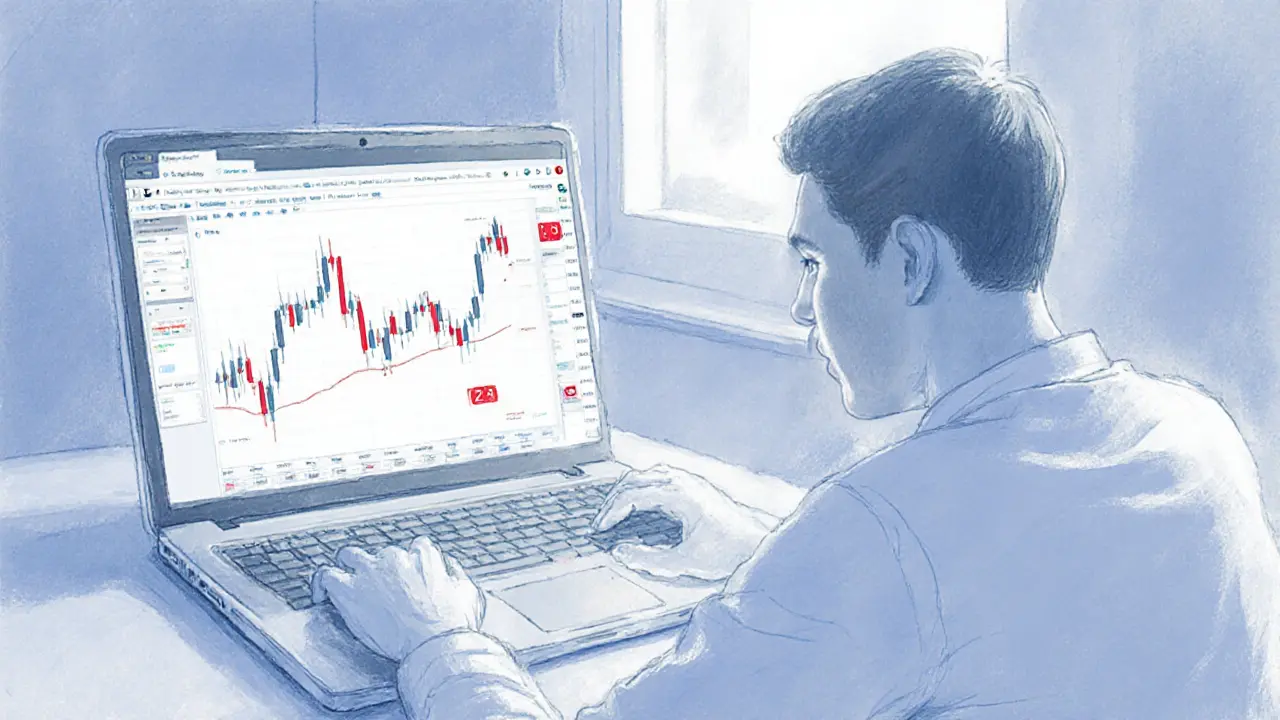
FusionX v2 holds only two assets, shows zero 30‑day trades and a 0 trust score, making it a high‑risk, low‑liquidity exchange. Find the full review, red‑flag analysis, and better alternatives.
Jonathan Jennings Jan 19, 2025
1
2