
Real Estate Transaction Speed with Blockchain: How to Cut Closing Times from Weeks to Hours

Imagine buying a home and handing over the keys less than three days after signing the offer. In the traditional world of real estate, that sounds like science fiction. Usually, you’re stuck waiting 30 to 60 days for lawyers, banks, and title companies to clear their desks. But blockchain technology is changing the game. It’s not just hype; it’s a practical tool that slashes closing times by removing the manual bottlenecks that slow down every deal. If you’ve ever wondered why buying property takes so long, the answer lies in outdated verification processes. Blockchain fixes this by automating trust.
The Old Way vs. The New Way: Why Speed Matters
Traditional real estate transactions are a nightmare of paperwork. You have title searches, mortgage processing, escrow services, and endless back-and-forth between agents and lawyers. According to industry standards, these steps create a closing window of 30 to 60 days. That’s weeks of uncertainty where deals can fall through or costs pile up. Now, look at what happens when you introduce a distributed ledger. Companies like Propy and ShelterZoom have shown that blockchain-enabled transactions can close in as little as 2 to 7 days. In some cases, it’s even faster. This isn’t just about convenience; it’s about efficiency. When you remove the need for seven to twelve intermediaries-realtors, title companies, inspectors, escrow agents-you eliminate the delays each one adds. The result? A process that moves at the speed of data, not the speed of paper.
How Smart Contracts Accelerate Closings
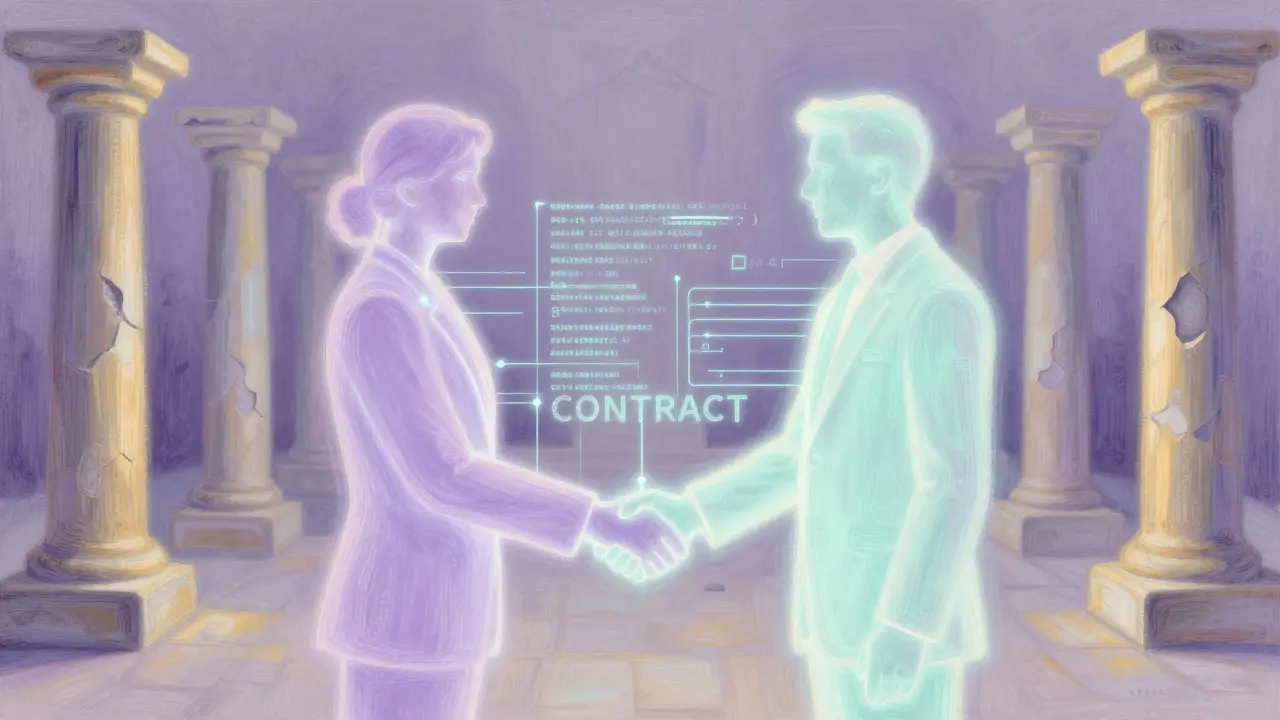
The secret sauce behind this speed is the smart contract. Think of a smart contract as a self-executing agreement coded onto the blockchain. Once the conditions are met-like verifying the buyer’s identity and confirming the seller’s ownership-the contract automatically triggers the next step. No more waiting for a lawyer to stamp a document or a bank to manually approve a wire transfer. For example, Ethereum-based systems process block confirmations in 15 to 30 seconds. Meanwhile, Bitcoin SV (BSV) can handle up to 50,000 transactions per second, allowing near-instant settlement. This technical capability means that the 12 to 15 manual verification steps in a traditional deal get compressed into just 3 or 4 automated checks. Each check that used to take 24 to 72 hours now finishes in under five minutes. It’s a massive leap forward for anyone tired of waiting on hold with a title company.
Real-World Examples: From Vermont to Sweden
Let’s look at actual numbers to see how this plays out in practice. In 2021, Propy facilitated a property sale in Vermont that closed in just 72 hours. Compare that to the state’s average closing time of 35 days. That’s an 80% reduction in time. Another strong example comes from Sweden, where the Lantmateriet land registry ran a blockchain pilot. Their report showed a 90% faster title transfer process compared to traditional methods. Even in commercial real estate, the results are striking. JLL documented a $3.5 million property sale in 2021 that settled in 96 hours. Their Head of Innovation noted that eliminating manual wire verification alone saved 11 business days. These aren’t isolated incidents; they’re proof that blockchain works when the infrastructure supports it. The key takeaway here is that speed depends on how well the local system integrates with the technology.
| Feature | Traditional Process | Blockchain Process |
|---|---|---|
| Average Closing Time | 30-60 days | 2-7 days |
| Intermediaries Involved | 7-12 parties | 2-3 verifiable steps |
| Title Search Duration | 7-10 days | <4 hours |
| Fund Verification | 3-5 banking days | <1 hour |
| Identity Verification | 3-5 days | <24 hours |
Barriers to Speed: Legal and Technical Hurdles
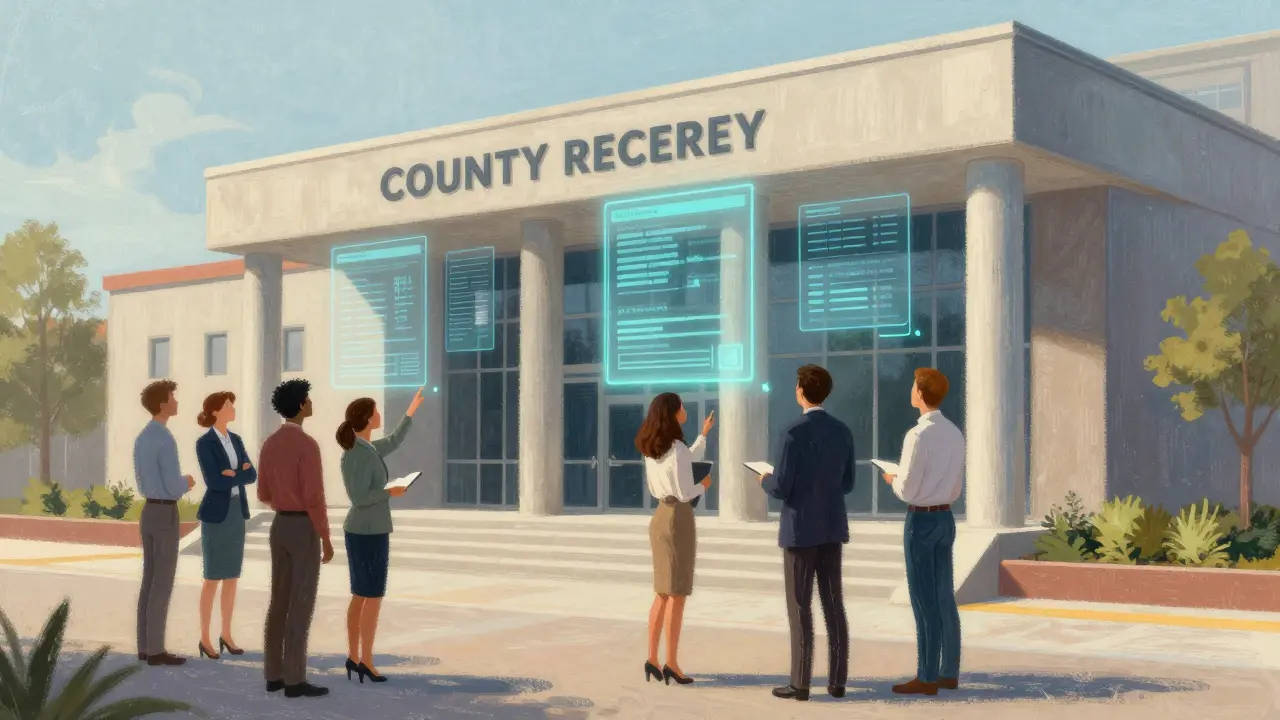
Despite the impressive stats, blockchain isn’t a magic wand yet. There are significant hurdles standing in the way of universal adoption. One major issue is jurisdictional compatibility. Not all places recognize digital signatures or blockchain records. In fact, 22 U.S. states still require wet signatures for deeds. If a county recorder’s office demands physical documents, you lose 60% to 70% of the potential time savings. I’ve seen users complain on forums about transactions getting delayed because a local office didn’t accept a blockchain-verified title. Another barrier is the learning curve. Real estate professionals need 80 to 120 hours of training to master these platforms effectively. Plus, integrating blockchain with legacy systems like MLS databases and property tax registries takes 6 to 9 months on average. Until these backend systems modernize, the front-end speed gains will remain limited to specific regions.
The Future: CBDCs and Sub-24 Hour Closings
Looking ahead, the integration of Central Bank Digital Currencies (CBDCs) could be the next big leap. The Federal Reserve’s Project Hamilton experiment demonstrated that simultaneous title transfer and payment settlement could happen in under 15 seconds. Imagine a world where you click "buy," the money transfers instantly via a CBDC, and the title updates on the blockchain in real-time. The Real Estate Standards Organization aims to standardize protocols to achieve sub-24-hour closings universally by 2026. While we’re not there yet, the trajectory is clear. As regulatory frameworks update and recording offices digitize, we’ll see closer alignment between technical capability and legal reality. For now, if you’re looking to buy or sell quickly, focus on jurisdictions that have passed blockchain-friendly legislation. Currently, 28 U.S. states have done so, making them prime candidates for faster transactions.
Practical Steps for Faster Transactions Today
If you want to experience faster closings without waiting for full global adoption, here’s what you can do. First, choose a platform that uses established blockchains like Ethereum or BSV. Second, ensure your agent and lawyer are familiar with digital identity verification systems. Third, check if your local county recorder accepts electronic signatures. If they don’t, you might want to consider properties in areas that do, like South Burlington, Vermont, which processes blockchain transactions 87% faster than paper-based ones. Finally, prepare your documents digitally from day one. Don’t wait until closing week to scan PDFs. Having everything ready reduces friction and keeps the momentum going. By taking these steps, you position yourself to benefit from the current wave of blockchain innovation in real estate.
How much faster is blockchain compared to traditional real estate closings?
Blockchain can reduce closing times from the standard 30-60 days to just 2-7 days. In optimal conditions, such as with fully integrated systems, transactions can close in under 72 hours.
What is a smart contract in real estate?
A smart contract is a self-executing agreement on a blockchain. It automatically verifies identities, confirms ownership, and transfers funds once predefined conditions are met, eliminating the need for manual intervention by lawyers or escrow agents.
Why do some blockchain transactions still face delays?
Delays often occur due to jurisdictional issues. Some states and counties still require physical documents or wet signatures, which negates the speed benefits of blockchain. Additionally, lack of integration with local property registries can cause bottlenecks.
Is blockchain real estate secure?
Yes, blockchain provides high security through immutable distributed ledgers. Once a transaction is recorded, it cannot be altered, reducing the risk of fraud and errors common in manual record-keeping.
Which platforms are leading in blockchain real estate?
Leading platforms include Propy, ShelterZoom, and Harbor. These companies have successfully deployed blockchain solutions for property title management and transaction facilitation, particularly using Ethereum and Bitcoin SV networks.
Can I use blockchain for cross-border property purchases?
Yes, blockchain is particularly effective for cross-border transactions. Traditional international deals can take 60-90 days, but blockchain can potentially reduce this to 5-10 days by streamlining currency exchange and title verification.
What role do CBDCs play in future real estate transactions?
Central Bank Digital Currencies (CBDCs) could enable simultaneous title transfer and payment settlement in under 15 seconds. This integration promises to further accelerate transaction speeds beyond current blockchain capabilities.