
Real-Name Bank Accounts for Crypto Trading in Korea: How It Works and Who Can Use It
South Korea doesn’t just regulate crypto trading - it ties every trade to your real name, your bank account, and your government ID. If you’re trying to buy Bitcoin or Ethereum in Korea, you can’t just sign up with an email and a credit card. You need a real-name bank account - and if you’re not a resident, you’re practically locked out.
Why Korea Forces You to Use Your Real Name
In January 2018, South Korea made a bold move: it banned anonymous crypto trading. No more pseudonyms. No more offshore wallets linked to fake IDs. Every trade had to connect back to a verified bank account under your legal name. The government didn’t do this to punish traders. It did it because crypto was exploding - and so were scams, money laundering, and tax evasion. At the time, over 220,000 Koreans signed a petition demanding the government act. People were losing money to shady exchanges. Some were using crypto to move cash out of the country illegally. The Financial Services Commission stepped in, not to kill crypto, but to tame it. They partnered with banks to create a system where your crypto wallet and your bank account are locked together. Today, if you want to deposit Korean Won (KRW) into a crypto exchange, the money must come from - and go back to - a bank account in your exact legal name. No exceptions. No workarounds. If your name on the exchange doesn’t match your bank, the transfer gets blocked.How the System Actually Works
It’s not just about having a bank account. You need to use the right bank - and the right exchange. South Korea only allows crypto exchanges to partner with specific banks. As of April 2025, only five exchanges have been approved for real-name bank integration:- Korbit - linked to Shinhan Bank
- Upbit - linked to K-Bank
- Bithumb - linked to Kookmin Bank
- Coinone - linked to Kakao Bank
- Bybit Korea - linked to Woori Bank (recently added)
Who Can Use It? (Spoiler: Most Foreigners Can’t)
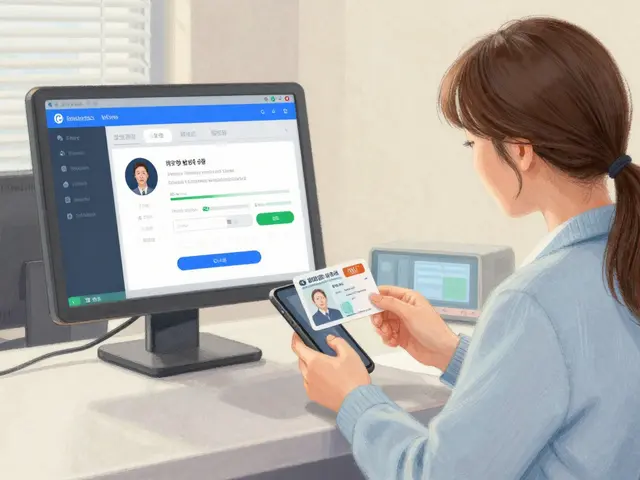
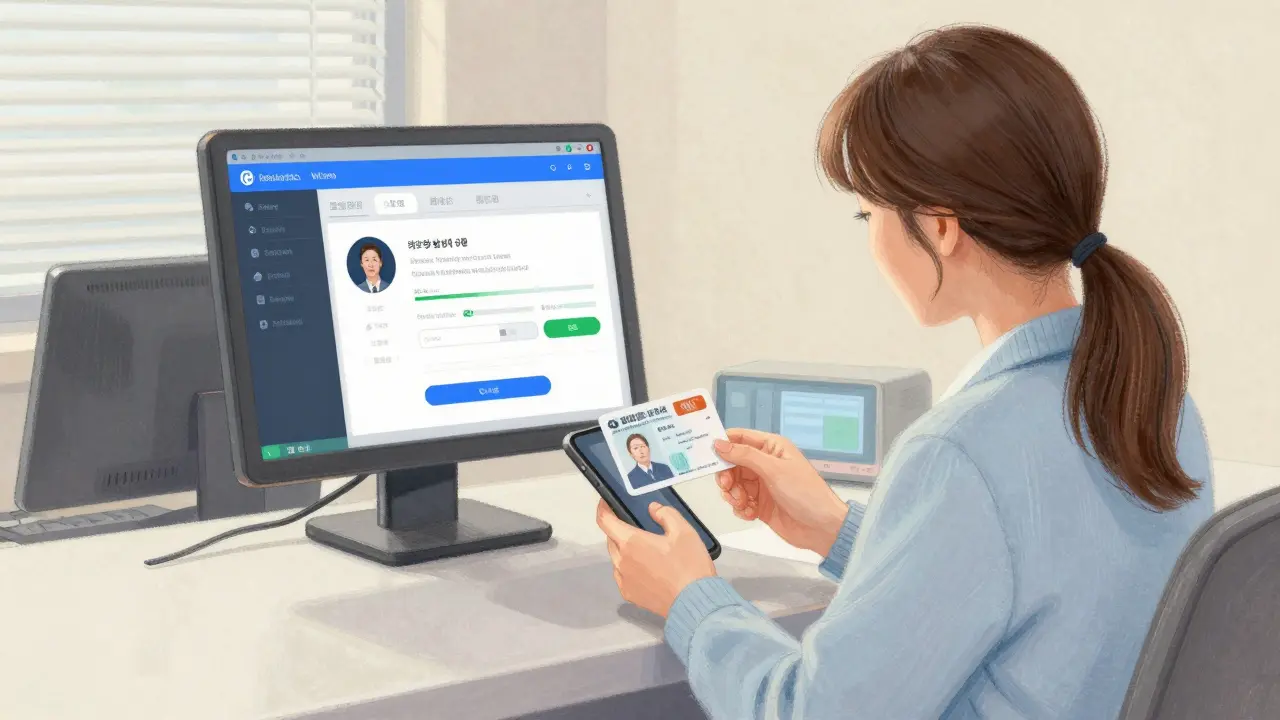
If you’re a South Korean citizen, the process is straightforward - if a little invasive. You need:- A valid Korean ID card or resident registration number
- A Korean mobile number
- A real-name bank account at one of the approved banks
- International exchanges like Binance or Coinbase can’t offer KRW deposits
- You can’t use your US or Australian bank to fund a Korean crypto account
- Credit cards from outside Korea don’t work

Why This System Is So Strict - And Why It Matters
South Korea isn’t just being difficult. It’s trying to build a safe crypto market. Before 2018, the country had dozens of unregulated exchanges. Some disappeared overnight with people’s money. Others were used for laundering cash from North Korea or illegal gambling. After the real-name system launched, the number of active exchanges dropped from over 100 to just 28 registered VASPs (Virtual Asset Service Providers). Only five have real bank access. The result? Fewer scams. More trust. Higher trading volumes. By 2025, over 12 million South Koreans - nearly a quarter of the population - are using crypto. That’s more than the entire population of Australia. And because of the real-name system, most of those trades are traceable, taxable, and transparent. The government is even preparing for the next step: taxing crypto profits. Starting in 2027, individuals will pay up to 24.2% tax on gains from crypto trading. Corporations will pay the same rate on profits. This isn’t punishment - it’s integration. Crypto is no longer a fringe market. It’s part of the financial system.What This Means for Global Crypto
South Korea’s system is one of the strictest in the world. But it’s also one of the most effective. Compare it to the U.S., where you can trade crypto with just an email and a debit card. Or to Singapore, where foreigners can open accounts easily. Korea says: “If you want to trade here, you play by our rules.” That’s why institutional investors are starting to take notice. Hedge funds and asset managers who want clean, auditable markets are drawn to Korea. They know the data is real. The identities are verified. The taxes are tracked. But for everyday global traders? Korea is a wall. Not a gateway. If you’re a foreign investor, you can’t just hop on Upbit and start trading. You’d need to move to Korea, open a bank account, get a phone number, and wait weeks for approval. Most won’t bother.
What’s Next? Taxation and More Control
The real-name system is just the beginning. In 2027, the government will start taxing crypto gains. That means:- Every trade you make leaves a digital trail
- The tax office will get access to your exchange records
- You’ll need to report profits - or risk penalties
Final Reality Check
If you’re a South Korean citizen, the real-name system is a minor hassle - but it gives you access to one of the world’s most liquid crypto markets. You can trade Bitcoin, Ethereum, and even Korean tokens like Klaytn with confidence. If you’re not a resident? Don’t waste your time trying to bypass the system. There’s no legal shortcut. No VPN trick. No “friend’s account” loophole. The banks and exchanges are too tightly connected. South Korea didn’t build this system to be welcoming. It built it to be secure. And for now, that means only those who live here can play. The rest of the world watches. Some copy. Most can’t match it.Can I use a Korean crypto exchange if I’m not a resident?
No. To deposit or withdraw Korean Won (KRW), you must have a real-name bank account in South Korea. This requires permanent residency, an Alien Registration Card, and a Korean mobile number. Foreigners without these cannot legally fund accounts on Korean exchanges like Upbit or Bithumb.
Which banks can I use for crypto trading in Korea?
You can only use five banks that partner with approved exchanges: Shinhan Bank (Korbit), K-Bank (Upbit), Kookmin Bank (Bithumb), Kakao Bank (Coinone), and Woori Bank (Bybit Korea). You must use the bank linked to your chosen exchange - transfers between mismatched banks are blocked.
Do I need to pay taxes on crypto in Korea?
Yes. Starting in 2027, individuals in South Korea will be taxed on crypto trading profits at rates up to 24.2%. The government will get direct access to exchange records to track gains. This applies to all residents with real-name accounts.
Why can’t I use my international bank to fund a Korean exchange?
Korean law requires all crypto deposits to come from verified real-name bank accounts within South Korea. International banks aren’t connected to the country’s financial monitoring system. Even if you send money from your Australian account, the exchange will reject it because it can’t verify the source.
Is the real-name system effective at preventing fraud?
Yes. Since its launch in 2018, the number of unregulated exchanges has dropped from over 100 to just 28 registered ones. Scams and money laundering cases tied to crypto have fallen sharply. The system forces transparency - every trade links back to a real person with a government ID and bank record.
Can I open a Korean bank account as a tourist?
No. Korean banks require either permanent residency or a long-term visa (like F-5 or F-6) to open a real-name account. Tourist visas (e.g., C-3) are not accepted. You also need an Alien Registration Card and a local Korean phone number - both impossible to get without proper residency status.