
What Is Green Blockchain Technology and Why It Matters
Jonathan Jennings
Blockchain Identity: What It Is and Why It Matters in Crypto
When you think about blockchain identity, a system where users own and control their digital identity on a decentralized network. It's not just another buzzword—it's what makes KYC in cryptocurrency, the process exchanges use to verify your real-world identity to meet legal rules either feel invasive or actually secure. Unlike traditional systems where banks or exchanges hold your ID documents, blockchain identity lets you prove who you are without handing over your passport or utility bill.
This shift matters because of what’s happening on the ground. In South Korea, Upbit KYC violations, over half a million failed identity checks at the country’s biggest exchange exposed how broken centralized verification can be. Meanwhile, in Tunisia, a total crypto ban was partly driven by fears that anonymous digital identities could bypass financial oversight. But blockchain identity isn’t about hiding—it’s about giving you the power to share only what’s necessary. Want to trade on an exchange? You can prove you’re over 18 without showing your full name or address. Applying for a loan in DeFi? You can verify your credit history without letting a third party store your personal data forever.
It’s also why fake airdrops keep popping up. Scammers know most people still trust centralized platforms to handle identity, so they create fake sites that ask for your wallet seed phrase under the guise of "verifying eligibility." But real blockchain identity tools don’t ask for your private keys—they use cryptographic proofs. That’s why projects like Phala Network and Wicrypt, despite their flaws, were trying to build identity layers tied to real behavior, not just wallet addresses. And when OFAC adds wallets to its sanctions list, it’s not just tracking coins—it’s linking real-world actors to on-chain actions through identity patterns.
Running a node? That’s a form of blockchain identity too—you’re proving you’re part of the network by verifying transactions independently. It’s not about fame or profit. It’s about being a trusted participant. The same logic applies to digital identity: the more you control it, the less you need to rely on exchanges that get hacked, regulators that freeze accounts, or platforms that vanish overnight.
Below, you’ll find real-world cases where blockchain identity either saved users from scams, exposed exchange failures, or forced governments to rethink their rules. No theory. No fluff. Just what happened, who got hurt, and how the system is slowly changing.
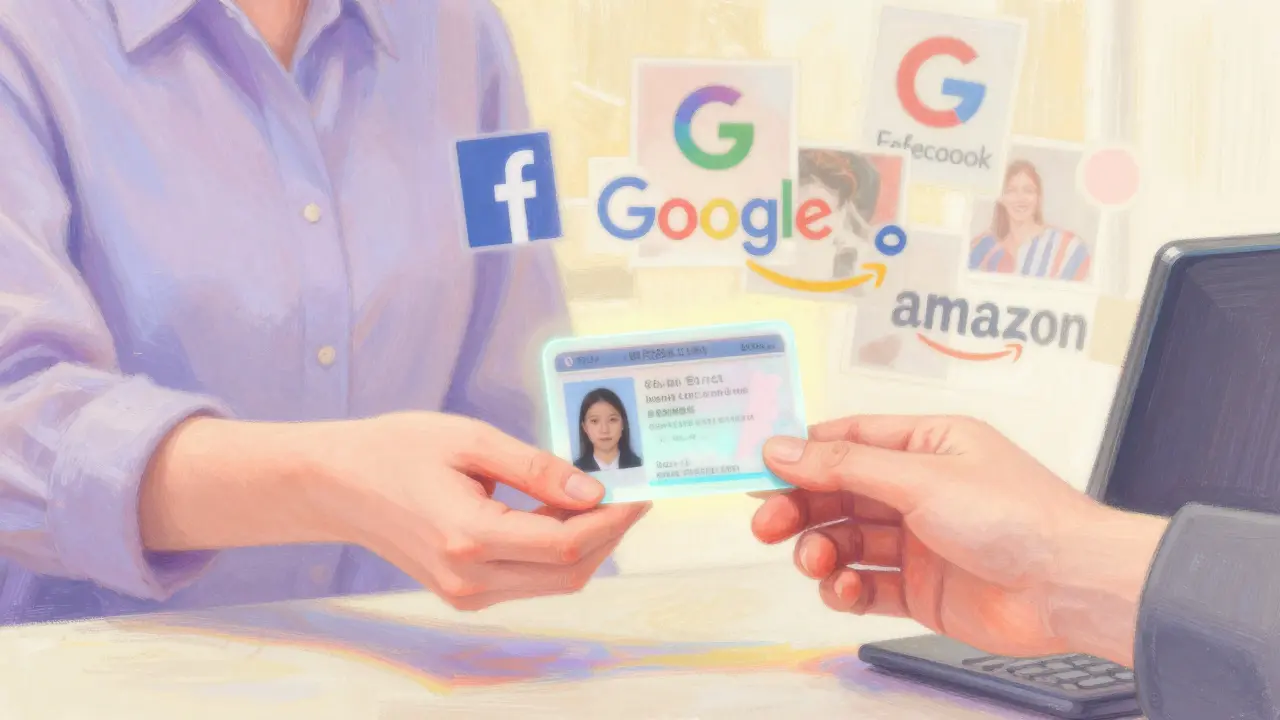
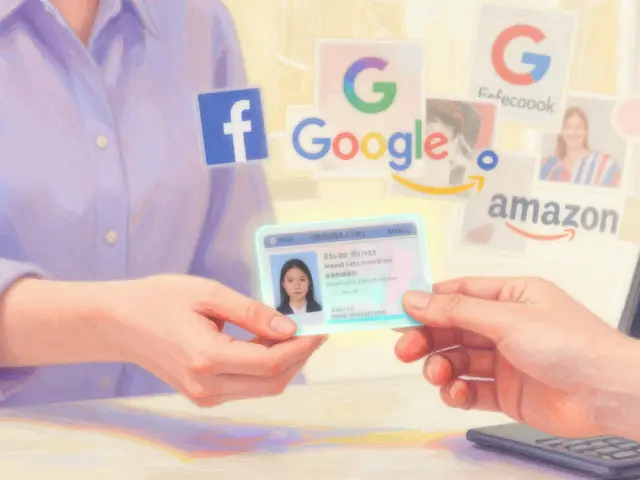
Self-sovereign identity on blockchain lets you own your digital identity instead of letting companies like Google or Facebook control it. Learn how DIDs, verifiable credentials, and blockchain work together to give you real privacy and control.
Jonathan Jennings Dec 16, 2025
Digital identity NFTs are blockchain-based credentials that let you own and control your online identity. No more passwords, no more repeated KYC. Learn how they work, where they're used, and why they're changing the internet.
Jonathan Jennings Dec 2, 2025