
VLX (Velas) GRAND Airdrop: What You Need to Know in 2026
Jonathan Jennings
Blockchain Luxury Goods: How NFTs and Digital Ownership Are Redefining High-End Fashion
When you buy a blockchain luxury goods, physical high-end items like handbags, watches, or jewelry that come with a verifiable digital certificate on a blockchain. Also known as NFT-backed luxury, it’s not just about owning something expensive—it’s about proving you own the real thing, forever. Brands like Gucci, Louis Vuitton, and Rolex are testing this. They’re not replacing the physical item. They’re adding a digital twin that can’t be copied, forged, or lost.
This isn’t science fiction. Every time you buy a luxury item with a blockchain certificate, you get a unique token that links directly to the product’s history: where it was made, who owned it before, and if it’s been repaired or altered. That’s NFT fashion, clothing and accessories tied to non-fungible tokens that verify authenticity and ownership. It’s the same idea behind digital ownership, the ability to prove you control a digital asset without relying on a company or middleman. You don’t just own the bag—you own the proof. And that proof moves with you, even if the brand goes out of business.
Why does this matter? Because fake luxury goods cost the industry over $50 billion a year. Buyers are tired of being scammed. Sellers are tired of losing trust. Blockchain fixes that. It doesn’t stop counterfeits from being made—but it makes it impossible to pass them off as real. And that’s a game-changer. You can resell your NFT-linked watch and prove its full history to a stranger in Tokyo, Paris, or Lagos. No receipts. No doubt.
But it’s not just about authenticity. It’s about access. Some brands now let you unlock exclusive content, events, or even physical repairs just by holding the NFT. Your digital token becomes a key. That’s why luxury NFTs, digital assets tied to physical luxury items that grant rights or privileges beyond ownership are growing faster than people realize. They’re not just collectibles. They’re membership cards to a new kind of exclusivity.
And here’s the quiet truth: most people still think blockchain luxury is just about JPEGs. It’s not. The real value is in the backend—the unbreakable chain of custody, the tamper-proof records, the way your purchase becomes part of a transparent, global ledger. You’re not buying a logo. You’re buying a verified history.
Below, you’ll find real guides on how NFTs are used in fashion, how to spot fake luxury NFTs, and which brands are actually doing this right. No hype. No fluff. Just what works—and what’s a scam.
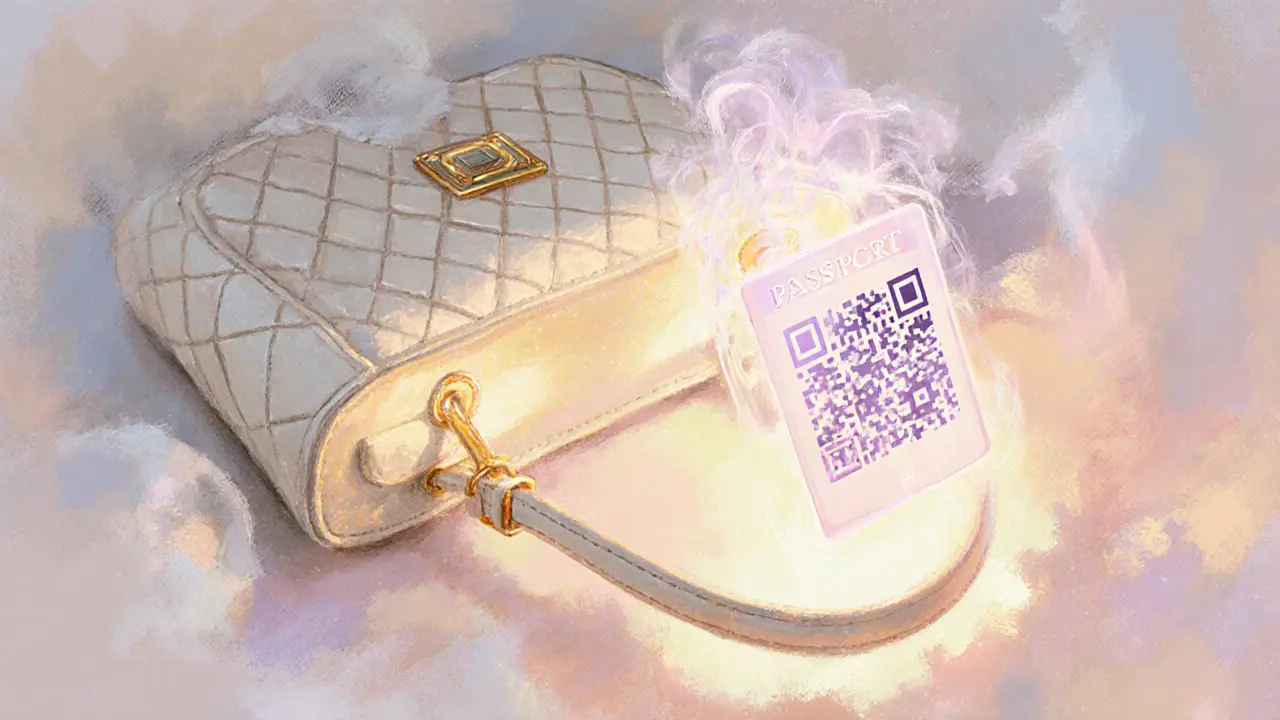
NFTs are transforming luxury goods authentication by creating tamper-proof digital passports for handbags, watches, and jewelry. Brands like Louis Vuitton and Cartier now use blockchain to prove authenticity, fight counterfeiting, and boost resale value.
Jonathan Jennings Nov 22, 2025