DVI Airdrop by Dvision Network: How to Claim 75 DVI Tokens and What You Need to Know
Jonathan Jennings
Buy NFTs: How to Get Started, Avoid Scams, and Find Real Value
When you buy NFTs, non-fungible tokens are unique digital assets stored on a blockchain that prove ownership of something like art, music, or virtual land. Also known as blockchain-backed digital collectibles, they’re not just pixels—they’re verified proof you own a specific item, not a copy. Unlike cryptocurrencies like Bitcoin, each NFT is one-of-a-kind. That’s why someone might pay $10,000 for a digital punk avatar while ignoring 10,000 others that look almost identical.
But NFT marketplaces, platforms where NFTs are bought and sold, like OpenSea or Blur, act as digital storefronts with varying levels of trust. Also known as NFT exchanges, they don’t guarantee value—just transaction records. Many people lose money because they buy from fake sellers, inflated projects, or scams pretending to be official drops. Look at the NFT authentication, the use of blockchain to verify authenticity of physical goods like luxury watches or handbags. Also known as digital passports for luxury items, this real-world use case shows NFTs can have lasting value when tied to tangible assets. Louis Vuitton and Cartier use NFTs to stop counterfeits—not to sell JPEGs. That’s the difference between a useful tool and a gambling chip.
And then there are the NFT scams, fraudulent projects that promise free tokens, celebrity endorsements, or fake airdrops to steal your crypto. Also known as NFT rug pulls, they’re everywhere—like the fake KubeCoin or WifeDoge campaigns that trick users into connecting wallets and draining funds. If it sounds too good to be true, it is. No legitimate project will ask you to send ETH to claim a free NFT. Real NFTs are bought on verified platforms, not Discord DMs.
When you buy NFTs, you’re not just purchasing art—you’re deciding if the underlying blockchain, the seller’s reputation, and the project’s purpose are worth your money. Some NFTs are digital bragging rights. Others are keys to real-world perks. Most? Just noise. The posts below cut through the hype. You’ll find reviews of actual NFT use cases, warnings about fake drops, and real examples of how brands use blockchain to protect value—not just sell memes.
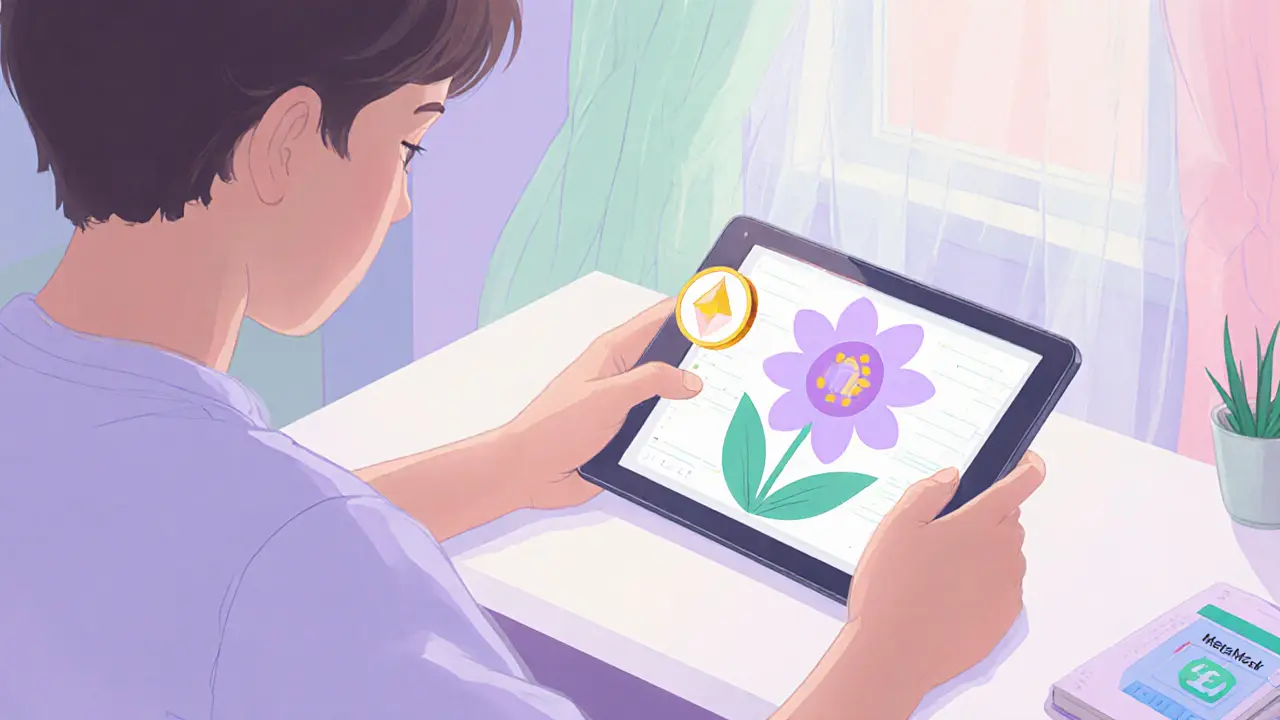
Learn how to buy and sell NFTs in 2025 with a clear, step-by-step guide. Avoid scams, understand fees, and use OpenSea and MetaMask like a pro.
Jonathan Jennings Nov 24, 2025