
Everything You Need to Know About ETHPad's GRAND Airdrop (2025)
Jonathan Jennings
Crypto Trading in Turkey: What You Need to Know in 2025
When it comes to crypto trading Turkey, the practice of buying, selling, and holding digital assets within Turkey’s unique financial environment. Also known as Turkish cryptocurrency trading, it’s grown rapidly because of high inflation, currency instability, and limited traditional investment options. Unlike in many countries, Turkish traders don’t rely on big exchanges like Binance or Coinbase as much—they use peer-to-peer (P2P) platforms, local apps, and Telegram groups to swap USD, EUR, or TRY for Bitcoin and Ethereum. This isn’t just a trend—it’s a survival strategy for millions.
The Turkish crypto exchange, local platforms that let users trade digital assets directly with other Turks using Turkish Lira. Also known as TRY crypto platforms, it’s a key part of the ecosystem. Services like Paribu, BtcTurk, and Koineks dominate the market because they support instant bank transfers and have local customer support. But regulation is shaky: Turkey doesn’t ban crypto, but it doesn’t regulate it either. That means no investor protection, no tax clarity, and no official oversight. You’re on your own. That’s why so many users turn to crypto regulation Turkey, the unclear legal framework governing digital asset use in the country. Also known as Turkish crypto laws, it’s a gray zone where the central bank warns against crypto but doesn’t stop people from using it. The result? A thriving underground market where traders treat Bitcoin like cash and avoid KYC whenever possible. Meanwhile, Bitcoin Turkey, the most widely held cryptocurrency among Turkish citizens. Also known as BTC in Turkey, it’s not just a speculative asset—it’s a store of value. Many Turks buy Bitcoin weekly to protect savings from the lira’s 50%+ annual depreciation. You’ll find people trading BTC on street corners, in cafes, and through WhatsApp groups.
What you’ll find in this collection isn’t just theory. These are real reviews of platforms Turkish traders actually use—or avoid. You’ll see why exchanges like BCEX Korea and THDax are scams, why TRIV and Biteeu are risky even if they claim to be regulated, and why platforms with zero trading volume like Amaterasu Finance are dead ends. You’ll also learn how to spot fake airdrops, understand KYC traps, and avoid the OFAC sanctions that can freeze your wallet overnight. This isn’t about hype. It’s about what works, what’s dangerous, and what’s completely fake in Turkey’s wild crypto landscape. If you’re trading crypto in Turkey, you need this information—today, not tomorrow.
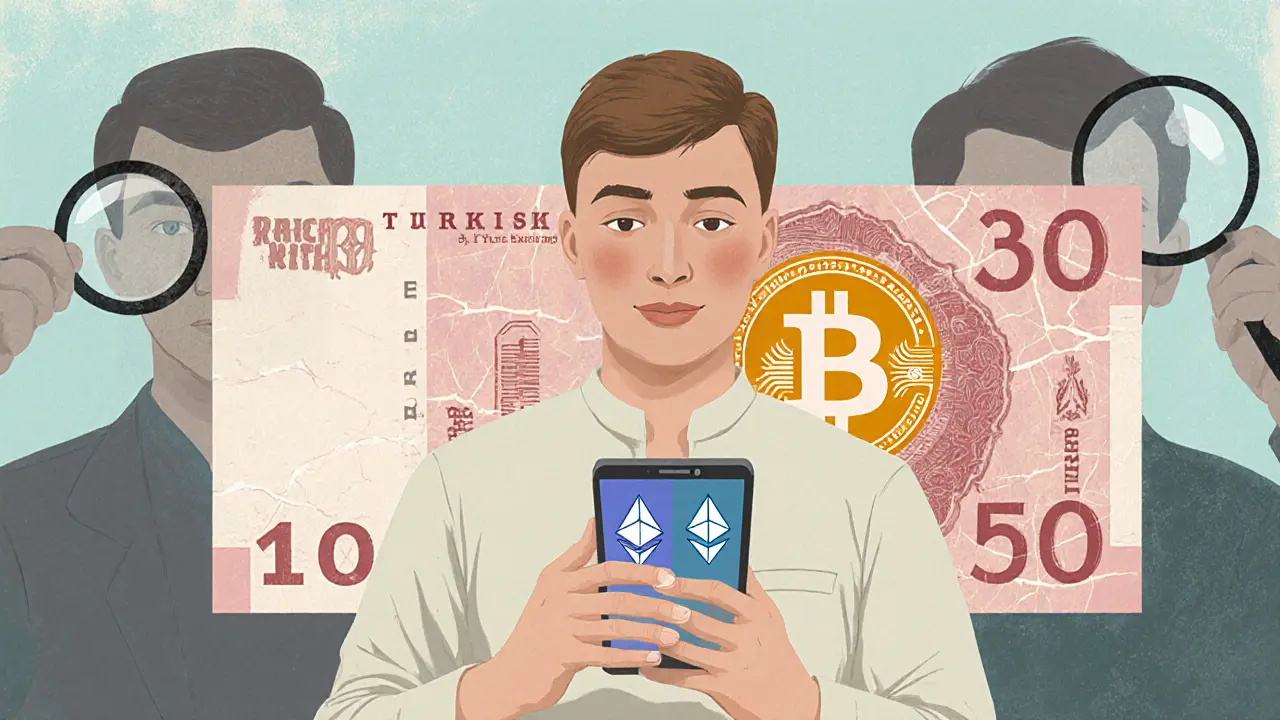
Turkey allows crypto trading but bans payments with digital assets. New 2025 rules require heavy licensing, mandatory KYC, and give authorities power to freeze accounts. Learn how this affects traders and the future of crypto in Turkey.
Jonathan Jennings Nov 19, 2025