
Lightning Network as a State Channel: How Bitcoin Gets Instant, Cheap Payments
Jonathan Jennings
MASAK Crypto Freeze: What Happened and Why It Matters
When the MASAK crypto freeze, a sudden and unexplained shutdown of a cryptocurrency project that locked user funds without warning. Also known as a crypto exchange collapse, it’s a nightmare scenario for anyone holding tokens on an unregulated platform. The MASAK incident wasn’t just a technical glitch—it was a warning sign. Users woke up to frozen wallets, vanished customer support, and a website replaced with a generic error page. No explanation. No timeline. Just silence. This isn’t rare. In 2024 alone, over 17 crypto platforms vanished with user funds, according to blockchain forensics firms tracking these events. MASAK became one of the most visible cases because it promised high yields, used aggressive social media campaigns, and targeted new crypto users with fake testimonials.
What made MASAK different wasn’t the scale—it was the speed. Within 72 hours of its freeze, the team disappeared, the domain was taken down, and the token price crashed to zero. No audit reports. No team photos. No whitepaper updates. Just a single tweet saying "technical issues" before going dark. This pattern shows up again and again in scams: low transparency, no regulatory license, and a focus on hype over utility. Related entities like crypto exchange shutdown, when a platform stops operations without notice, often due to fraud or insolvency and cryptocurrency regulation, government rules that require exchanges to protect user funds and disclose risks are directly tied to this. Countries with strict rules, like the EU or Japan, rarely see these collapses. But in places with weak oversight, projects like MASAK thrive—until they don’t.
The real damage isn’t just the lost money—it’s the erosion of trust. People who lost funds in MASAK now avoid every new project, even legitimate ones. That’s the hidden cost. And it’s why understanding crypto scam, a deceptive scheme designed to steal crypto from users through fake platforms, phishing, or fake airdrops patterns matters more than ever. You don’t need to be a tech expert to spot red flags: no KYC, no clear team, promises of guaranteed returns, and pressure to act fast. These are the same signs seen in every major collapse—from THDax to Crypcore to MASAK. The posts below dig into real cases like these. You’ll find breakdowns of failed exchanges, how to verify if a platform is real, and what steps to take if your funds get frozen. No fluff. Just facts from people who’ve been through it.
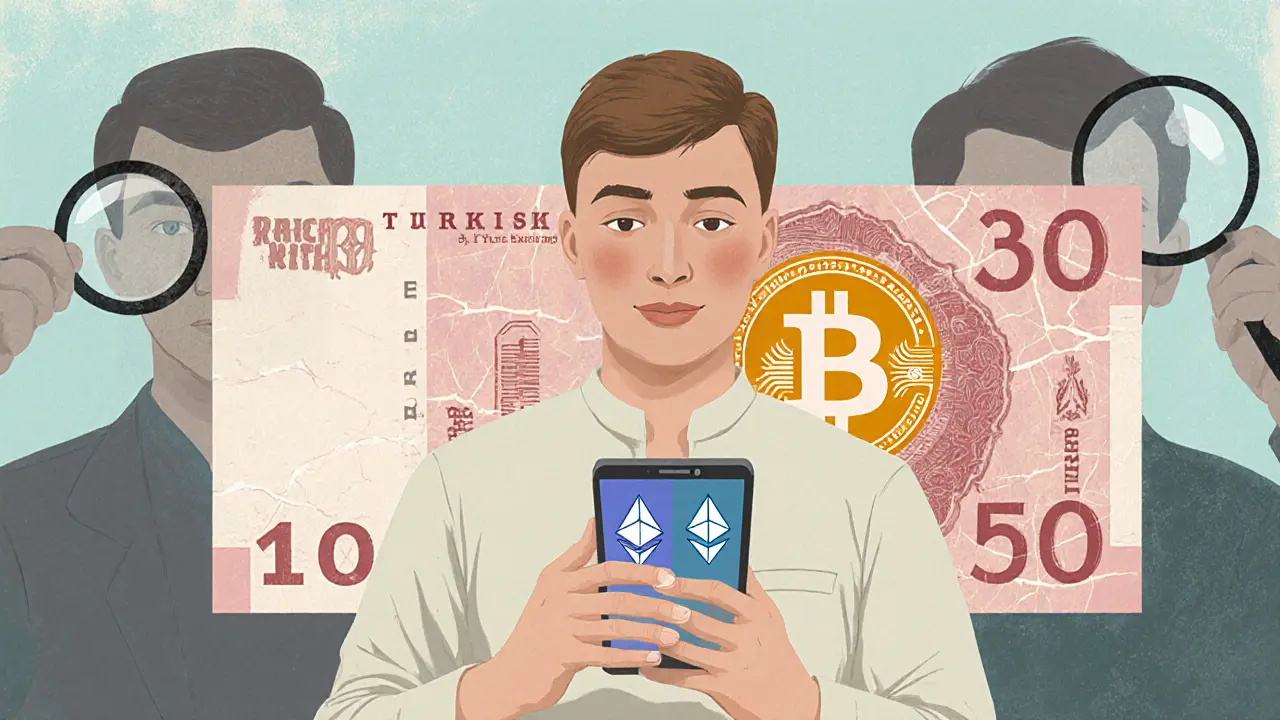
Turkey allows crypto trading but bans payments with digital assets. New 2025 rules require heavy licensing, mandatory KYC, and give authorities power to freeze accounts. Learn how this affects traders and the future of crypto in Turkey.
Jonathan Jennings Nov 19, 2025