Bangladesh's Foreign Exchange Act and Its Impact on Cryptocurrency
Jonathan Jennings
OpenSea: The Biggest NFT Marketplace and What You Need to Know
When you think of buying or selling an NFT, OpenSea, the largest decentralized marketplace for non-fungible tokens on Ethereum and other blockchains. Also known as the go-to NFT platform, it's where most people first interact with digital art, collectibles, and virtual land. Launched in 2017, OpenSea didn’t invent NFTs—but it made them easy for anyone to use. You don’t need to code. You don’t need to understand smart contracts. You just upload your file, set a price, and wait for a buyer. That simplicity is why it handles over 80% of all NFT trading volume.
But OpenSea isn’t just a store. It’s an ecosystem. It connects creators with collectors, wallets with marketplaces, and Ethereum with Polygon, Solana, and other chains. It supports everything from pixel art to 3D models, music files to virtual real estate. And while it doesn’t own the assets, it owns the traffic. That’s why even big brands like Nike and Adidas launched their NFTs here first. But here’s the catch: because OpenSea is open to anyone, it’s also flooded with scams, copycats, and dead projects. You’ll find real masterpieces next to junk that’s worth zero. The platform doesn’t verify creators, so you’re on your own to check authenticity.
That’s where knowing what to look for matters. If you’re buying, always check the contract address, the seller’s history, and whether the collection has real activity. If you’re selling, understand gas fees, royalty settings, and how listings expire. OpenSea’s interface looks simple, but behind it are layers of settings that can cost you money if you miss them. And while it’s free to list items, you’ll pay when you sell—sometimes over 2.5% in fees, plus network costs.
OpenSea’s dominance doesn’t mean it’s perfect. It’s slow on mobile. Its search is messy. Customer support is nearly nonexistent. But for now, it’s still the only place where you can trade over 500 million NFTs across thousands of collections. Even competitors like Blur and LooksRare can’t match its user base. If you’re in NFTs, you’ll use OpenSea. The question isn’t whether—you’re already here.
Below, you’ll find real breakdowns of NFT trends, scams to avoid, how to spot fake collections, and why some NFTs hold value while others vanish overnight. These aren’t guesses. They’re based on actual trading data, user reports, and platform behavior. Whether you’re holding a Bored Ape or just curious about digital ownership, what follows will help you move smarter on OpenSea.
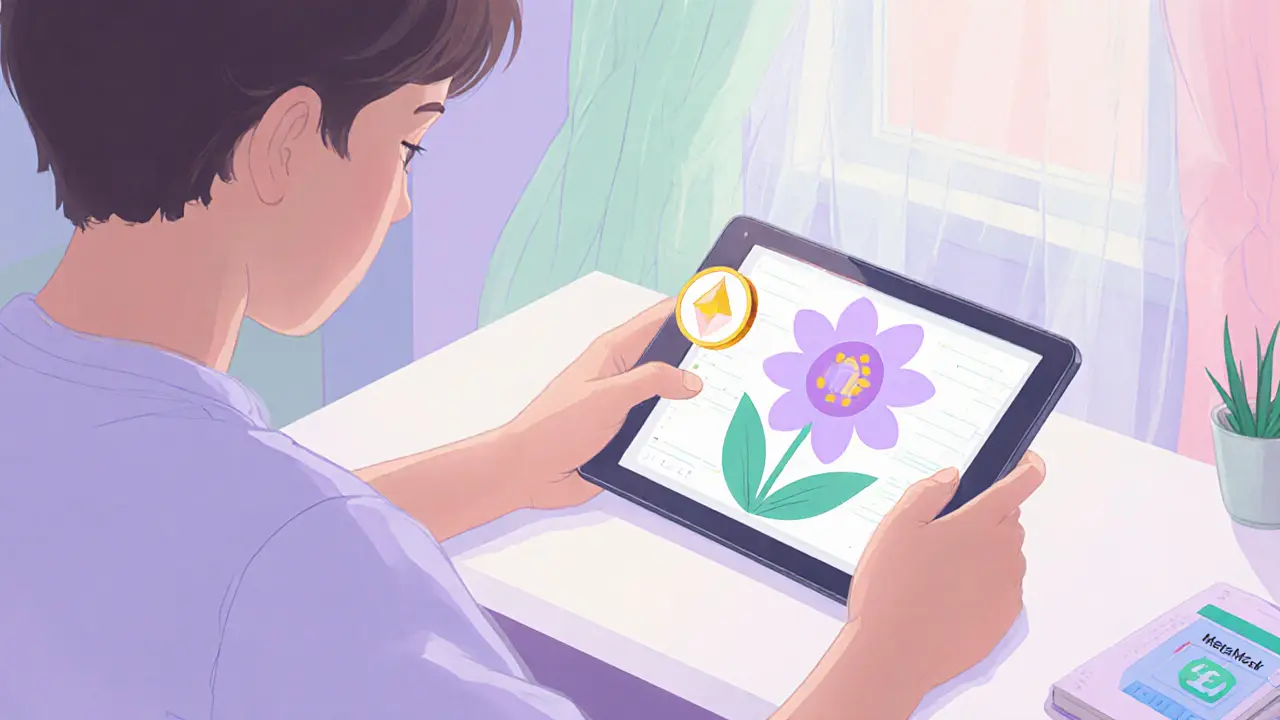
Learn how to buy and sell NFTs in 2025 with a clear, step-by-step guide. Avoid scams, understand fees, and use OpenSea and MetaMask like a pro.
Jonathan Jennings Nov 24, 2025