What is Dogecoin (DOGE)? The Complete Guide to the Meme Coin That Changed Crypto
Jonathan Jennings
Soulbound Tokens: What They Are and Why They Matter in Web3
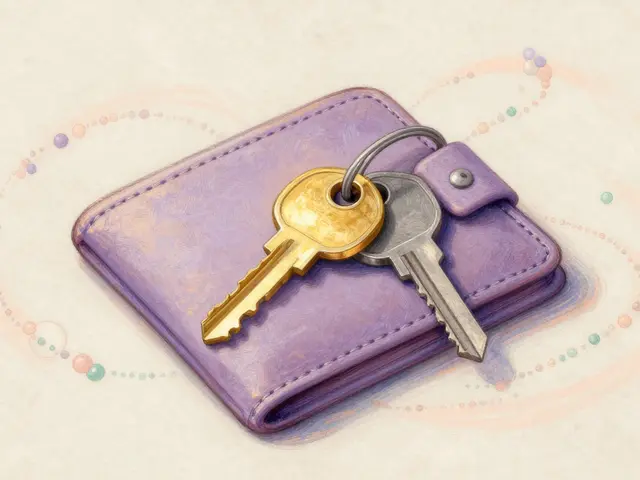
When you think of NFTs, you probably imagine digital art or profile pictures you can buy and sell. But soulbound tokens, non-transferable digital credentials tied permanently to a wallet. Also known as SBTs, they’re not meant to be traded—they’re meant to prove who you are, what you’ve done, and where you’ve been on the blockchain. Unlike regular NFTs, soulbound tokens can’t be sold, sent, or stolen. They stick to your wallet like a tattoo—permanent, personal, and verifiable.
These tokens are changing how Web3 handles identity. Instead of relying on KYC forms or centralized profiles, your wallet can carry proof of your education, memberships, contributions to DAOs, or even your reputation in gaming communities. Think of them as digital diplomas, badges, or membership cards that live on-chain. Projects like Gitcoin and ENS are already testing SBTs to reward contributors without giving them tokens to flip. This isn’t just about ownership—it’s about trust. If your wallet holds a soulbound token from a trusted DAO, others know you’ve earned it. No middleman needed.
Soulbound tokens also solve a real problem: fake identities. In a world where sybil attacks and bot accounts flood DeFi and airdrops, SBTs make it harder to game the system. If you’ve earned a token through real participation, not just creating 50 wallets, you’re more likely to be a genuine contributor. That’s why platforms like Polygon and Ethereum are exploring SBTs as part of their next-gen identity layers. They’re not replacing wallets—they’re adding depth to them.
What you’ll find in this collection aren’t theoretical essays. These are real reviews, breakdowns, and warnings about platforms and projects trying to use soulbound tokens—or pretending to. You’ll see how some airdrops misuse the idea, how exchanges fake reputation systems, and why a token that can’t be sold might be the most valuable one you ever hold.

Digital identity NFTs are blockchain-based credentials that let you own and control your online identity. No more passwords, no more repeated KYC. Learn how they work, where they're used, and why they're changing the internet.
Jonathan Jennings Dec 2, 2025