Uniswap v4 on Avalanche: The Best Decentralized Exchange for Low-Cost Crypto Swaps
Jonathan Jennings
THDax Scam: What Happened and How to Avoid Similar Crypto Fraud
When you hear about THDax, a fake cryptocurrency exchange that disappeared after collecting user deposits, you’re not just hearing about one bad platform—you’re seeing a blueprint for how crypto scams operate. THDax promised high returns, slick interfaces, and fast withdrawals. But behind the branding was nothing: no real team, no audit, no liquidity. Just a website that vanished overnight, leaving users with empty wallets and no way to recover their crypto. This isn’t rare. It’s the same pattern you’ll see in Amaterasu Finance, a dead exchange with zero trading activity since August 2025, or VyFinance, a platform with zero reviews and no licensing. These aren’t accidents. They’re calculated moves by bad actors who know how to exploit trust in decentralized finance.
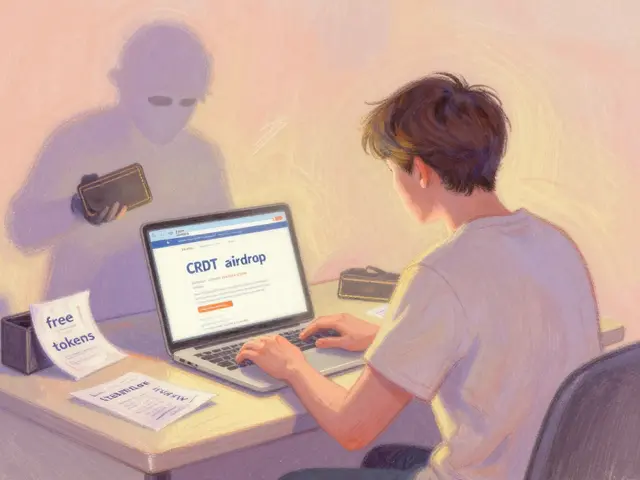
What makes THDax different from a simple rug pull? It targeted beginners with fake customer support, fake YouTube testimonials, and fake regulatory badges. It mimicked real exchanges like Binance or KuCoin, but with a slightly altered domain name. People thought they were signing up for a new, low-fee platform. Instead, they handed over private keys or deposited funds into a wallet controlled by the scammers. Once the money flowed in, the site went dark. No updates. No emails. No replies. This is the same trick used in PEPE TRUMP, a honeypot token designed to trap buyers with fake liquidity and Dot Finance (PINK), a token that crashed after its creators drained the liquidity pool. The red flags are always there: no transparent team, no real code audit, no community presence beyond paid promoters. If a project can’t show you who’s behind it, it’s not worth your crypto.
THDax didn’t just steal money. It eroded trust in legitimate DeFi tools like dApps, decentralized applications that run on blockchain networks without central servers. When users get burned, they start avoiding all new platforms—even the safe ones. That’s why knowing how to spot a scam matters. Look for verified team members, public GitHub activity, and third-party audits from firms like CertiK or Hacken. Check if the exchange is listed on reputable aggregators like CoinGecko or CoinMarketCap. And never, ever send funds to a wallet address you don’t fully control. The next THDax is already being built. But this time, you’ll know how to walk away before you click "Connect Wallet".
Below, you’ll find real case studies of failed exchanges, broken airdrops, and hidden honeypots—each one a lesson in what not to do. These aren’t just stories. They’re warning signs you can use to protect your next move in crypto.
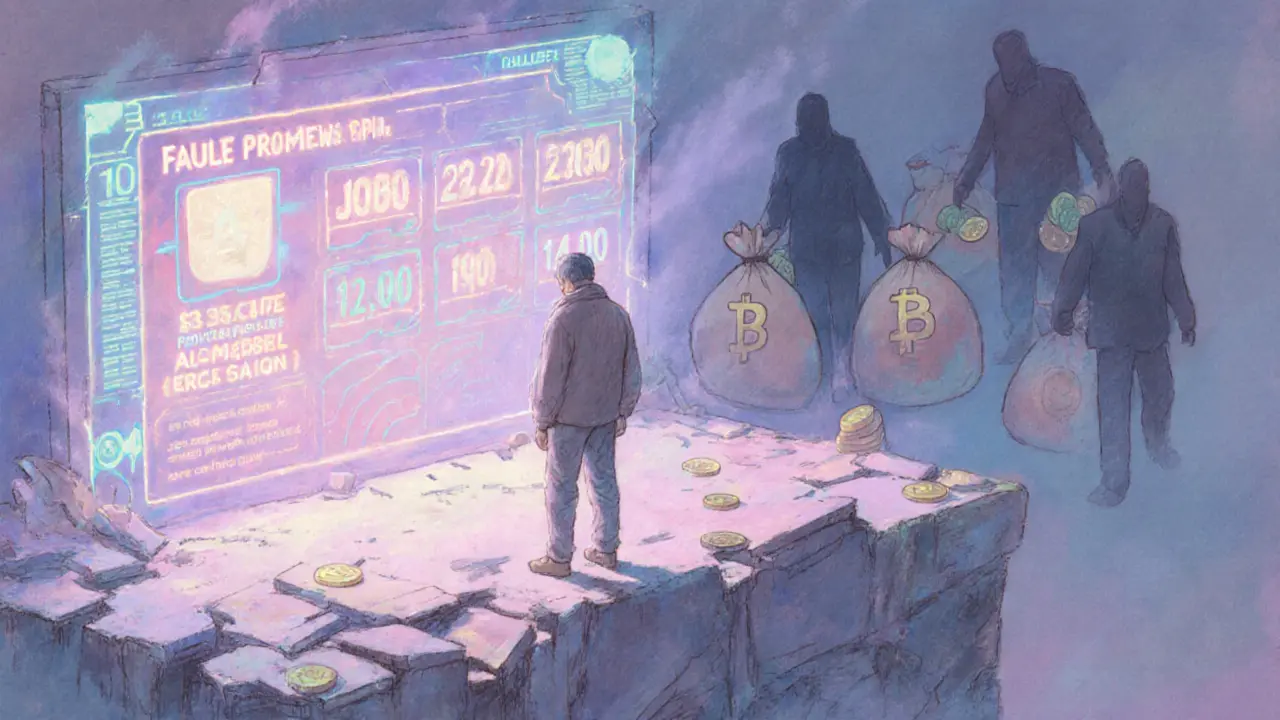
THDax crypto exchange is a known scam with no trading volume, deleted transparency pages, and reports of founders fleeing with users' funds. Avoid it at all costs and use regulated alternatives instead.
Jonathan Jennings Nov 7, 2025