

What is DuckCoin (DUCK) Crypto Coin? A Real Look at the Telegram Meme Token
Jonathan Jennings
Turkey Crypto Regulation: What You Need to Know in 2025
When it comes to Turkey crypto regulation, the set of legal and financial rules governing cryptocurrency use, trading, and taxation within Turkey. Also known as Turkish digital asset rules, it's become one of the most unpredictable frameworks in emerging markets. Unlike countries that outright ban crypto, Turkey lets people buy and sell—but with heavy restrictions that change every few months. The government doesn’t recognize Bitcoin or Ethereum as legal tender, but it also doesn’t stop you from owning them. That gray zone is where most traders get caught off guard.
One key piece of this puzzle is KYC Turkey, the mandatory identity verification process required by all licensed crypto exchanges operating in the country. Also known as Turkish crypto identity checks, it’s stricter than in many Western nations. If you want to trade on Binance Turkey or any local platform, you must submit a Turkish ID, proof of address, and sometimes even a selfie holding your document. No exceptions. This isn’t just about fraud prevention—it’s about control. The Central Bank of the Republic of Turkey wants to track every transaction, and they’ve made it clear: if you’re not verified, you’re not trading.
Then there’s crypto taxation Turkey, how the Turkish Revenue Administration treats profits from crypto trades and mining. Also known as Turkish digital asset taxes, it’s a mess. There’s no official tax rate published, but in practice, the government treats crypto gains as capital income. If you sell Bitcoin for Turkish Lira and make a profit, you could owe up to 35% in taxes. Mining? That’s considered a business activity. You need to register as a taxpayer, keep detailed logs, and file quarterly. Most people don’t. That’s why audits are rising—and fines are growing.
And don’t forget Binance Turkey, the local version of the world’s largest exchange, which was forced to shut down its fiat on-ramp in 2023 after regulatory pressure. Also known as Binance TR, it still lets users trade crypto-to-crypto, but you can’t deposit or withdraw Turkish Lira directly anymore. That pushed millions into peer-to-peer platforms like LocalBitcoins and Paxful. But those aren’t safe. Scams are rampant. And if you get hacked or tricked, there’s no recourse. The government won’t help you recover funds—because you weren’t supposed to be trading in the first place.
What’s clear is that Turkey’s approach isn’t about innovation—it’s about containment. They want crypto activity to exist, but only under their watch. That’s why they’ve cracked down on advertising, banned crypto promotions on TV, and pressured banks to block transactions linked to exchanges. If you’re holding crypto in Turkey, you’re doing it at your own risk. No deposit insurance. No legal protection. No refunds. But you’re not alone. Millions still trade daily, using VPNs, peer-to-peer deals, and offshore wallets. The rules change fast, but the behavior doesn’t. You’ll find real stories below—from traders who lost everything to those who found loopholes. This isn’t theory. It’s what’s happening right now.
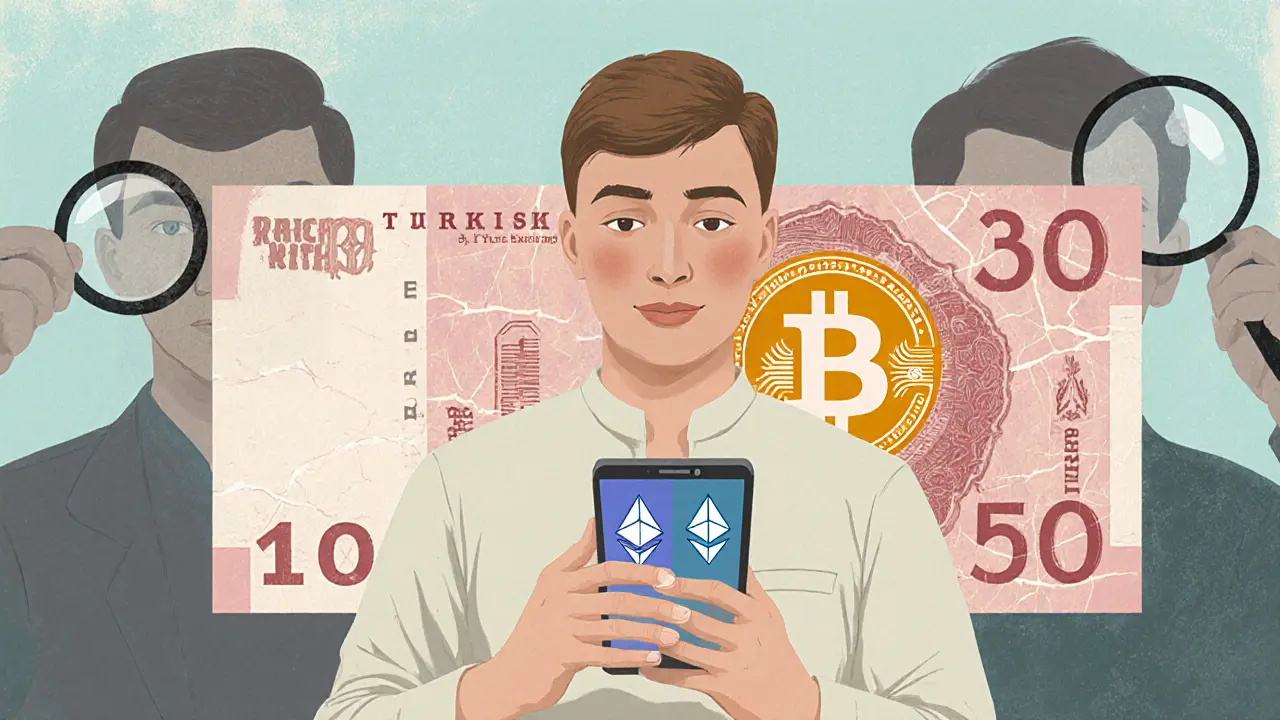
Turkey allows crypto trading but bans payments with digital assets. New 2025 rules require heavy licensing, mandatory KYC, and give authorities power to freeze accounts. Learn how this affects traders and the future of crypto in Turkey.
Jonathan Jennings Nov 19, 2025