

What is Inu Inu (INUINU)? A Deep Dive into the Ethereum Meme Coin
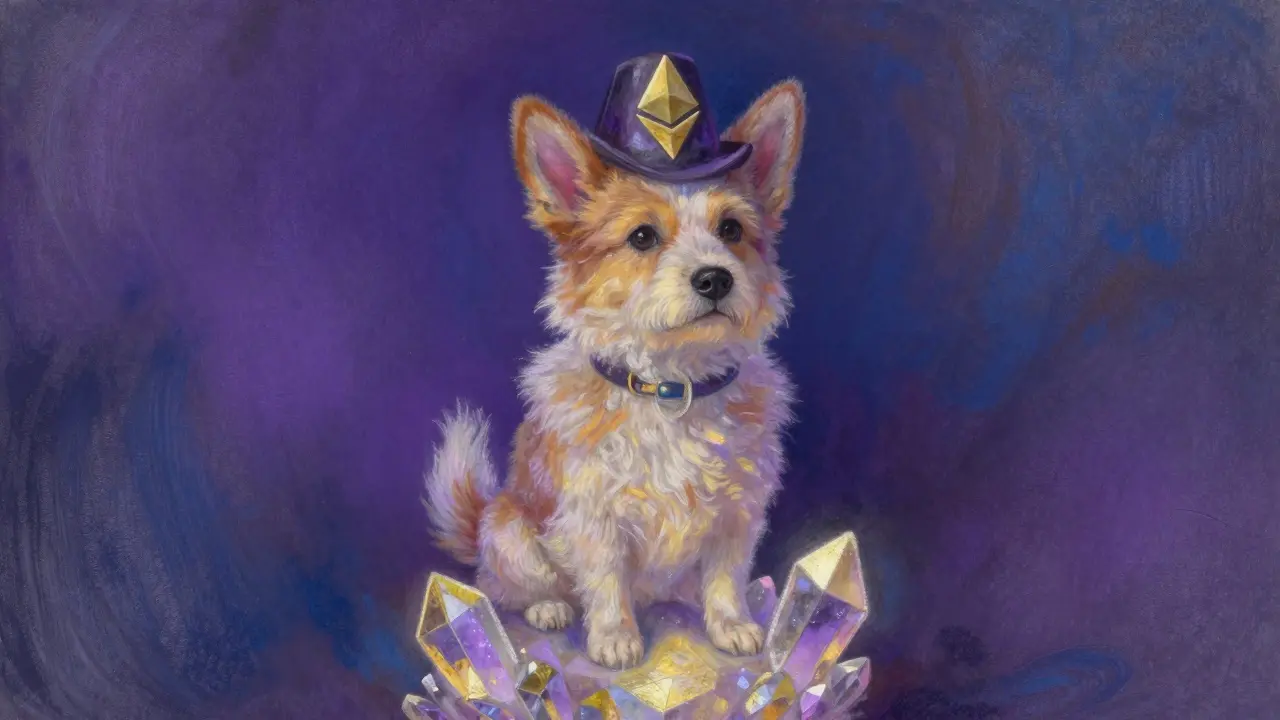
Imagine a cryptocurrency that launches with a bang, burns half its supply, locks its money away for two centuries, and then the creator simply vanishes. That is the strange, chaotic reality of Inu Inu is a community-driven meme token launched on the Ethereum blockchain that positions itself as a cultural statement against centralized finance. Also known as INUINU, it debuted on July 7, 2022, as a bold experiment in decentralization and anti-establishment symbolism.
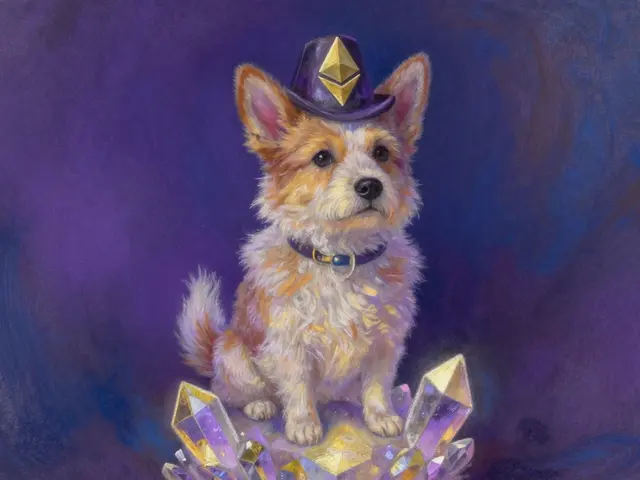
If you have ever wondered why some coins have trillions of tokens or why people buy "dog coins" with no apparent purpose, Inu Inu is a textbook example. It is not trying to solve a complex computing problem or replace the global banking system with a new protocol. Instead, it is a social play-a way for a tight-knit group of holders to align themselves with a shared meme identity. But is it just another speculative bubble, or is there something more to this "dog with a hat"?
The Core Mechanics of INUINU
To understand how INUINU works, you have to look at its "tokenomics"-the math behind the money. Most meme coins use taxes to fund marketing or burn tokens, but Inu Inu takes a different path. It operates with a zero tax policy. This means when you buy or sell, the platform doesn't take a cut. For traders, this is a big deal because it removes a hidden cost that often plagues smaller tokens.
The project also took some extreme steps to prove it wasn't a "rug pull" (where developers steal the funds and run). The liquidity-the pool of money that allows people to trade the coin-was locked for 200 years. While that sounds like a joke, it's a technical safeguard. By locking the liquidity, the developers ensured they couldn't suddenly withdraw the funds and leave investors with worthless tokens.
Supply management was another aggressive move. Right at the start, the team burned 53% of the total supply. In the crypto world, "burning" means sending coins to an unreachable wallet, effectively erasing them from existence. This reduces the overall supply, which theoretically makes the remaining coins more scarce.
| Attribute | Value |
|---|---|
| Blockchain | Ethereum |
| Launch Date | July 7, 2022 |
| Transaction Tax | 0% |
| Liquidity Lock | 200 Years |
| Max Supply | Up to 1 Quadrillion |
| Circulating Supply | ~465 Trillion |
A Project Without a Leader
Here is where things get weird. After the launch and the initial setup, the original developer vanished. No goodbye note, no roadmap, and no corporate headquarters. This created a unique governance structure where the community is the only thing keeping the project alive. There is no CEO or official development team making decisions about the future of the coin.
This "stealth" approach is meant to embody the spirit of Decentralization, which is the idea that no single entity should have control over a network. For the holders, this means they are in charge of social media promotion, community management, and the overall vibe of the project. It transforms the token from a financial asset into a lifestyle choice or a cultural badge of honor.
However, this lack of leadership is a double-edged sword. Because there is no official team, there is no whitepaper-the document that usually explains the technology and goals of a project. There are no security audits from reputable firms and no promised feature updates. If you are looking for a project with a 5-year corporate plan, you won't find it here.
Market Performance and Volatility
If you've looked at the price charts for INUINU, you know it's a rollercoaster. Like most meme coins, the value is driven almost entirely by hype and community sentiment rather than fundamental value. On April 12, 2024, the coin hit its all-time high of $0.00000002. Since then, it has seen a massive decline of about 95%, trading at tiny fractions of a cent.
Trading volume is also quite low. On some days, the 24-hour trading volume is only a few hundred dollars. This is a critical point for anyone considering a trade: low liquidity means "slippage." If you try to sell a large amount of coins at once, there might not be enough buyers, which could crash the price even further during your own transaction.
It is currently listed on several exchanges, including Coinbase, MEXC, and LBank. While these listings provide a way to trade, the lack of massive volume means the coin remains a highly speculative asset. You aren't buying a company's shares; you're buying into a community's belief that the coin will one day be worth more.
How it Compares to Other Meme Coins
Inu Inu exists in a crowded neighborhood. You have giants like Dogecoin, which started the trend, and Shiba Inu, which built a whole ecosystem around a meme. Inu Inu tries to carve out its niche by calling itself "the last great meme on Ethereum."
Where it differs is in its philosophy. While some meme coins try to pivot into "utility" (like creating their own blockchains or NFT marketplaces), Inu Inu seems content to remain a pure meme. It relies on the simplicity of its mascot-a dog with a hat-and the loyalty of its approximately 2,700 holders. It's a smaller, more intimate community compared to the millions of people holding Doge.
- Utility: Most meme coins have none; INUINU specifically avoids adding "fake" utility to stay honest to its meme roots.
- Fees: Many competitors have "reflection" taxes (taking a % of every trade to give back to holders); INUINU sticks to 0% tax.
- Stability: High volatility across the board, but INUINU's low volume makes it even more sensitive to single large trades.
Risks and Red Flags to Consider
Let's be honest: investing in a coin like this is closer to gambling than traditional investing. The most glaring risk is the total lack of transparency. Without a whitepaper or a known team, you are essentially trusting a group of strangers on the internet. If the community loses interest, the price could easily drop to zero because there is no underlying product to support it.
The historical price crash (95% off the peak) is a sobering reminder of how fast meme coins can lose value. Many people bought at the top of the hype cycle and are now holding tokens worth a fraction of their purchase price. Additionally, the low trading volume creates a liquidity trap; it's easy to buy in, but potentially difficult to exit with a large position without tanking the market.
Finally, there is the risk of the Ethereum network fees. Since INUINU is an ERC-20 token, you have to pay "gas fees" to move it. Sometimes, the cost of the transaction fee can be higher than the actual value of the tokens you are trying to trade, which is a common frustration for small-scale meme coin holders.
Is Inu Inu a safe investment?
No investment in meme coins is "safe." Inu Inu is a highly speculative asset with extreme volatility. While the liquidity is locked for 200 years to prevent a rug pull, the lack of a developer team and a whitepaper means there is no fundamental value supporting the price. Only invest money you are completely prepared to lose.
Who created the INUINU coin?
The coin was stealth-launched on July 7, 2022, by an anonymous developer. After setting up the liquidity lock and burning a large portion of the supply, the developer disappeared from the project. The coin is now managed entirely by its community of holders.
What makes Inu Inu different from other dog coins?
Unlike many other meme coins, Inu Inu has a zero transaction tax policy and an exceptionally long liquidity lock (200 years). It also doesn't claim to have "utility" or a complex roadmap, instead positioning itself as a pure cultural statement and community identity.
How can I buy INUINU?
INUINU is available on several cryptocurrency exchanges, including MEXC, LBank, and can be tracked via CoinMarketCap or CoinGecko. Since it is an Ethereum-based token, you will need an Ethereum-compatible wallet (like MetaMask) to store it.
What happened to the 53% of the supply that was burned?
The tokens were sent to a "null" address-a wallet that no one has the keys to. This effectively removes them from the circulating supply forever, which is a common tactic in crypto to create scarcity and prevent the developers from dumping a huge amount of coins on the market.
What Now?
If you're a seasoned trader who loves the adrenaline of micro-cap coins, Inu Inu might look like an interesting play. You can watch the community's social media channels to see if a new wave of hype is building. However, if you're new to crypto, it's better to treat this as a learning experience in how meme tokens work rather than a retirement plan.
If you do decide to dive in, start by checking the current liquidity on the exchange you're using. If the 24-hour volume is too low, be careful with the size of your order. Most importantly, remember that in the world of meme coins, the community is the product. If the community stays strong, the coin stays alive. If the community leaves, the "dog with a hat" goes with them.

Imagine calling this a "cultural statement" when it's actually just a digital dumpster fire for people who can't read a balance sheet. The sheer delusion of thinking a dog with a hat is some kind of anti-establishment manifesto is peak late-stage capitalism. We've reached a point where intellectual bankruptcy is rebranded as "decentralization" and people actually eat it up. It's not a social play, it's a casino for the cognitively impaired. The fact that the dev vanished is the only honest part of the whole project because they knew there was absolutely zero value here. Truly a masterclass in how to monetize stupidity by promising a 200-year lock that basically means your money is just gone in a fancy way. This isn't investing, it's a collective hallucination fueled by a desperate need for a lottery ticket. Honestly, if you're holding this, you're not a "cultural badge of honor" holder, you're just exit liquidity for someone smarter than you. It's pathetic how we've replaced actual financial innovation with memes of pets in clothing. The market doesn't need more "pure memes," it needs people to stop buying things that have no purpose other than to pump and dump. This is the financial equivalent of eating crayons and calling it a gourmet meal. Absolute trash. Just absolute, unmitigated trash. The only thing being burned here is the money of the retail suckers. Enjoy your digital dog hats while the ship sinks into the abyss of zero value. Good luck finding a buyer when the volume is literally lower than my interest in this garbage.
It is definitely a wild ride! 🚀 Just remember to always do your own research before jumping in. Stay safe out there everyone! 🌟
LOCKING MONEY FOR 200 YEARS??? This is a total scam by the globalists to freeze our assets!!!! Wake up people!!! They want us in these digital traps so they can track every single cent we have!!!! It's a psyop designed to make us trust the "system" while the real puppets in the shadows laugh at us!!! ABSOLUTE MADNESS!!!! 🇺🇸🇺🇸🇺🇸
It might be helpful to check the gas fees on Ethereum before making any trades since they can be quite high for smaller amounts.
I don't know, it seems kinda chill to just have a coin that's a meme and doesn't pretend to be a bank. Just a vibe thing.
The liqudity lock is realy a good move for trust even if the dev is gone. helps a lot with the fear of rugpulls.
I believe there's always a chance for a comeback if the community stays positive!
my heart is breaking for everyone who bought the top oh my god so sad
Omg i can't believe it dropped 95% that is just crazyyyy!! 😱
zero tax is the only thing that actually matters here
i just lost so much money on this i cant even breathe right now its so unfair
One should exercise extreme caution when engaging with assets that lack a fundamental whitepaper.
The lack of a roadmap creates a high-risk environment for those seeking a sustainable ROI through tokenomics.
It's okay to feel overwhelmed by the volatility, just remember to only use money you're cool with losing.
The technical implementation of the liquidity lock is a prudent measure to mitigate the risk of a liquidity drain.
It's interesting how a simple image like a dog in a hat can bring so many different people together in one community.
Who cares if there's no team? The community is what makes it great! Get on board or get out of the way!
How much you holding?
Just another example of why we need to get back to real assets.