

What is Radiant Capital (RDNT)? A Guide to Cross-Chain Lending
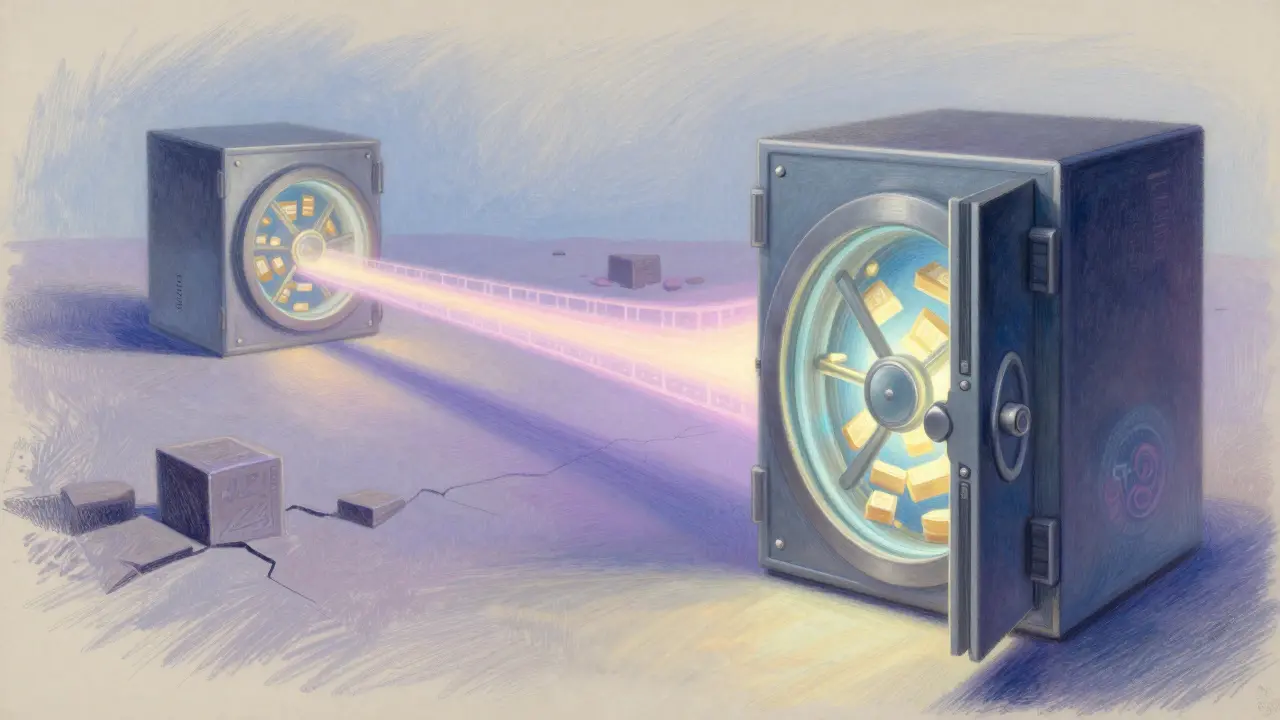
Imagine walking into a bank where your savings are locked in one vault, but you want to borrow money from a completely different branch across town. You can’t just walk over; you have to fill out forms, wait for transfers, and pay fees every step of the way. That was the reality of decentralized finance (DeFi) until recently. Liquidity was trapped in isolated pools on single blockchains like Ethereum or BNB Chain. Enter Radiant Capital, a protocol that uses LayerZero technology to create a unified, cross-chain lending experience. It allows users to deposit assets on one chain and borrow them on another without the headache of manual bridging.
If you’ve heard about the RDNT token and wondered if it’s worth your attention, you’re not alone. As the crypto space matures, the need for seamless interoperability has never been higher. This guide breaks down what Radiant Capital actually does, how the RDNT token works, and whether this protocol fits into your DeFi strategy in 2026.
The Problem Radiant Capital Solves: Fragmented Liquidity
To understand why Radiant Capital exists, you first need to see the problem it fixes. In traditional DeFi, liquidity is fragmented. If you hold USDC on Arbitrum, you can lend it on Aave Arbitrum. But if you want to borrow ETH from BNB Chain, you can’t use your Arbitrum USDC as collateral directly. You’d have to bridge your USDC to BNB Chain, paying gas fees and waiting for confirmation times, before you could even start the borrowing process.
This fragmentation creates inefficiencies. It means capital sits idle because it’s stuck on a chain with low demand, while other chains struggle with insufficient liquidity. Radiant Capital addresses this by acting as an omnichain protocol. It unifies these siloed markets into one interface. According to data from CoinMarketCap, this approach helps solve the critical industry issue of isolated money markets, allowing users to interact with a single pool of liquidity regardless of which blockchain their assets reside on.
How Does Radiant Capital Work?
The magic behind Radiant Capital isn’t just marketing fluff; it’s built on specific technical infrastructure. The core of its architecture is LayerZero’s omnichain interoperability protocol. LayerZero acts as the messaging layer that connects different blockchains, enabling them to communicate securely and efficiently.
Here is the simplified workflow:
- Deposit: You deposit an asset (like ETH) on any supported chain, such as Arbitrum or BNB Chain.
- Cross-Chain Messaging: LayerZero verifies the deposit and sends a message to the Radiant Capital smart contracts on other connected chains.
- Borrowing: Because your collateral is now recognized globally within the Radiant ecosystem, you can borrow assets (like USDC) on a different chain, say Polygon, without moving your original ETH.
This eliminates the need for wrapped assets or complex bridge interactions for the end-user. The protocol also utilizes Dynamic Liquidity Providers (dLP). Unlike traditional liquidity providers who might pull funds at unpredictable times, dLPs offer a more stable source of liquidity, addressing the transient nature of DeFi 1.0 pools. This stability helps maintain consistent interest rates and reduces the risk of sudden liquidity crunches.
Understanding the RDNT Token
The RDNT token is the native governance and utility token of the Radiant Capital ecosystem. It’s an ERC-20 standard token, meaning it’s compatible with most wallets and exchanges that support Ethereum-based assets. But what does holding RDNT actually get you?
First, there’s governance. As the protocol evolves, decisions about fee structures, new asset listings, and security parameters are made by the community. Holding and locking RDNT gives you voting power in the Radiant DAO. This ensures the protocol remains decentralized and aligned with user interests rather than being controlled solely by developers.
Second, there’s revenue sharing. This is a key feature that sets Radiant apart. Revenue generated from borrowers’ interest payments is distributed directly to users who vest or lock their RDNT tokens. This creates a direct economic incentive for long-term holders. Instead of just hoping the token price goes up, you earn actual yield from the protocol’s usage.
Third, there are incentives for participants. The token emissions are allocated to three primary groups: lenders, borrowers, and liquidity providers. By participating in the protocol, you earn RDNT rewards on top of the interest you make or pay. This flywheel effect encourages more activity, which increases TVL (Total Value Locked), which in turn generates more revenue for token holders.

Tokenomics and Supply Details
When evaluating any crypto project, understanding the supply dynamics is crucial. Here are the key numbers for RDNT as of late 2023 data points, which remain relevant for structural analysis:
| Metric | Value |
|---|---|
| Total Supply | 1.50 Billion RDNT |
| Circulating Supply | ~1.31 Billion RDNT |
| Token Standard | ERC-20 |
| Primary Use Cases | Governance, Staking/Rewards, Liquidity Provision |
A significant portion of the supply is already in circulation, which reduces the inflationary pressure compared to projects with large unlocks scheduled for the near future. The distribution model focuses on rewarding active users, which aligns the token’s value with the protocol’s health. If the protocol grows, more RDNT is earned by users, but the revenue-sharing mechanism ensures that the utility of the token scales with adoption.
Radiant Capital vs. Traditional Lending Protocols
You might be wondering, “Why not just use Aave or Compound?” Those are excellent questions. Aave and Compound are giants in the DeFi space, offering deep liquidity and robust security. However, they are primarily single-chain protocols. While Aave has expanded to multiple chains, each instance operates somewhat independently. Moving collateral between Aave on Ethereum and Aave on Arbitrum still requires bridging.
Radiant Capital’s true omnichain functionality means your collateral is portable by design. You don’t need to bridge manually. This saves time, gas fees, and reduces exposure to bridge hacks-a major security concern in DeFi. However, there are trade-offs. Established protocols like Aave have significantly higher Total Value Locked (TVL) and deeper liquidity for major pairs. If you’re looking to lend millions of dollars in ETH, Aave might offer better depth. But for users seeking flexibility across chains without managing multiple bridges, Radiant offers a superior user experience.
Security and Risk Assessment
In DeFi, security is paramount. Radiant Capital has taken several steps to mitigate risks. The protocol has undergone multiple audits from reputable firms, including Blocksec, which specializes in testing against economic attacks. The team behind Radiant includes veterans from both traditional finance and blockchain development, bringing a balanced perspective to risk management.
However, no system is immune to risk. Cross-chain transactions introduce complexity. While LayerZero is considered secure, relying on third-party messaging layers always carries some inherent risk compared to native chain operations. Additionally, smart contract bugs are a constant threat in DeFi. Users should always start with small amounts to familiarize themselves with the platform.
Another risk is regulatory uncertainty. As governments worldwide scrutinize DeFi governance tokens, the status of RDNT could face challenges. Always stay informed about regulatory developments in your jurisdiction.
Getting Started with Radiant Capital
Ready to try it out? Here’s a simple checklist to get you started:
- Connect Your Wallet: Ensure you have a Web3 wallet like MetaMask or Trust Wallet installed. Connect it to the Radiant Capital dashboard.
- Select Your Chain: Choose the blockchain where your assets are currently located (e.g., Arbitrum, BNB Chain).
- Deposit Collateral: Deposit assets like ETH, USDC, or wstETH into the protocol.
- Borrow Assets: Once your collateral is deposited, you can borrow supported assets on any connected chain.
- Claim Rewards: Check your dashboard regularly to claim RDNT rewards earned from lending, borrowing, or providing liquidity.
For beginners, the learning curve is moderate. You’ll need to understand concepts like collateralization ratios and liquidation thresholds. The Radiant Capital documentation and community Discord are great resources for guidance. Many users find that starting with stablecoins is the easiest way to grasp the mechanics before moving to volatile assets.
Future Outlook and Community Sentiment
The community response to Radiant Capital has been largely positive. With over 350,000 holders and an active Discord community of 45,000+ members, engagement is strong. Users praise the seamless cross-chain experience and competitive interest rates. However, some feedback highlights occasional slippage during high-volume periods and a desire for more asset variety.
Looking ahead, the protocol plans to expand its DAO capabilities, giving token holders more control over protocol parameters. Industry analysts predict growth for omnichain solutions as blockchain fragmentation continues to increase. While price predictions vary wildly-from optimistic targets of $0.15 by 2030 to highly speculative long-term figures-the underlying utility of Radiant Capital positions it well in the evolving DeFi landscape.
Is Radiant Capital safe to use?
Like all DeFi protocols, Radiant Capital carries risks. It has undergone multiple security audits from firms like Blocksec and uses LayerZero for cross-chain communication, which is generally considered secure. However, smart contract vulnerabilities and cross-chain bridge risks always exist. It is recommended to start with small amounts and never invest more than you can afford to lose.
What is the difference between Radiant Capital and Aave?
The main difference is cross-chain functionality. Aave is primarily a single-chain lending protocol, meaning you must bridge assets manually to move them between networks. Radiant Capital is omnichain, allowing you to deposit collateral on one chain and borrow on another seamlessly through LayerZero technology, reducing friction and gas costs.
How do I earn RDNT tokens?
You can earn RDNT tokens by participating in the protocol as a lender, borrower, or liquidity provider. The protocol distributes RDNT rewards to these users to incentivize activity. Additionally, locking RDNT tokens can provide access to revenue sharing from the protocol's interest income.
Which blockchains does Radiant Capital support?
Radiant Capital supports several major EVM-compatible chains, including Arbitrum, BNB Chain, and Ethereum. The protocol aims to expand to more chains as the LayerZero network grows, facilitating broader interoperability across the Web3 ecosystem.
What happens if my collateral value drops?
If the value of your collateral drops below a certain threshold relative to your borrowed amount, your position may be liquidated to ensure the protocol remains solvent. It is crucial to monitor your health factor and add more collateral or repay debt if market conditions become volatile.