
Acala Swap Review 2026: Fees, Speed, and Is It Safe?

Trying to trade Acala tokens feels like navigating a maze if you aren't sure where the exits are. You see "Acala Swap" mentioned in forums and tutorials, but when you look for a dedicated website called "Acala Swap," it’s nowhere to be found. That confusion is exactly why this review exists. We need to clear up what Acala actually is, how its swap mechanism works within the Polkadot ecosystem is a network of blockchains that work together seamlessly, and whether it’s safe enough for your money.
The short answer? Acala isn’t a centralized exchange like Binance or Coinbase. It’s a decentralized finance (DeFi) hub. When people talk about swapping on Acala, they’re usually referring to using its native decentralized exchange (DEX) features or aggregators that pull liquidity from Acala’s pools. This means you keep control of your keys, but you also take on more responsibility for security and gas fees.
What Exactly Is Acala Swap?
To understand the swap, you first have to understand the platform. Acala Network is a layer-1 smart contract platform optimized for DeFi on Polkadot. Think of it as a financial district built specifically for crypto trading, lending, and borrowing. It supports both Substrate-based chains and Ethereum Virtual Machine (EVM) contracts. This dual compatibility is huge because it allows developers to port apps from Ethereum easily while enjoying Polkadot’s speed and lower costs.
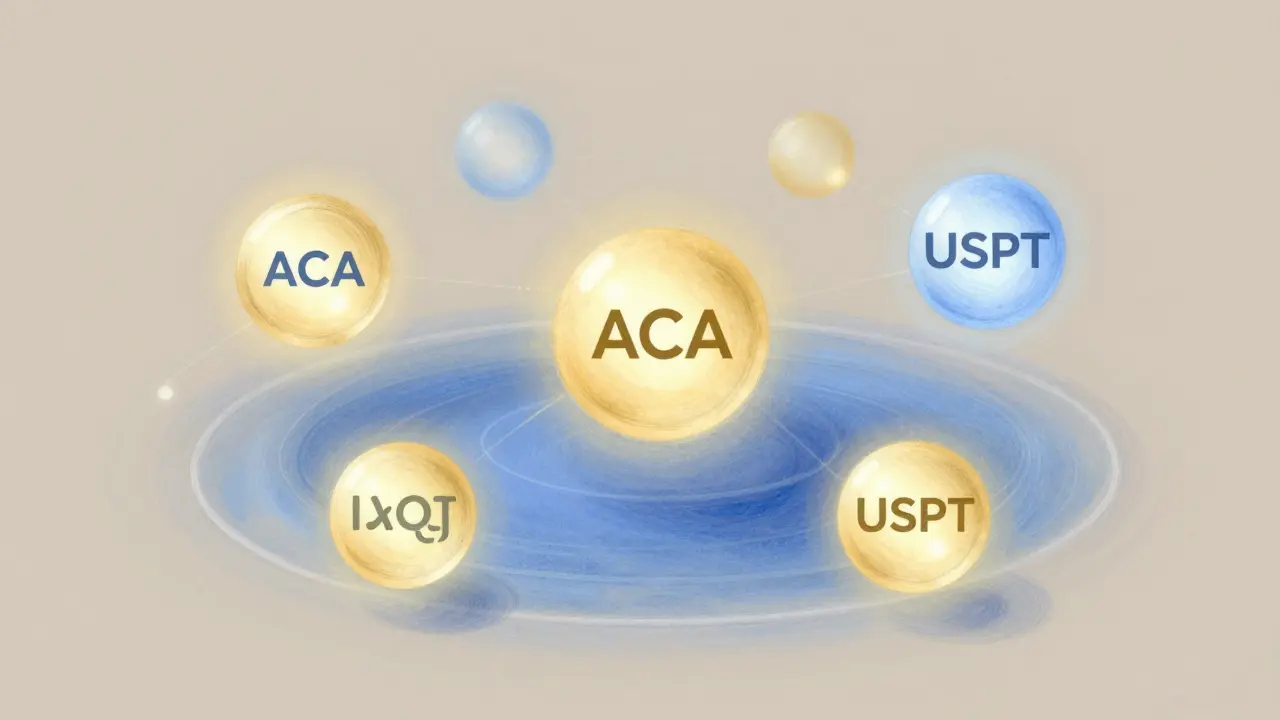
When you perform a "swap" on Acala, you are interacting with an automated market maker (AMM). Unlike a traditional order book where buyers and sellers match prices, an AMM uses liquidity pools. Other users deposit pairs of tokens (like ACA/USDT) into these pools. When you want to swap ACA for USDT, you’re pulling from that pool, and the price adjusts automatically based on supply and demand algorithms. This process happens instantly on-chain, without a middleman holding your funds.
This structure makes Acala distinct from centralized exchanges. There is no customer support team to call if you send coins to the wrong address. There is no KYC (Know Your Customer) check slowing you down. But there is also no insurance fund if a bug gets exploited. Understanding this trade-off is critical before you connect your wallet.
User Experience: How Easy Is It to Trade?
If you’ve used Uniswap on Ethereum, the interface will feel familiar. The Acala DEX interface is clean, minimalist, and designed for function over flair. Here is the typical flow:
- Connect Wallet: You’ll likely use a browser extension like MetaMask or a mobile wallet like Talisman or Nova Wallet. These wallets interact directly with the Polkadot and Kusama networks.
- Select Tokens: Choose the token you have (e.g., DOT) and the token you want (e.g., ACA).
- Set Slippage: This is crucial. Slippage tolerance determines how much the price can change between the time you click swap and when the transaction confirms. For stable pairs, 0.5% is fine. For volatile assets, you might need 1-3%.
- Approve & Swap: First, you approve the token spending limit. Then, you confirm the swap transaction in your wallet.
The experience is generally smooth, but it’s not instantaneous like a credit card swipe. On Polkadot, blocks produce every six seconds. However, depending on network congestion and the complexity of the cross-chain bridge you might be using, confirmation can take anywhere from 10 seconds to a few minutes. If you’re bridging assets from Ethereum to Polkadot via Acala’s Liquid Staking or Bridge protocols, expect longer wait times.
One friction point for beginners is the concept of "account balance" vs. "free balance." In Polkadot ecosystems, some of your tokens must remain locked as a "reserved balance" to keep your account active. If you try to swap all your tokens, the transaction will fail. Always leave a small amount (usually less than 0.01 DOT or ACA) in your wallet to cover existential deposits.
Fees: What Will It Cost You?
Fees are where DeFi shines compared to centralized exchanges, but you need to know what you’re paying for. On Acala, you encounter three types of costs:
| Fee Type | Description | Estimated Cost |
|---|---|---|
| Trading Fee | Paid to liquidity providers for their capital risk. | 0.3% standard for most pairs; varies by pool. |
| Network Gas Fee | Paid to validators to process the transaction. | Fraction of a cent (often <$0.01) due to Polkadot’s efficiency. |
| Slippage Cost | Difference between expected price and executed price. | Variable; higher during high volatility or low liquidity. |
The trading fee of 0.3% is industry standard for AMMs. While it sounds high compared to a 0.1% fee on Binance, remember that you aren’t paying for hosting, marketing, or regulatory compliance. More importantly, the network gas fees on Polkadot are negligible. On Ethereum, a simple swap could cost $5-$20 in gas. On Acala, it’s often pennies. This makes micro-trading feasible here, which is impossible on Layer 1 Ethereum.
However, if you are bridging assets from another chain (like moving ETH to ACA), you may face bridge fees. These are separate from the swap itself and depend on the specific bridge protocol used (e.g., Hydration, Centrifuge, or native Acala bridges). Always check the bridge fee estimate before initiating a cross-chain transfer.
Security and Safety: Is Your Money Safe?
Security in DeFi rests on two pillars: code integrity and user behavior. Acala has undergone multiple audits from reputable firms like Oak Security and Trail of Bits. As a parachain on Polkadot, it inherits the shared security of the Relay Chain, meaning thousands of validators secure the network. This is significantly more robust than many standalone L1 blockchains.
However, "safe" doesn’t mean "risk-free." The biggest risks lie with you:
- Phishing Sites: Ensure you are on the official Acala interface (
acala.network). Fake sites mimic the UI to steal your seed phrase. - Smart Contract Bugs: While audited, no code is perfect. Exploits happen. Never invest more than you can afford to lose.
- Liquidity Risk: If you’re swapping a rare token with low liquidity, you might suffer massive slippage, getting far fewer tokens than quoted.
Acala also offers self-custody solutions. Unlike centralized exchanges where you don’t own your keys, on Acala, you hold the private keys. If you lose your recovery phrase, no one can help you recover your funds. Use a hardware wallet like Ledger or Trezor for significant amounts. Connecting a hot wallet (browser extension) for daily swaps is convenient, but keeping large holdings cold is non-negotiable for serious investors.
Tokenomics and Market Position of ACA
The native token, ACA is the governance and utility token of the Acala Network, serves multiple purposes. You use it to pay for transactions, govern the protocol through voting, and provide liquidity. Its value is tied to the overall health and adoption of the Polkadot ecosystem.
As of mid-2026, ACA trades in a range influenced heavily by Polkadot’s performance. Technical analysis shows ACA often respects key moving averages, with support levels forming around historical lows. Price predictions vary wildly-some analysts project modest growth based on steady DeFi adoption, while others speculate on exponential gains if Polkadot captures significant institutional interest. Keep in mind that crypto markets are highly volatile. Past performance does not guarantee future results. Always do your own research (DYOR) and consider dollar-cost averaging (DCA) rather than timing the market.
Acala’s unique selling point is its stablecoin, AUSD. By minting AUSD against staked DOT or other assets, users can hedge against volatility without leaving the ecosystem. This internal demand for ACA (as collateral and fee payment) creates a deflationary pressure mechanism that supports long-term value retention.
Alternatives: Should You Use Something Else?
Acala is excellent for Polkadot-native trading, but it’s not the only option. Depending on your needs, other platforms might serve you better:
- KyberSwap / 1inch: If you prioritize getting the absolute best price across multiple DEXs, aggregators like KyberScan or 1inch scan dozens of sources. They often find better rates than swapping directly on Acala by splitting orders across different pools.
- Balancer: For more complex portfolio rebalancing, Balancer offers weighted pools that allow you to create custom baskets of assets. It’s more advanced but offers greater flexibility.
- Centralized Exchanges (CEX): If you need fiat on/off ramps (buying crypto with USD/AUD), you still need a CEX like Kraken or CoinSpot. Move funds to Acala only after purchasing.
For pure Polkadot ecosystem interaction, however, Acala remains the gold standard. Its liquidity depth and integration with other parachains make it the default gateway for DeFi activities on Polkadot.
Final Verdict
Acala Swap isn’t a standalone product; it’s the core functionality of a robust DeFi infrastructure. It offers low fees, high security through Polkadot’s consensus, and seamless interoperability. It’s ideal for users who value self-custody, want to participate in Polkadot’s economy, and are comfortable managing their own keys.
It’s not for everyone. If you hate dealing with wallets, seed phrases, and slight technical hurdles, stick to centralized exchanges. But if you’re ready to dive into true Web3 finance, Acala provides a reliable, efficient, and transparent environment. Just remember: verify URLs, secure your keys, and never ignore slippage settings.
Is Acala Swap safe to use?
Yes, Acala is considered safe due to its position as a Polkadot parachain with regular security audits. However, safety also depends on your actions. Always use the official website, enable 2FA on connected accounts, and store significant funds in a hardware wallet. Smart contract risks always exist in DeFi.
How much does it cost to swap on Acala?
Typical swap fees are 0.3% paid to liquidity providers. Network gas fees are extremely low, often less than $0.01. Additional costs may apply if you are bridging assets from other blockchains like Ethereum or Bitcoin.
Do I need to sign up for an account to use Acala?
No. Acala is a decentralized platform. You do not need to create an account, provide ID, or undergo KYC. You simply connect a compatible crypto wallet like MetaMask, Talisman, or Nova Wallet to access the interface.
Can I buy ACA with Australian Dollars (AUD)?
Not directly on Acala. Since Acala is a DeFi platform, it only accepts cryptocurrencies. To buy ACA with AUD, you would typically purchase it on a centralized exchange like CoinSpot or Binance Australia, then withdraw it to your personal wallet to use on the Acala network.
What is the difference between Acala and Polkadot?
Polkadot is the underlying relay chain that connects various blockchains. Acala is a specialized parachain built on top of Polkadot focused specifically on decentralized finance (DeFi). Think of Polkadot as the internet infrastructure and Acala as a powerful banking app running on it.
Why did my Acala swap fail?
Common reasons include insufficient balance for gas fees, incorrect slippage tolerance settings, or trying to spend your entire balance (leaving no existential deposit). Check your wallet balance, increase slippage slightly if the market is volatile, and ensure you have enough ACA or DOT for transaction fees.