

Biswap v2 Review: Is This Low-Fee BNB Chain DEX Still Worth It?

Most people enter the world of decentralized trading because they are tired of waiting for account approvals or handing over their passports to a centralized entity. If you are looking for a way to swap tokens without a middleman, Biswap v2 is a decentralized exchange (DEX) built on the BNB Chain that focuses on high speed, low costs, and a wide array of DeFi tools. Launched in 2021, it has evolved from a simple swap tool into a full-blown ecosystem featuring a launchpad, an NFT marketplace, and aggressive yield farming options. While it isn't as famous as the giants, it carves out a niche by offering some of the lowest fees in the game. But does a 0.1% fee justify the risks of an anonymous team and a volatile native token?
The Core Trading Experience
At its heart, Biswap v2 is designed to get you in and out of a trade as quickly as possible. Unlike centralized platforms, there is no signup process. You simply connect a compatible wallet and start swapping. This permissionless nature is a huge draw for those who prioritize privacy.
The platform supports over 300 cryptocurrency assets, which is plenty for most traders. However, you won't find any fiat pairs here. If you want to trade USD or EUR for crypto, you'll need to do that elsewhere and then bridge your assets over to the BNB Chain. The real winner here is the fee structure. While many DEXs charge higher percentages, Biswap keeps it at 0.1%, making it an attractive spot for high-frequency traders who want to keep more of their profits.
| Feature | Details |
|---|---|
| Network | BNB Chain (BSC) |
| Trading Fee | 0.1% |
| KYC Required | No |
| Max Leverage | Up to 100x |
| Supported Wallets | MetaMask, Trust Wallet, SafePal, Coin98 |
Understanding BSW and Tokenomics
You can't really talk about this exchange without mentioning BSW is the native utility token of the Biswap ecosystem, used for staking, governance, and earning rewards. BSW is the engine that drives the platform. If you hold BSW, you can stake it to earn a share of the platform's rewards or use it in the launchpool to get early access to new projects.
From a market perspective, BSW has had a wild ride. It hit an all-time high of $2.13 back in December 2021 during the DeFi craze. Fast forward to 2026, and the price is much lower, often hovering around the $0.03 mark. This volatility is common for DEX tokens, but it's a reminder that staking BSW involves significant market risk. To fight inflation, the team uses a deflationary model where a portion of fees are burned, which theoretically helps maintain value over the long haul.

Yield Farming and Liquidity Provision
For those who want their crypto to work for them, the yield farming section is where the action is. In simple terms, you provide liquidity by depositing pairs of tokens into a pool. In exchange, you earn a portion of the trading fees and additional BSW rewards.
The appeal here is the potential for high APRs, but you need to be aware of "impermanent loss." This happens when the price of your deposited tokens diverges significantly from when you deposited them. If one token moons while the other crashes, you might find that you would have been better off just holding the tokens in your wallet. Biswap tries to mitigate this by offering various farming tiers, but the risk remains a fundamental part of the DeFi experience.
Security and the "Anonymous Team" Factor
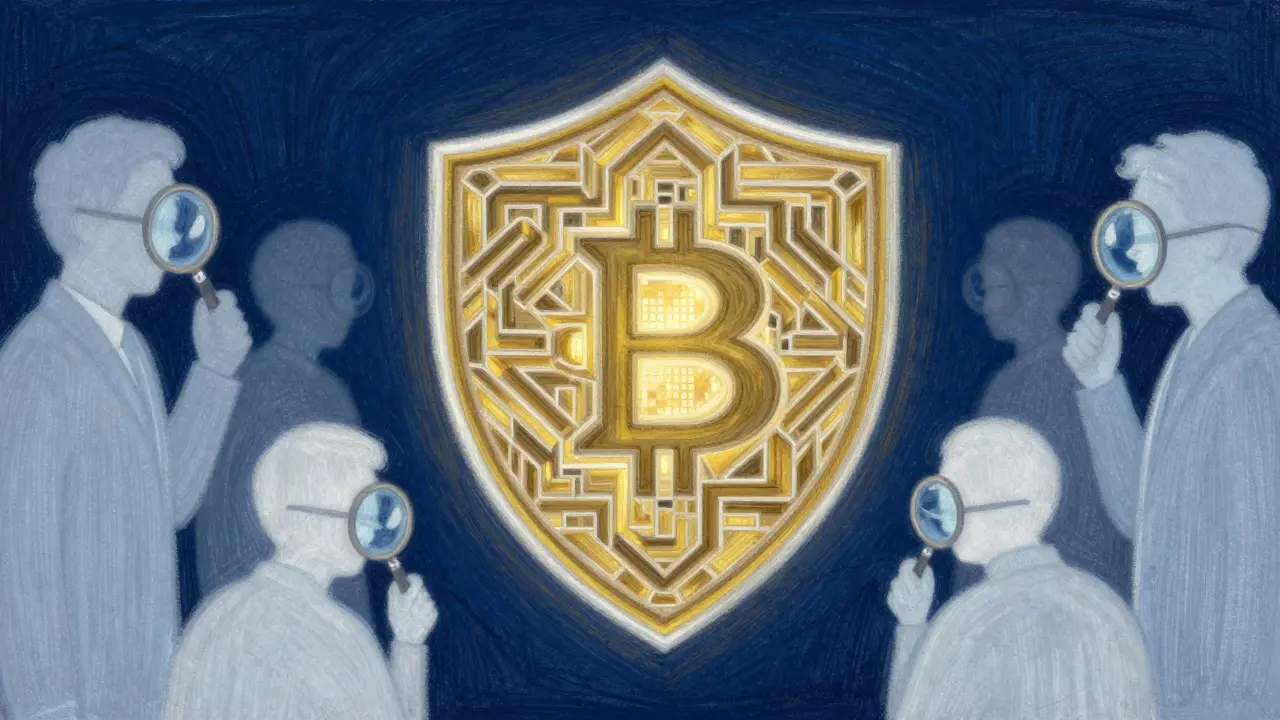
One of the biggest talking points in the community is the identity of the developers. The team behind Biswap is anonymous. For some, this is the peak of decentralization; for others, it's a red flag. If something goes wrong, there is no corporate office to sue or CEO to hold accountable.
To counter this fear, the platform has leaned heavily on third-party audits. CertiK is a leading blockchain security firm that provides smart contract auditing and real-time security monitoring. CertiK, along with PeckShield and Hacken, has audited the contracts. As of May 2025, CertiK Skynet gave Biswap a security score of 88/100, which is quite respectable. They also implemented a multisig-timelock upgrade system to prevent any single person from making abrupt, malicious changes to the code.
Pros and Cons: The Real-World Trade-off
When you weigh everything up, using Biswap v2 comes down to your risk tolerance. On the plus side, you get a fast, low-cost experience with no KYC hurdles. The inclusion of leverage trading up to 100x is a powerful tool for pro traders, though it's a dangerous game for beginners.
- The Good: Extremely low fees (0.1%), no KYC, wide asset support, and decent security audits.
- The Bad: Anonymous team, high BSW price volatility, and the inherent risks of leverage trading.
How to Get Started with Biswap v2
If you've decided to try it out, the process is straightforward. You don't need to create an account, but you do need a wallet.
- Set up a Wallet: Install MetaMask or Trust Wallet and ensure you are on the BNB Smart Chain network.
- Fund your Wallet: You'll need BNB to pay for gas fees (the small cost of processing transactions on the blockchain).
- Connect to Biswap: Go to the official site and click "Connect Wallet."
- Swap Tokens: Select the token you have and the token you want, enter the amount, and confirm the transaction in your wallet.
- Explore DeFi: If you're feeling bold, head to the "Pools" or "Farm" sections to start earning rewards.
Is Biswap v2 safe to use?
While it has been audited by firms like CertiK and Hacken with generally positive scores, no DEX is 100% safe. The main risks are smart contract bugs and the fact that the development team is anonymous. Always use a "burn wallet" (a wallet with only the funds you are willing to lose) when interacting with DeFi platforms.
What is the difference between Biswap and PancakeSwap?
Both are on the BNB Chain, but Biswap often competes on fees, offering a very low 0.1% rate. Biswap also integrates a specific three-tier referral system and a heavy focus on BSW token utility through its own launchpool and NFT marketplace, whereas PancakeSwap is generally larger with more overall liquidity.
Do I need KYC to use Biswap?
No. Because it is a decentralized exchange, Biswap does not require any personal identification, emails, or phone numbers. You only need a compatible Web3 wallet to interact with the smart contracts.
How does the BSW token work?
BSW is the native token used to power the ecosystem. You can stake it to earn rewards, use it to participate in new project launches via the launchpool, and it acts as the primary incentive for liquidity providers in the farming pools.
What happens if I lose my wallet keys?
Since Biswap is non-custodial, they do not have access to your funds. If you lose your seed phrase or private keys to your MetaMask or Trust Wallet, your funds are gone forever. There is no "forgot password" button in decentralized finance.





Everyone knows that 0.1% fee is just a honey pot to get you in. The real game is the BSW token volatility which is basically a casino at this point. I've seen a dozen DEXs pull this exact same playbook and end up in a death spiral while the devs just vanish into the ether.
It's actually a fantastic starting point for anyone feeling overwhelmed by the complexity of DeFi! Just remember that the 100x leverage is like jumping into a volcano without a suit. Please, for the love of everything, start with a tiny amount and learn the ropes of liquidity providing before you go full degenerate mode!
Anonymous teams are the standard for those of us who actually understand the ethos of cyberspace. The obsession with "KYC" and "known identities" is just a gateway for the globalist surveillance state to track every single satoshi we move. If you need a CEO to feel safe, you're exactly the kind of retail sheep the banks want to keep.
The fee is just low because it's on BNB chain.
Oh wow, a 0.1% fee, how absolutely revolutionary and ground-breaking in the current market landscape. I'm sure the slippage on low-liquidity pairs isn't just eating your margins alive while you're patting yourself on the back for saving a few cents on the transaction fee. It's truly a masterclass in DeFi optimization if you ignore the fact that the BSW token has the price stability of a wet noodle in a hurricane. I love how the industry thinks a CertiK audit is a magical shield against the inevitable chaos of algorithmic instability. Just keep farming those rewards while the impermanent loss drains your soul and your wallet simultaneously. Truly a stunning achievement in financial engineering if we're pretending this is a viable long-term strategy and not just a high-stakes game of musical chairs. I'll be over here laughing at the sheer audacity of the tokenomics while I wait for the next inevitable pivot to a "v3" that promises to fix everything they broke in v2. Pure gold.
this sounds like a wild ride lol i love the vibe of no passports just vibes and tokens but those 100x leverage numbers are kinda spooky no
There is something profoundly poetic about the anonymity of the developers in these systems, as it mirrors the very essence of the digital void where value is created and destroyed by the collective whim of thousands of strangers. While some view the lack of a corporate entity as a risk, one could argue that it's the only way to achieve a true meritocracy of code, where the smart contract is the only law that matters, regardless of who wrote it or where they reside in the physical world. However, the volatility of BSW seems to suggest that the psychological anchor of a known leader might be more valuable to the average investor than the theoretical purity of decentralization.
USA NUMBER ONE! 🇺🇸 Let's get those gains and dominate the market!! 🚀💰 Who cares if the team is hidden? The tech is what matters! LFG!!! 📈🔥
India is becoming a powerhouse in this space and seeing these low fees is just wonderful! It's so exciting to see how decentralized finance can empower everyone regardless of where they are from! 🇮🇳
It is imperative to note that users should exercise extreme caution when utilizing leverage trading. While the low fees are advantageous, the risk of liquidation is substantial for those who are not well-versed in margin requirements.
The referral system is quite interesting and helps a lot of people in the community grow together without needing a central authority.
hope everyone stays safe with their funds the burn wallet tip is really important
I think it's a great option for people who just want a simple swap without all the corporate noise. Just be mindful of the risks and don't put in more than you can afford to lose!
Let's all try to be careful with the liquidity pools! It's a great way to earn but we should support each other in learning about impermanent loss first.
honestly who cares about the team just use the swap and leave
I've been guiding a few friends into BSC and Biswap is usually a good recommendation for those who are fee-sensitive. Glad to see the community growing!
The UI is a bit basic if you've used top-tier platforms, but I guess that's the trade-off for "low fees." Whatever.
purely an alpha play for those with the guts to handle the dip. the weak hands will cry about the anonymous team while the real ones print money in the shadows.
Solid overview. Quick and efficient.
Love the freedom of no KYC! It's all about that financial sovereignty 🌈✨ Let's keep exploring these new horizons together!