

Chinese Crypto Mining Exodus: Where Bitcoin Miners Moved After the Crackdown
When China Shut Down Crypto Mining, the World Had to Adapt
Back in 2021, something unprecedented happened in the Bitcoin world. China, which had been home to more than three-quarters of all Bitcoin mining activity, suddenly banned it. Not just restricted - shut down. Mining rigs were unplugged. Farms were abandoned. Thousands of machines, worth billions, had to vanish overnight. And they didn’t just disappear - they moved. Fast.
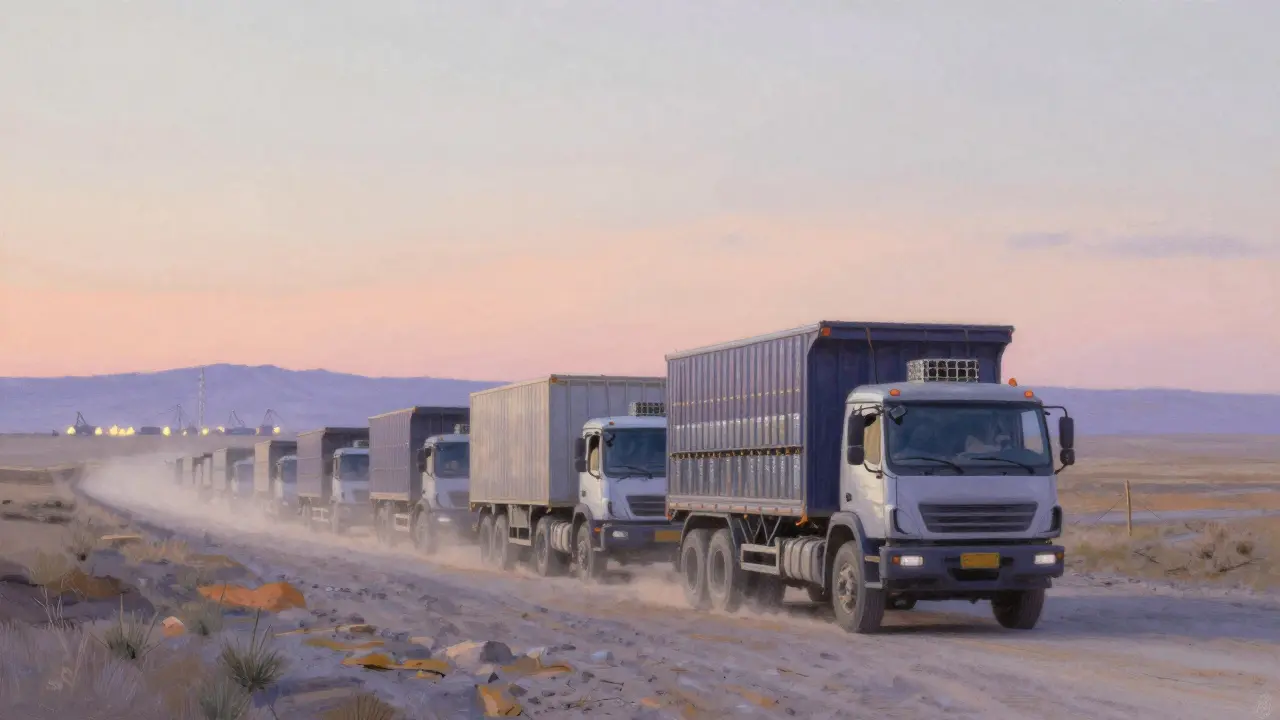
This wasn’t a slow transition. It was a mass exodus. Within months, the global mining map was redrawn. Miners didn’t wait for permits or approvals. They packed up their ASICs, loaded them onto trucks and planes, and headed for places with cheap power and no questions asked. The result? One of the biggest industrial relocations in crypto history.
Why Did China Ban Bitcoin Mining?
China’s move wasn’t random. It was part of a broader crackdown on energy waste and financial control. Bitcoin mining ate up massive amounts of electricity - often from coal-powered grids in provinces like Inner Mongolia. The government called it an “energy-intensive industry” and tied it to carbon goals. But the real trigger was control. Crypto threatened the state’s monopoly over money flows. Miners weren’t just running machines - they were creating a parallel financial system outside the People’s Bank’s reach.
Provinces started banning mining first. Inner Mongolia led the charge in early 2021, shutting down operations tied to coal power. Then came the central government’s order: no mining, no trading, no crypto services. It was total. No gray area. No grace period. Miners had weeks to shut down or flee.
Kazakhstan: The Unexpected Winner
When Chinese miners looked for a new home, Kazakhstan was waiting. It had the power - lots of it - and the willingness to use it. The country’s energy grid was mostly coal and hydro, with low electricity prices and minimal regulation. Within months, Kazakhstan’s share of global Bitcoin mining jumped from less than 2% to over 18% by late 2021. For a while, it was the second-largest mining hub in the world.
Miners didn’t just show up - they built entire towns around their rigs. In places like Almaty and Karaganda, warehouses turned into mining farms. Local utilities saw demand spike. Some regions even built new substations just to handle the load. But it came with a cost. Environmental groups warned about rising carbon emissions. And when Kazakhstan later tried to impose export restrictions on electricity to stabilize its own grid, miners scrambled again.
Texas: The American Safe Haven
While Kazakhstan was the first big winner, Texas became the long-term favorite. Why? Because it wasn’t just about cheap power - it was about freedom. Texas has no state income tax, no central utility regulator, and a government that openly welcomed Bitcoin mining. In 2021, Governor Greg Abbott signed a bill protecting crypto miners from being shut down by local utilities.
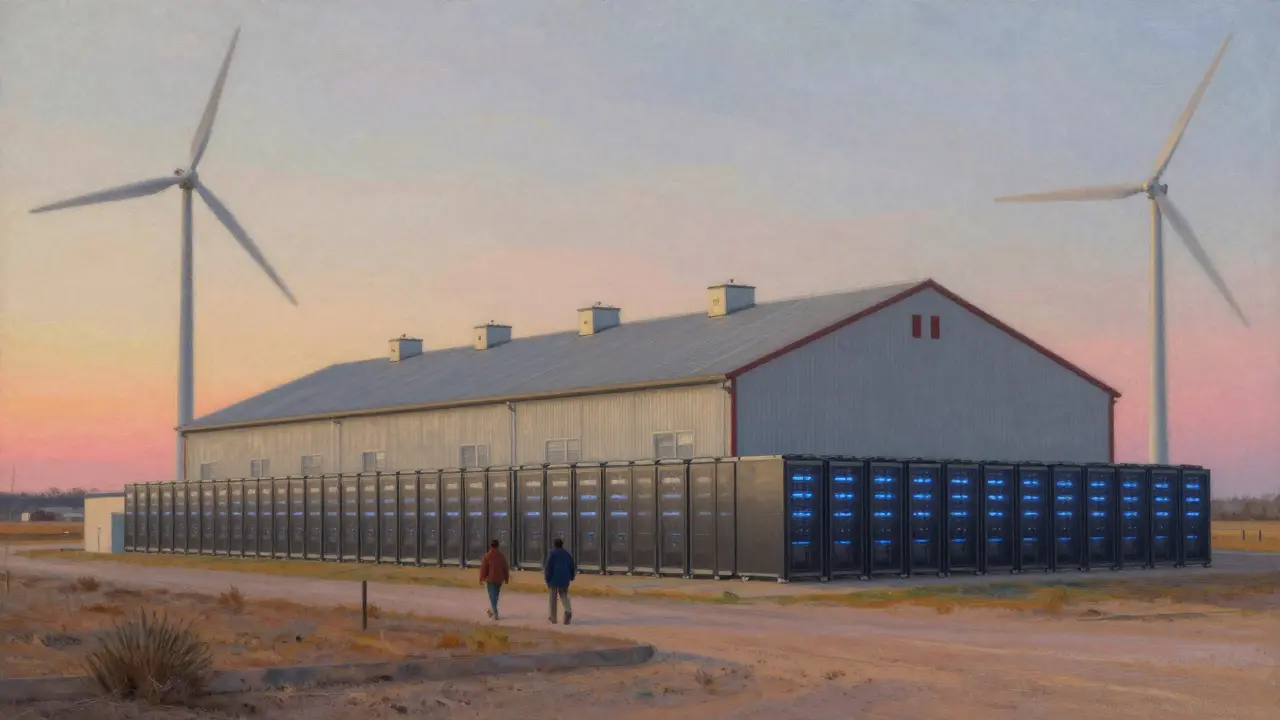
The state’s energy grid, run by ERCOT, was already struggling with extreme weather and demand spikes. Miners became a surprising solution. They could ramp up when wind and solar were overproducing - turning excess energy into profit. When demand peaked, they could shut down in minutes, helping prevent blackouts. Some mining companies even signed contracts to use stranded or curtailed renewable power that would’ve otherwise gone to waste.
Today, Texas hosts nearly half of all Bitcoin mining capacity in the U.S. - about 2.6 gigawatts. That’s more than the entire country of Germany. And it’s still growing. Companies like Riot Blockchain and Marathon Digital moved entire fleets here. They didn’t just relocate - they invested in new data centers, hired local workers, and partnered with energy providers.
Other Key Destinations: Russia, the U.S. Northeast, and Beyond
Kazakhstan and Texas weren’t alone. Russia saw a big influx, especially in Siberia, where cheap hydro and cold climates helped cool mining rigs naturally. Iran, despite sanctions, also became a hotspot - miners used surplus natural gas and state-subsidized electricity. Some even moved to Georgia and Belarus, where regulations were loose and power was affordable.
In the U.S., besides Texas, miners flocked to New York’s upstate regions, Washington state, and Pennsylvania. These areas had surplus hydroelectric power and aging infrastructure that could handle extra load. In some cases, miners bought old factories or paper mills and converted them into mining facilities. The key? Access to low-cost, reliable electricity - and no political pressure to shut down.
How Did Miners Even Move That Much Equipment?
It sounds impossible - moving thousands of heavy, fragile machines across borders in months. But Bitcoin mining hardware is designed for this. ASIC miners are modular. They’re not like servers in a data center. They’re like industrial appliances: plug in, power on, connect to the internet. No complex setup. No custom software. Just a power cable and a network cable.
Miners hired logistics companies that specialized in heavy equipment transport. Trucks carried rigs from Inner Mongolia to the Kazakhstan border. Planes flew them from Chengdu to Houston. Some miners even shipped entire containers of equipment via rail from China to Europe, then onward to the U.S. The whole process - from shutdown in China to full operation in Texas - took as little as six weeks for some teams.
The Ripple Effects: Power Grids, Prices, and the Future
The exodus didn’t just change where mining happened - it changed how energy markets worked. In Kazakhstan, electricity prices rose as demand surged. In Texas, utilities started offering special rates to miners who could act as demand buffers. Some power companies now pay miners to turn off during peak hours - turning Bitcoin miners into grid stabilizers.
For Bitcoin itself, the move was a win. Before 2021, over 75% of mining happened in one country. That was a single point of failure. After the exodus, mining became truly global. The network’s hashrate dipped briefly during the move, but then surged higher than ever - because miners weren’t just relocating, they were upgrading. Newer, more efficient machines replaced old ones.
Today, China’s mining share is below 1%. The world is more decentralized than ever. And that’s exactly what Bitcoin was built for.
What’s Next? The Next Exodus Might Be Even Bigger
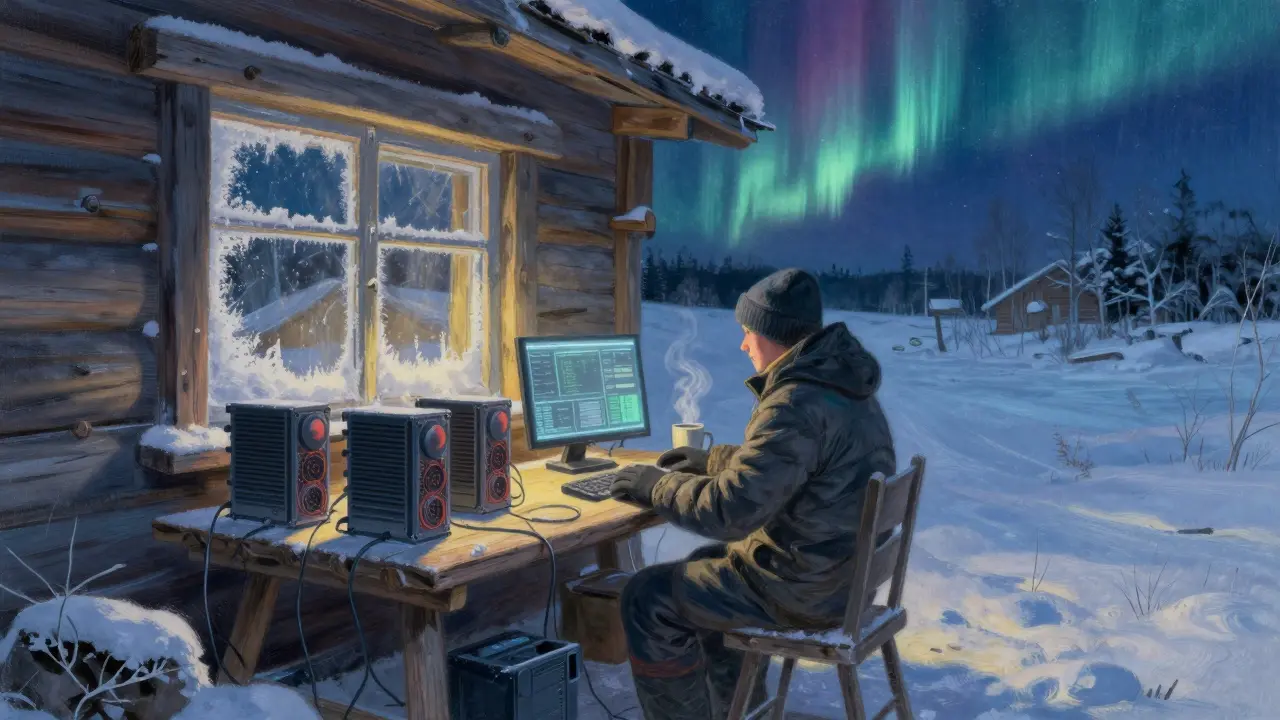
Miners are already looking ahead. With climate regulations tightening in the U.S. and Kazakhstan, the next wave of relocation is starting. Some are eyeing Paraguay for its cheap hydropower. Others are testing solar-powered farms in Saudi Arabia. A few are even exploring Arctic locations - where cold weather cuts cooling costs and renewable energy is abundant.
The lesson from China’s ban? Bitcoin mining isn’t tied to any country. It’s tied to power. And wherever cheap, reliable electricity exists, miners will find a way to plug in.
Why did China ban Bitcoin mining in 2021?
China banned Bitcoin mining because it viewed the activity as an energy-wasting, financially uncontrolled industry. Mining consumed massive amounts of electricity - often from coal - which conflicted with the country’s carbon reduction goals. More importantly, Bitcoin’s decentralized nature threatened the government’s control over financial transactions and currency flows. The ban wasn’t just about regulation - it was about maintaining state authority over money.
Where did most Chinese Bitcoin miners go?
The majority of Chinese miners relocated to Kazakhstan and the United States, especially Texas. Kazakhstan became the top destination in early 2021 due to its cheap coal-based electricity and lack of restrictions. Texas attracted miners with its deregulated energy market, pro-crypto policies, and access to renewable energy. Other destinations included Russia, Iran, and parts of Central Asia and Eastern Europe.
How did miners move so many machines so quickly?
Bitcoin mining rigs - called ASICs - are designed to be portable. They’re like industrial appliances: plug into a power source, connect to the internet, and they run. Miners used logistics companies to ship containers of rigs by truck, rail, and plane. Some moved entire farms across borders in under six weeks. No complex setup was needed - just electricity and internet.
Did the mining exodus make Bitcoin more secure?
Yes. Before 2021, over 75% of Bitcoin mining happened in China - a single country. That created a major centralization risk. After the exodus, mining became spread across dozens of countries. This made the Bitcoin network far more resilient. Even if one region faces a power outage or political crackdown, the network keeps running. Decentralization strengthened.
Is Bitcoin mining still happening in China today?
Officially, no. China’s ban remains strict, and enforcement is ongoing. Any mining activity today is underground and extremely small-scale - not enough to register in global hashrate data. Most experts agree China’s mining share is now below 1%. The country has shifted its focus to state-backed digital currency (the digital yuan), not decentralized crypto.
What’s the biggest advantage for miners in Texas?
Texas offers three things no other U.S. state matches: low electricity prices, a pro-mining legal environment, and a flexible power grid. Miners can use surplus wind and solar energy that would otherwise be wasted. They can also reduce power use during grid stress - helping prevent blackouts. This makes them valuable partners to utilities, not targets for regulation.
Will another country ban mining like China did?
It’s possible, but unlikely to be as sweeping. Countries like El Salvador and the U.S. are embracing mining. Others, like Germany or Canada, regulate it but don’t ban it. The real risk is for countries with unstable grids or heavy reliance on fossil fuels - they may restrict mining if power shortages hit. But the global spread of mining makes a single-country ban far less effective than it was in China.





Texas just turned miners into grid heroes 🤯 Who knew Bitcoin could help prevent blackouts?
This is why the elite HATE Bitcoin. It doesn't care about borders, laws, or power grids. It just... EXISTS. And now it's stronger than ever. 😭
It's fascinating how this event exposed the fundamental truth about decentralization. Bitcoin isn't tied to a place, or a policy, or even a government. It's tied to energy. And energy flows where it's cheapest, most abundant, and least policed. The Chinese ban didn't kill mining-it just forced it to evolve into something more resilient, more organic, more alive. Like a weed growing through concrete. We think we control systems, but systems just adapt. And Bitcoin? It's the ultimate adaptive system.
kazakhstan was a fluke and texas is just lucky the grid is a mess lol
Bro the way miners just packed up and moved like it was a music festival 😂 I mean imagine your whole business being in a truck and then boom you're in Texas next month 🤯
I love how this story shows what happens when people just... find a way. No grand plan, no permission needed. Just hustle, adapt, and keep going. It’s beautiful, really.
The world got more decentralized. That’s the win.
It's important to note that the relocation wasn't just about power-it was about legal certainty. Texas's regulatory clarity, combined with its energy surplus, created a unique ecosystem. Unlike Kazakhstan, which later imposed restrictions, Texas offered a stable, long-term environment. This distinction is often overlooked in casual discussions.
The operational agility exhibited by these mining entities is a testament to the hyper-efficiency of modern ASIC logistics. The migration velocity, measured in weeks, represents a paradigm shift in industrial mobility. This is not merely relocation-it’s a systemic reconfiguration of global energy arbitrage.
Texas is just a temporary fix. Wait till the next drought hits or the grid finally collapses. Then we’ll see how ‘green’ these miners really are. Spoiler: they’ll just move again.
Interesting read. Makes you wonder how many other industries could adapt this quickly if forced.
China did the right thing. Letting foreigners run energy-hungry rigs while we try to meet climate goals? Absurd. Texas is just stealing our clean energy.
The logistical feat here is genuinely impressive. But I wonder-how many of these rigs are still running at full efficiency after the move? Hardware degradation is real.
It's wild to think that a bunch of machines can reshape global energy markets 🌍⚡ And now they're heading to the Arctic? Next stop: Mars? 🚀
All this talk about decentralization is just noise. The real winners are the big mining corporations who bought up the rigs cheap. The little guys got crushed. Again.
This is proof that crypto can’t be stopped. Ever. China tried. Failed. The world won’t let it die. 💪
I think people forget how much of this was just luck. Texas had excess power because renewables were overproducing and the grid was underdeveloped in some areas. It wasn’t intentional policy-it was accidental synergy. And now everyone’s pretending it was genius. It wasn’t. It was timing. And maybe a little bit of chaos.
Man, I love this story so much. It’s like Bitcoin’s version of the Wild West-no sheriff, no rules, just power and grit. Miners didn’t ask for permission, they just showed up with machines and made it work. That’s the spirit. Keep going, keep plugging in, keep adapting. The future belongs to the stubborn ones. 💪🔥
What’s next? I bet Paraguay’s hydropower will be the next hotspot. But honestly, if we start mining in Antarctica, I won’t be surprised.
Texas miners are basically the ultimate energy vampires… in a good way 😎