

How Egyptians Trade Crypto Underground with P2P: A Guide to Bypassing Restrictions
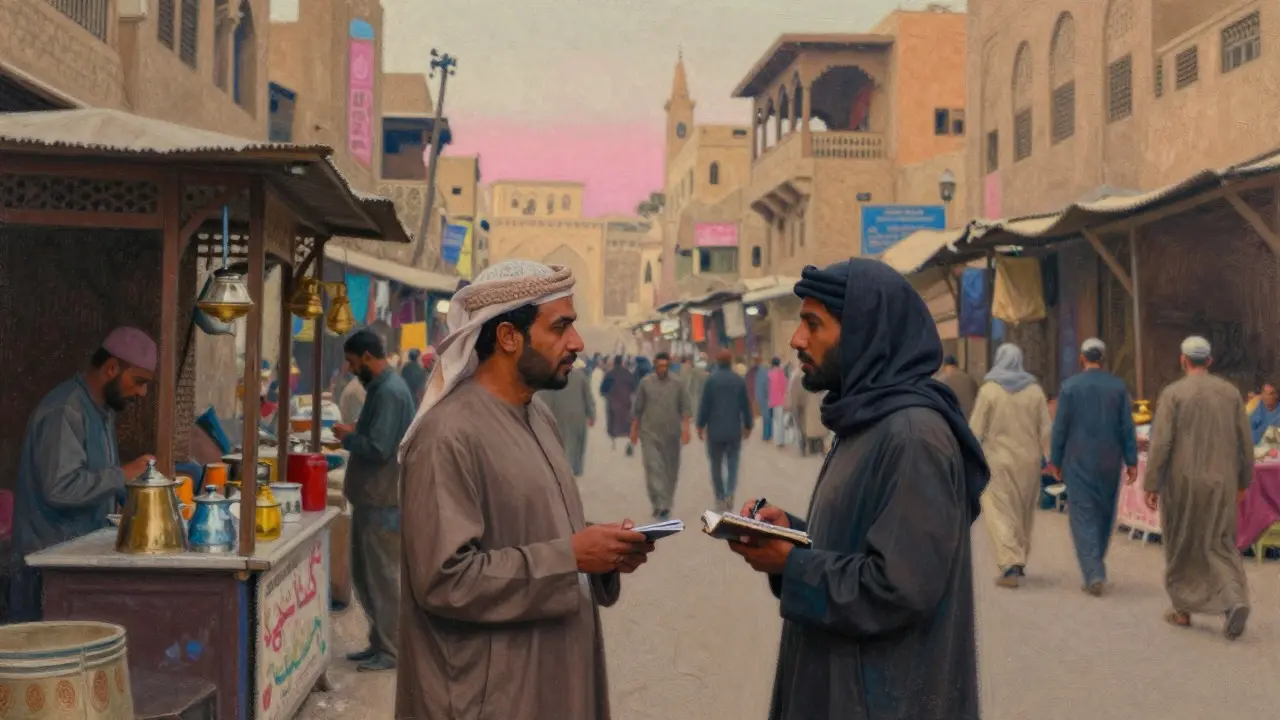
Buying Bitcoin in Cairo isn't as simple as clicking a button on a local exchange. In fact, you can't really do it that way at all. Because the Central Bank of Egypt is the regulatory body that enforces strict controls on digital assets under Law No. 194 of 2020, most domestic banks block transactions related to crypto. This creates a massive gap between the demand for digital assets and the official supply. As a result, millions of Egyptians have turned to peer-to-peer (P2P) trading to buy and sell coins using Egyptian Pounds directly with other users.
This underground ecosystem is not just a small hobby; it's a significant economic force. Projections suggest the Egyptian crypto market will generate around $690 million in revenue by 2025, serving a user base of approximately 11.3 million people. That’s nearly 10% of the population actively participating in a gray-market financial system. If you are looking to understand how this works, or if you are an investor trying to gauge the risk, here is how the machinery operates behind the scenes.
The Regulatory Gray Area: Why It’s Not Illegal, But Not Legal Either
To understand why Egyptians trade underground, you first need to grasp the legal landscape. The situation is often described as a "regulatory gray area." In 2020, the government passed Law No. 194 is a statute that prohibits issuing, trading, or promoting digital currencies without prior approval from the Central Bank of Egypt. On paper, this sounds like a total ban. However, the law does not explicitly criminalize holding or trading crypto for personal use. It targets the infrastructure-exchanges, issuers, and promoters.
This distinction is crucial. There are no licensed domestic exchanges in Egypt. Traditional banks are wary of processing large transfers labeled as "crypto" because they fear penalties from the CBE. So, where does that leave the average trader? They turn to international platforms that allow direct person-to-person transfers. These transfers look like standard bank payments or mobile money transactions to the banking system, bypassing the need for a local crypto license. It’s a workaround born out of necessity, allowing citizens to access global markets despite local restrictions.
How P2P Trading Works in Egypt
Peer-to-peer trading removes the middleman. Instead of depositing money into an exchange wallet and waiting for confirmation, you agree to a price with another user and send funds directly. Here is the typical workflow for an Egyptian trader buying Bitcoin:
- Select a Platform: Traders choose a major international exchange that supports P2P markets, such as Bybit is a leading cryptocurrency exchange known for its robust P2P marketplace and zero-fee trading for EGP pairs or Binance is a global exchange offering diverse deposit options and high liquidity for Egyptian users.
- Choose a Payment Method: Unlike centralized exchanges that might only accept bank wires, P2P allows for flexibility. Common methods include direct bank transfers, mobile wallets like Fawry or Orange Money, and even cash-in-hand deals in some cases.
- Escrow Process: Once a deal is agreed upon, the seller places their crypto in escrow (held by the platform). The buyer sends the EGP to the seller’s bank account.
- Confirmation: After the seller confirms receipt of funds, they release the crypto from escrow to the buyer’s wallet.
- Rating System: Both parties rate each other. High ratings indicate reliability, which is critical in a market without strong consumer protection laws.
This process relies heavily on trust, but the platform acts as a neutral arbiter. If a seller doesn’t release the coins after receiving payment, the buyer can open a dispute. The platform then reviews the transaction proof (bank transfer receipts) before deciding who gets the funds back. This mechanism reduces the risk of scams, which is a primary concern in any unregulated market.
Top Platforms Used by Egyptian Traders
Not all platforms are created equal when it comes to supporting the Egyptian market. Some offer better liquidity, lower fees, or more familiar payment methods. Based on current usage patterns and features, here is how the top contenders compare:
| Platform | Supported Assets | Fee Structure (P2P) | Key Features for Egypt |
|---|---|---|---|
| Bybit | 1,700+ Cryptocurrencies | 0% Maker/Taker Fees | Arabic interface, Shariah-compliant options, Apple Pay support |
| Binance | 3,500+ Cryptocurrencies | Variable (often 0.1%) | Highest liquidity, extensive EGP merchant network |
| Gate.io | 3,700+ Cryptocurrencies | Standard Spot Fees | Wide asset selection, good for altcoin traders |
Bybit has gained significant traction in Egypt recently due to its zero-fee structure on P2P trades. For traders moving larger amounts, saving on fees makes a tangible difference. Additionally, the platform offers an Arabic interface, which lowers the barrier to entry for less tech-savvy users. Binance remains the heavyweight champion of volume. If you want to execute a large trade quickly without slippage, Binance’s deep order books are hard to beat. However, users should be aware that fee structures can vary, and it’s always wise to check the specific terms for EGP pairs before executing a trade.
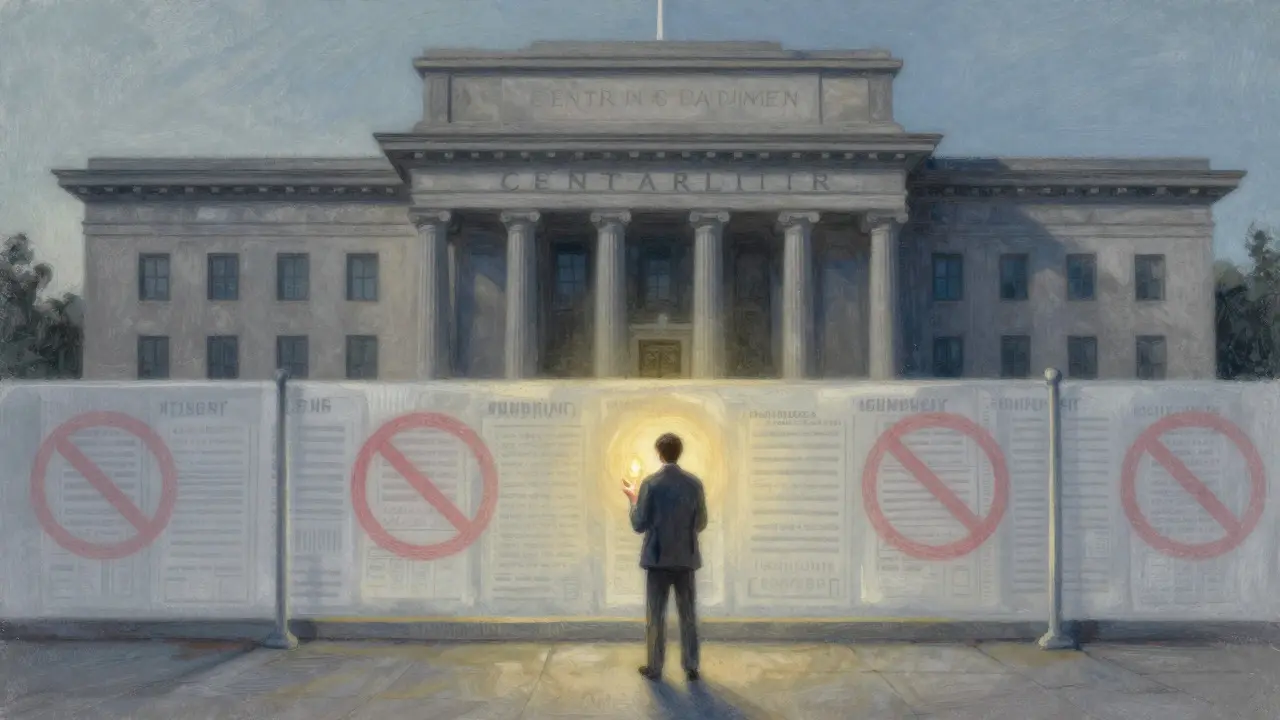
Navigating Banking Restrictions and Payment Risks
The biggest hurdle in Egyptian P2P trading isn’t finding a counterparty; it’s getting the money across the line. Banks in Egypt are cautious. If you send a large sum to a stranger with a note saying "Bitcoin purchase," your account could be frozen pending investigation. To mitigate this, experienced traders follow specific protocols:
- Use Neutral References: When making bank transfers, avoid writing "Crypto" or "BTC" in the reference field. Use generic terms or leave it blank if allowed.
- Start Small: When dealing with a new seller, start with a small amount to test the waters. Build up trust over several transactions before moving to larger sums.
- Keep Proof: Always save screenshots of the chat history, the bank transfer receipt, and the invoice number from the P2P platform. These documents are your only defense in a dispute.
- Diversify Payment Methods: Don’t rely solely on one bank. Using mobile wallets or different banks can help spread risk if one institution decides to scrutinize your activity.
Security is also paramount. Since there is no local regulator to call if things go wrong, self-custody is preferred. Many Egyptians keep their crypto in hardware wallets or non-custodial software wallets rather than leaving them on the exchange. This protects against exchange insolvency or sudden account freezes by the platform itself.
Religious and Cultural Considerations
In a country with a strong Islamic cultural foundation, the religious status of crypto matters. Early on, Dar al-Ifta is the highest Islamic authority in Egypt responsible for issuing religious rulings declared Bitcoin haram (forbidden) due to its volatility and lack of intrinsic value. However, opinions have shifted. More recent interpretations suggest that crypto can be considered halal (permissible) if it is used as a store of value or medium of exchange rather than purely for speculation.
This nuance influences trading behavior. Some traders specifically seek out Shariah-compliant tokens or stablecoins pegged to fiat currencies to minimize religious concerns. Platforms like Bybit have started highlighting these options to cater to this segment of the market. While this doesn't change the technical mechanics of P2P trading, it adds a layer of decision-making for many Egyptian investors who want to align their financial activities with their faith.
Risks and What to Watch Out For
Trading in a gray zone comes with inherent risks. You don’t have the same consumer protections as you would in the US or EU. Here are the main pitfalls to avoid:
- Counterparty Risk: Even with escrow, sellers can sometimes manipulate the system. Always verify that the bank account name matches the seller’s profile name exactly. Mismatches are a red flag for fraud.
- Regulatory Snapback: The government could tighten enforcement at any time. Keep an eye on news from the CBE. If they begin actively freezing accounts, you may need to switch to cash-based P2P or move funds abroad quickly.
- Liquidity Dips: During times of high volatility, spreads on P2P markets can widen. You might end up paying significantly more for Bitcoin than the global spot price. Check multiple sellers to get the best rate.
- Tax Uncertainty: Currently, tax rules for crypto gains in Egypt are unclear. Consult with a local accountant who understands digital assets to ensure you aren’t caught off guard by future legislation.
The ecosystem is resilient, but it requires vigilance. Traders who stay informed about both technical changes and regulatory shifts tend to succeed. Those who treat it like a normal stock trade often find themselves locked out of their accounts or facing bank inquiries.
Frequently Asked Questions
Is it illegal to hold crypto in Egypt?
Holding crypto is not explicitly illegal for individuals. The restriction under Law No. 194 of 2020 primarily targets unlicensed issuance, trading platforms, and promotion. However, because there are no licensed domestic platforms, most activity happens through international P2P networks, which exists in a regulatory gray area.
Which payment methods work best for P2P in Egypt?
Direct bank transfers are the most common, followed by mobile money services like Fawry and Orange Money. Cash transactions are also possible but carry higher physical security risks. The key is to use methods that provide clear, timestamped proof of payment for dispute resolution.
What is the safest way to store my crypto after buying via P2P?
For long-term holdings, a hardware wallet is recommended to protect against exchange hacks or account freezes. For active trading, keeping funds in a reputable international exchange wallet is acceptable, but diversifying across two platforms can reduce single-point-of-failure risk.
Do I need to pay taxes on my crypto profits in Egypt?
Tax legislation regarding cryptocurrency capital gains is currently undefined. Most traders operate without reporting these gains, but this carries compliance risk. It is advisable to consult with a specialized tax advisor to prepare for potential future regulations.
Can I use Bybit or Binance without a local ID?
Yes, but you must complete KYC (Know Your Customer) verification using your national ID or passport. The platforms accept Egyptian identification documents. Without KYC, trading limits are very low, making P2P trading impractical for most users.


Wow, this is a wild look at how people actually move money when the system says no. It’s fascinating to see that in Cairo, you can’t just click a button like we do here because the Central Bank has basically walled off digital assets under Law No. 194 of 2020. Most domestic banks block these transactions, creating a huge gap between what people want and what they can legally buy. So, millions of Egyptians have turned to peer-to-peer trading to use Egyptian Pounds directly with other users. This isn't just a hobby; it's a massive economic force. Projections suggest the market will hit around $690 million in revenue by 2025, serving about 11.3 million people. That’s nearly 10% of the population participating in a gray-market financial system! The legal landscape is tricky because while it sounds like a total ban, the law doesn't explicitly criminalize holding or trading for personal use. It really only targets the infrastructure like exchanges and issuers. Since there are no licensed domestic exchanges, traditional banks are super wary of processing transfers labeled as crypto. This forces traders to use international platforms where transfers look like standard bank payments. It’s a clever workaround born out of pure necessity. The process relies heavily on trust but uses escrow to protect both sides. If a seller doesn’t release coins, the platform steps in as a neutral arbiter. This mechanism helps reduce the risk of scams in an unregulated space. It shows how resilient human ingenuity is when faced with restrictive regulations.
Let's be real, this whole 'underground' thing is just a liquidity trap waiting to happen. The CBE controls the fiat on-ramp, so any significant volume spike is going to trigger algorithmic flags on those bank accounts. You're relying on counterparty trust in a jurisdiction with zero consumer protection? That's not a strategy, that's a liability matrix. The spreads on EGP pairs are going to eat your alpha before you even touch the asset class. Just wait until the regulatory snapback hits and everyone is scrambling to exit. Classic boom-bust cycle fueled by FOMO and lack of institutional oversight. Don't expect the 'gray area' to stay gray for long once the tax man gets involved.
You think this is sophisticated? It's just primitive barter dressed up in tech jargon. Real investors don't rely on mobile wallets like Orange Money to execute trades. They understand that without a robust legal framework, you are essentially gambling on the honor system. The fact that they need to hide their transaction references tells you everything about the state of their financial infrastructure. It's a testament to the inefficiency of trying to build modern markets on top of archaic banking systems. I suppose if you enjoy living in uncertainty, this is your playground. But for serious capital allocation, look elsewhere. The risk-adjusted return here is negligible compared to established markets.
It is interesting to see how cultural and religious factors play into this too. The shift from haram to halal interpretations really changes how people approach holding assets. Many are looking for Shariah-compliant options to feel more secure in their investments. It adds another layer of complexity that Western traders might not consider. The use of local payment methods like Fawry also makes it much more accessible for everyday people who might not have access to high-end banking services. It shows how localized solutions can emerge to fill the gaps left by regulation.
Oh, please. Another example of third-world inefficiency being packaged as 'resilience.' The fact that they have to manually verify bank names because they can't trust their own central bank is embarrassing. And let's not forget the tax uncertainty! That is a ticking time bomb. If you are buying BTC in Egypt, you are not an investor, you are a speculator playing Russian roulette with your principal. The spreads are likely astronomical during volatility, meaning you are paying a premium for the privilege of being trapped. Do not romanticize the struggle. It is simply a lack of rule of law. Until they fix their banking sector, all this P2P talk is just noise.
It just feels so exhausting for them though. Like, why does it have to be this hard? I mean, we just click a button and done. For them, it's checking screenshots, saving receipts, worrying about frozen accounts... it's a lot of mental load just to buy some coins. I hope the platforms keep improving the UI for Arabic speakers. Bybit having that interface is a big plus for sure. It's nice that they are thinking about the user experience in such a tough environment. Makes me feel a bit better knowing tech is helping bridge the gap a little bit.
The escrow system is really the backbone of this whole setup. Without it, the scam rate would probably be insane. It gives people a safety net when dealing with strangers. I think a lot of people underestimate how important that neutral arbiter role is. It turns a risky handshake deal into something a bit more structured. It’s simple but effective. Shows you don't always need complex laws to make things work. Just need a trusted middleman. In this case, the app is the middleman. Pretty neat solution to a messy problem.
From a UK perspective, this seems incredibly chaotic, yet remarkably functional! The reliance on mobile money like Fawry is quite intriguing, as we don't have quite the same ecosystem here. It highlights how different financial infrastructures shape crypto adoption. The mention of Shariah compliance is also a very specific cultural nuance that is often overlooked in Western-centric crypto discussions. It’s fascinating to see how local needs drive the evolution of global platforms. One wonders if similar models could work in other regions with strict capital controls.
It’s a perfect example of how necessity drives innovation. When the official channels are blocked, people find a way. The use of P2P isn't just a workaround; it's a statement of independence. I appreciate how the article breaks down the steps clearly. It demystifies the process for outsiders. The focus on keeping proof of payment is crucial advice. In a world without strong consumer rights, documentation is power. It’s a lesson we could all learn, regardless of where we live. Trust, but verify. Especially in the digital age.
Okay, so let's break down the liquidity implications here. With 11.3M users, that's a massive user base, but the depth of the order books on EGP pairs is still questionable compared to USD. You're going to see significant slippage on large orders. The spread widening during volatility is a real killer for HODLers trying to enter or exit positions. Also, the KYC requirements using national IDs create a single point of failure if the government decides to revoke access. It's a high-risk, high-reward scenario, but the reward might not justify the operational friction. Keep an eye on the CBE announcements; one tweet could change the game overnight.
So basically they are running a black market inside a white market. Sounds like a recipe for disaster. Who is auditing these P2P deals? Nobody. Which means the data is garbage. You can't trust the volume numbers either. It's all self-reported. I bet half the trades are wash trades to boost ratings. The whole system is built on sand. Wait for the first major hack or rug pull and watch the panic. These people are not protected. Not by law. Not by banks. Just by each other. And we know how reliable that is. Pure chaos. Love it. Can't wait to see it collapse.
In India, we had similar issues with UPI restrictions for crypto. People used P2P heavily then too. The difference is our banking system is slightly more digitized and integrated. But the core problem remains: central bank resistance. It creates a shadow economy. Whether it is Cairo or Mumbai, the result is the same. Citizens bypass the state. The state tries to catch up. It is a cat and mouse game. Eventually, the state wins or the citizens move abroad. There is no middle ground in the long run. Regulation will always tighten. It is inevitable.
The cultural dimension of this story is perhaps its most compelling aspect. To navigate both financial and religious constraints requires a level of dexterity that is rarely seen in mainstream finance. The acceptance of stablecoins as a potential 'halal' store of value represents a significant theological evolution. It suggests that Islamic jurisprudence is adapting to technological realities rather than rejecting them outright. This adaptation could serve as a model for other Muslim-majority nations facing similar regulatory hurdles. It demonstrates that tradition and innovation are not mutually exclusive, provided there is a clear understanding of the underlying principles.
Oh my gosh, did you guys notice the part about freezing accounts?! That is SO scary! Imagine sending money and then your bank calls you asking why you bought 'that weird internet money'. It’s literally a nightmare fuel situation. I feel so bad for anyone doing this daily. It must be so stressful to check your account every day. Are they really just trusting each other? What if someone lies? Drama city over here. I wouldn't last a week. Too many variables. Too much risk. Just stick to stocks, people! Safe and sound. No surprises. Unless the market crashes, but that's a different kind of drama. Still less personal than getting investigated by your bank!
Actually its pretty obvious they are just laundering money. Crypto is just the excuse. The real reason they use P2P is to move cash out of the country without declaring it. The 'investment' angle is a smokescreen. Look at the exchange rates. The parallel market dollar is way higher than the official one. Buying crypto is just a way to hold value against inflation. Its not about bitcoin its about survival. Stop pretending its a tech revolution. Its basic economics. Poor people protecting their wealth from a failing currency. Always has been. Always will be. The tech is just the new tool. The motive is old.
Let's dissect the fee structure here. Bybit offering 0% maker/taker fees is a massive competitive advantage in a low-margin market. When you're dealing with spreads that can be 1-2%, shaving off that 0.1% Binance fee is pure profit. It’s a smart play to capture market share in emerging economies. The liquidity depth on Binance is superior, yes, but the cost of entry matters for retail. We're seeing a classic price-volume trade-off. High volume vs. low cost. Traders will split their flow based on size. Small trades go to Bybit, large blocks go to Binance. It’s a segmented market forming in real-time. Watch out for the altcoin selection on Gate.io too. Niche players are carving out their own turf. The ecosystem is diversifying rapidly. Don't sleep on the mid-tier platforms.
So, you're telling me I should trust a random stranger on the internet with my bank details? Bold move. But hey, if it works for them, good for them. I guess 'trust but verify' takes on a whole new meaning when you're verifying via screenshot. I'd love to see the stats on failed disputes. Bet it's higher than the success rate of most startups. But sure, keep the receipts. Paper trails are nice. As long as the paper trail doesn't lead to a police station. Ha. Irony. Anyway, nice guide. Very thorough. Almost too thorough. Makes me want to try it. Or maybe not. Depends on my mood. And the price of gas. Which is also volatile. Everything is volatile. Except my skepticism. That stays constant.
Nice breakdown, folks. Just remember, in any P2P market, the rating system is king. A low-rated seller is a red flag, no matter how good the price looks. I've seen too many people get burned chasing a 0.5% discount. Start small, as the article says. Build trust. It's not rocket science, but it's easy to mess up. Also, keep your wallet separate from your main holdings. Security first. Don't let greed cloud your judgment. Stay safe out there. And yeah, the religious aspect is real. Don't ignore it. It affects decision-making more than people admit. Good luck to all the traders in Cairo. May your spreads be tight and your banks be blind.
This is such a great read! 🌟 It really opens your eyes to how different the crypto experience can be depending on where you live. I love that they are using local payment methods like Fawry. It makes it so much more accessible! 💖 The part about the religious rulings changing is also really cool. It shows how society is evolving. I hope more platforms start adding Arabic interfaces. It’s a small thing but it makes a big difference. 👍 Let’s keep supporting these underground efforts! They are truly inspiring. 🚀
One must acknowledge the sheer audacity required to operate within such a constrained regulatory environment. The Egyptian populace has demonstrated a remarkable capacity for financial improvisation. The utilization of P2P mechanisms is not merely a convenience; it is a strategic imperative for asset preservation. The interplay between statutory prohibition and practical necessity creates a unique sociological phenomenon. It challenges the conventional wisdom that state control is the primary driver of monetary stability. Instead, we observe a grassroots movement towards decentralization, driven by fear of devaluation. This is a profound shift in economic behavior. It warrants serious academic study. The implications for future monetary policy in developing nations are significant. We are witnessing the birth of a new financial paradigm, forged in the fires of restriction.
It’s honestly heartbreaking to see how hard people have to work just to participate in the global economy. Like, imagine having to worry about your bank freezing your account just because you wanted to save your money differently. It’s a lot of pressure. But it’s also amazing how resourceful they are. Using mobile wallets and cash deals shows a lot of creativity. I really hope the situation improves for them soon. Maybe the regulations will soften? It’s a tough spot to be in. You just want to feel secure in your finances, right? It’s a universal desire. And seeing how they navigate these obstacles gives me a lot of respect. They are fighting for their financial freedom. Quietly, but firmly. It’s a beautiful resilience.
Ugh, why is it always so complicated over there? 😤 Here in the US, we just use Coinbase or Kraken. Done. Why do they have to do all this P2P nonsense? Seems like a breeding ground for scams. 🙄 I mean, sure, it’s 'creative', but creativity isn't the same as efficiency. I bet the average transaction time is forever. And the fees? Probably hidden everywhere. Just glad I don't have to deal with that. My banks are annoying enough. At least they don't freeze my account for buying Bitcoin (usually). 📉📈 Just saying. Make it easier for everyone, please. Less drama, more liquidity. That’s my take. #CryptoLife #MakeItSimple
cool post. i didnt know egypt was this active. thought they were more behind on tech stuff. but apparently 10% of pop is trading? thats crazy. i guess when the gov blocks stuff people find a way. reminds me of how people used to swap zines or music tapes back in the day. just different medium now. kinda wild how banks are still the bottleneck. we are in the 21st century and you cant just send money easily? whatever. nice write up tho. made me think about how lucky we are with our banking setup. or maybe not. depends on who you ask. anyway. keep it up.
Of course it’s underground. Who else would allow this chaos? The elites in Cairo are definitely siphoning off the best deals while the common folk risk their life savings. It’s a classic divide. The rich have offshore accounts. The poor use P2P. And the government plays dumb. They know exactly what’s happening. They’re just waiting for the bubble to burst so they can blame the 'speculators'. It’s all a setup. The Central Bank isn't protecting the people; they're protecting their own power. Every time a new currency comes along, the same script repeats. Control, suppress, crash, recover. Wake up, people. Don't fall for the 'financial freedom' hype. It’s a trap. A very expensive, illegal trap. And the ones writing these guides? They’re just feeding the machine. Enjoy the ride while it lasts. It won’t.
Oh, darling, this is absolutely riveting! 😲 I never knew there was so much drama in the Egyptian crypto scene! It’s like a telenovela but with Bitcoin instead of romance! I love the part about the religious rulings shifting. That’s so dramatic! From haram to halal in the blink of an eye! Who are these scholars anyway? Can’t they just pick a side? 😂 But seriously, the risk of frozen accounts is terrifying. I’d be shaking in my boots! I hope they all wear comfortable shoes because they’re walking a tightrope! This is the most exciting thing I’ve read all week. More of this, please! I need my daily dose of financial suspense! 🎭💸