
How to Launch a Social Token in 2026: A Step-by-Step Guide for Creators
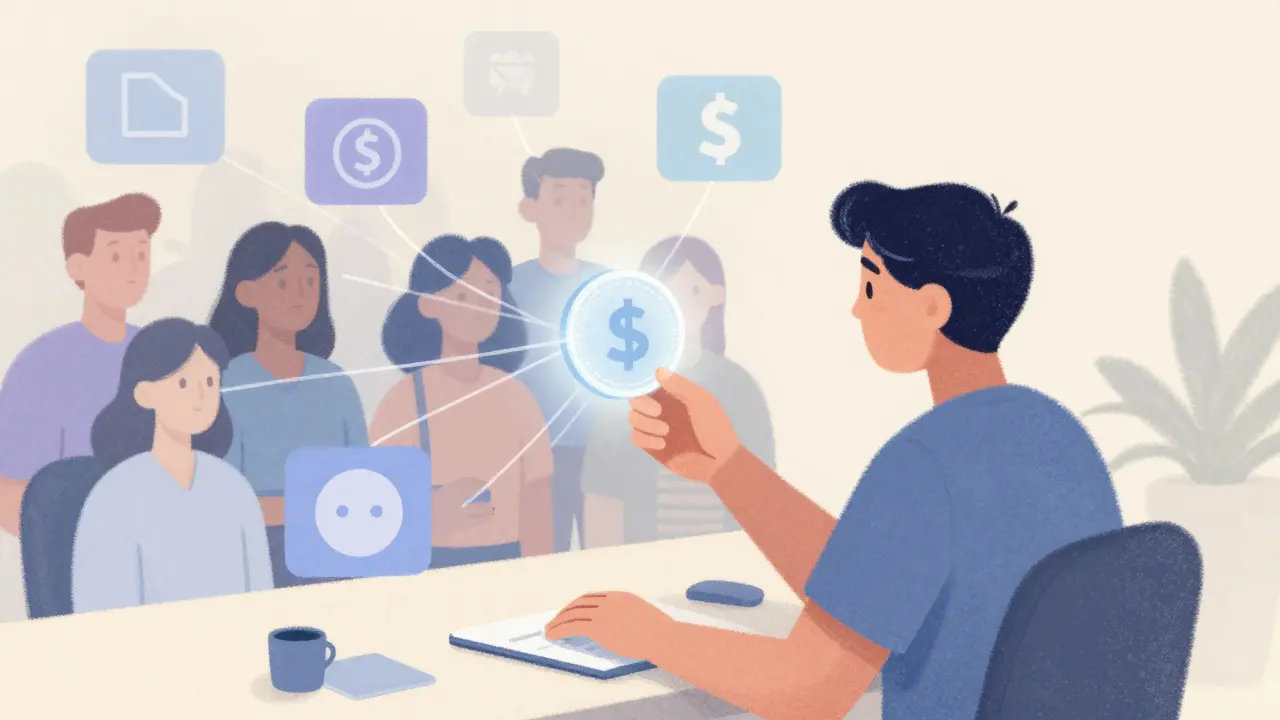
You’ve built an audience. You’ve created content that resonates. But traditional monetization feels like a leaky bucket-platforms take their cut, algorithms change overnight, and you’re always chasing the next viral moment. What if your most engaged fans could invest directly in your success? That’s exactly what social tokens are designed to do. They aren’t just another crypto trend; they are a direct economic bridge between you and your community. In 2026, with over 4.2 million creators using them to generate billions in revenue, launching one is no longer just for tech insiders. It’s a viable business model for musicians, educators, and digital artists who want true ownership of their fanbase.
But here’s the hard truth: launching a social token isn’t as simple as hitting a ‘publish’ button on a blog post. It involves smart contracts, regulatory gray areas, and complex tokenomics. Get it wrong, and you risk losing money or credibility. Get it right, and you unlock recurring revenue that scales with your influence. This guide cuts through the hype and gives you the concrete steps to launch a social token that actually works.
What Exactly Is a Social Token?
A social token is a cryptocurrency issued by a creator or community to represent value tied to their social capital. Unlike Bitcoin, which aims to be digital gold, or Ethereum, which powers decentralized apps, a social token’s value is intrinsically linked to you. If people believe in your future output, the token holds value. If you disappear, it likely crashes.
Think of it like this: Patreon gives you monthly subscriptions. A social token gives your supporters a stake in your ecosystem. They might use it to access exclusive Discord channels, vote on your next project direction, or buy limited-edition merch at a discount. The key difference from NFTs is utility versus collectibility. While an NFT is a one-time purchase of a specific asset (like a JPEG), a social token is often used for ongoing access and governance. Data from 2024 showed creators generated 3.2x more recurring revenue from social tokens than from NFT drops alone.
Before You Start: Are You Ready?
Not every creator needs a social token. In fact, Harvard Business Review analysis suggests projects without at least 10,000 highly engaged followers face an 82% failure rate. Don’t launch one just because it’s trendy. Ask yourself three questions:
- Do I have a loyal core? You need at least 5,000-10,000 active followers who already spend time or money with you. If you can’t sell a $5 PDF, a $50 token won’t fly.
- Can I deliver exclusive value? Tokens must offer something unique-early access, private calls, voting rights. Without clear utility, your token becomes a speculative bet, which attracts the wrong kind of attention.
- Am I prepared for volatility? Your token price will fluctuate based on your activity, news, and market sentiment. One bad tweet can drop your token 70%. Are you mentally ready for that pressure?
If you answered yes to these, you’re in the right place. If not, focus on growing your community first. Tokens amplify existing momentum; they don’t create it from scratch.
Choosing Your Blockchain: Ethereum vs. Solana
The technical backbone of your token matters more than you think. It affects cost, speed, and user experience. Here’s how the top two options stack up in 2026:
| Feature | Ethereum | Solana |
|---|---|---|
| Transaction Speed | 15-30 TPS (without L2) | Up to 65,000 TPS |
| Avg. Transaction Cost | $2-$50 (highly variable) | ~$0.01 |
| Token Standard | ERC-20 | SPL |
| User Wallets | MetaMask, Coinbase Wallet | Phantom, Solflare |
| Best For | High-value assets, established Web3 users | High-frequency interactions, new crypto users |
Ethereum remains the gold standard for security and liquidity. Most major exchanges list ERC-20 tokens first. However, gas fees can still spike during high traffic, making small transactions painful for fans. Solana offers blazing speed and near-zero costs, which is great for micro-transactions and gaming-like integrations. But it has a history of network outages, though recent upgrades like Firedancer in early 2025 have improved stability significantly. For most creators starting out, Solana’s low barrier to entry makes it easier for non-crypto-savvy fans to participate.

Designing Your Tokenomics: The Blueprint
Tokenomics is the economics of your token. It dictates supply, distribution, and utility. Mess up this step, and your project fails. Here’s a proven framework:
- Total Supply: Decide how many tokens exist forever. A fixed supply (e.g., 100,000) creates scarcity. An infinite supply with burning mechanisms can work but is harder to manage. Start small. Scarcity drives initial value.
- Distribution: How do tokens get into hands? Typically:
- 40-50% sold to the public/community via fair launch or private sale.
- 20-30% reserved for team/advisors (with vesting).
- 10-20% allocated for marketing, partnerships, or treasury.
- Vesting Schedules: Never give your team tokens all at once. Use a 6-12 month vesting period with a 1-3 month cliff. This shows investors you’re committed long-term. Projects with transparent vesting saw 44% higher trust scores in 2024 surveys.
- Utility Mapping: Define exactly what tokens do. Examples:
- 100 tokens = Access to monthly live Q&A.
- 1,000 tokens = Vote on next album track order.
- Holding any amount = Discount on merch store.
Clarity is king. Publish a simple one-page doc explaining these rules before you write a single line of code.
Step-by-Step Launch Process
Launching takes 3-6 months minimum. Rushing leads to critical errors. Follow this sequence:
1. Build the Community Foundation
Engage your audience about the idea. Run polls. Ask what utilities they want. This pre-launch phase builds anticipation and ensures demand exists. Don’t announce the token until you have a waitlist.
2. Develop the Smart Contract
You can code this yourself if you know Solidity (for Ethereum) or Rust (for Solana). But most creators shouldn’t. Hire a reputable developer or use a no-code platform like Rally or TokenMinds. Cost: $5,000-$15,000 for custom development plus audit. Do not skip the audit. In 2024, 18% of social tokens had critical vulnerabilities. An audit from firms like CertiK costs extra but saves you from catastrophic hacks.
3. Set Up Treasury Management
Use a multi-signature wallet (like Safe) for your project’s funds. Require 2-of-3 keys to move money. This prevents a single compromised account from draining your treasury. Time-lock large distributions to prevent sudden dumps.
4. Private Sale & Liquidity
Start with a private sale to your core 100-500 fans. Offer a slight discount to reward early belief. Then, provide liquidity on a decentralized exchange (Uniswap for Ethereum, Raydium for Solana). Lock the liquidity pool for 6-12 months to prove you won’t rug pull.
5. Public Launch & Marketing
Go live. Promote heavily on Twitter, Discord, and TikTok. Host AMAs (Ask Me Anything). Ensure your website clearly explains how to buy, store, and use the token. Integrate token-gating tools to automatically grant access to holders.
6. Post-Launch Maintenance
This is where most fail. You must consistently deliver the promised utility. Hold events. Release content. Engage in governance. Track metrics weekly. Adjust based on feedback.
Navigating Legal Gray Areas
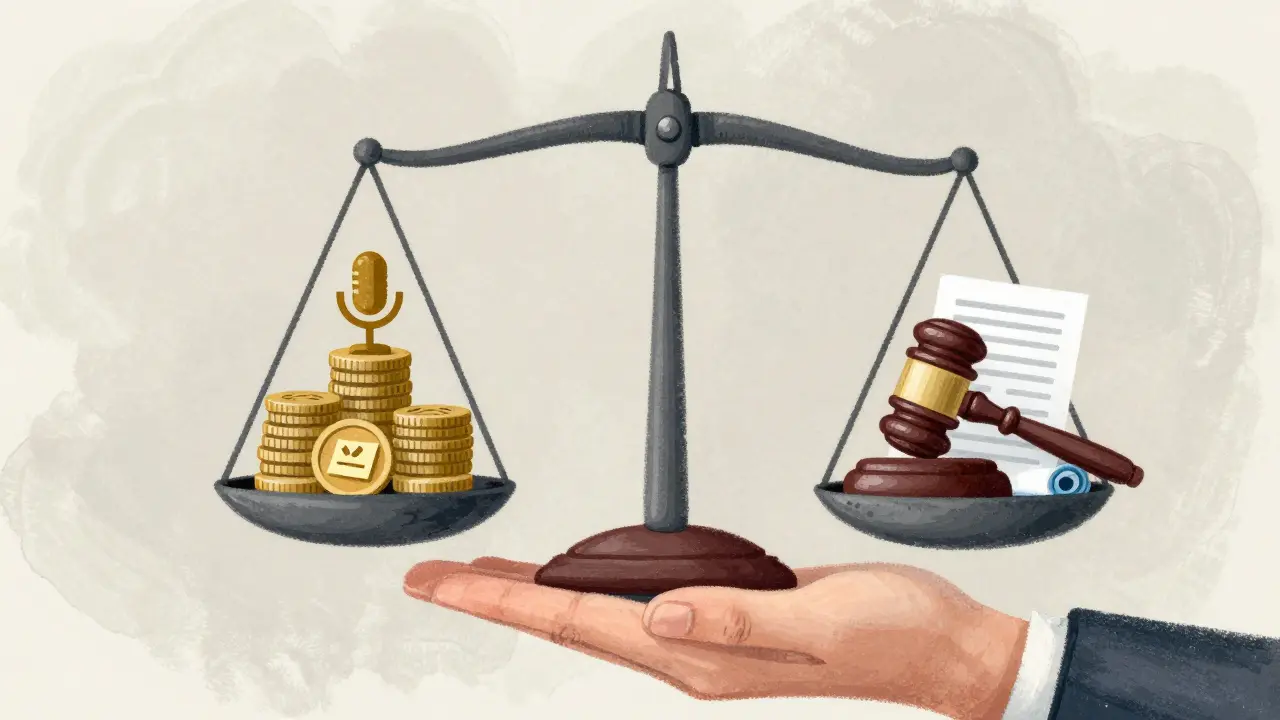
This is the scariest part. In the US, the SEC views many social tokens as securities if they promise profit from others’ efforts. Their 2024 Framework placed 41% of social tokens in legal limbo. To mitigate risk:
- Focus on Utility, Not Profit: Market your token as access to services/content, not an investment vehicle. Avoid language like “ROI” or “price appreciation.”
- Geofencing: Block US IP addresses from buying if you haven’t registered as a security. Many platforms do this automatically.
- Consult a Lawyer: Spend $2,000-$5,000 on a crypto-specialized attorney. It’s cheaper than an SEC fine.
- EU Advantage: If you’re based in Europe, MiCA regulations provide clearer paths for utility tokens. Consider incorporating there.
Regulatory clarity is improving, but caution is still mandatory. Transparency protects you.
Common Pitfalls to Avoid
Learning from others’ mistakes saves you time and money:
- Overpromising Utility: Don’t promise features you can’t build. Under-promise, over-deliver.
- Ignoring Security: Never share private keys. Use hardware wallets. Audit everything.
- Poor Communication: Silence kills trust. Update your community weekly, even if there’s no big news.
- Chasing Hype: Don’t launch because your friend did. Launch because your community asked for it.
- Complex Onboarding: Make buying easy. Integrate credit card on-ramps via MoonPay or Stripe Crypto. Friction loses sales.
Is It Worth It in 2026?
The data says yes-if done correctly. The creator economy hit $250 billion globally, with social tokens capturing a growing slice. Platforms like Coinbase now integrate social tokens directly, reducing friction. Tools are cheaper. Knowledge is widespread.
But remember: a social token is a responsibility. It ties your financial reputation directly to your creative output. It’s not a get-rich-quick scheme. It’s a tool for deepening relationships with your most loyal supporters. If you’re willing to put in the work, it’s one of the most powerful ways to own your career in the digital age.
How much does it cost to launch a social token?
Costs vary by blockchain and complexity. On Solana, basic deployment can cost under $100. On Ethereum, gas fees alone range from $200-$1,100. Add $5,000-$15,000 for professional smart contract development and auditing. Total realistic budget: $6,000-$16,000 for a secure, audited launch.
Do I need coding skills to launch a social token?
No. You can use no-code platforms like Rally, TokenMinds, or CoinTool. These handle contract deployment and UI creation. However, you still need to understand basic concepts like supply, vesting, and security to configure settings correctly.
Are social tokens legal in the United States?
It’s complicated. The SEC may classify them as securities if they promise profits. To stay compliant, focus on utility (access, voting) rather than investment returns. Geofence US buyers unless you register with the SEC. Consult a crypto lawyer before launch.
What’s the best blockchain for beginners?
Solana is currently best for beginners due to near-zero transaction fees and fast speeds. This reduces friction for fans buying small amounts. Ethereum has better liquidity and exchange support but higher costs and complexity.
How do I prevent my token from crashing?
You can’t control market sentiment, but you can stabilize value through consistent utility delivery, transparent communication, and locked liquidity pools. Vest team tokens to prevent large dumps. Engage your community daily to maintain interest.
Can I recover funds if my smart contract gets hacked?
Usually no. Blockchain transactions are irreversible. This is why audits and multi-sig wallets are critical. Always test on testnets first. Keep only essential funds in the main contract treasury.