
SWAPP Protocol Airdrop: What We Know and How to Stay Safe

The promise of free tokens is powerful. It drives thousands of wallets to connect to new protocols every day. But when it comes to the SWAPP Protocol, you need to hit the brakes hard. Right now, there is no verified, official information confirming a legitimate SWAPP Protocol airdrop. In fact, the silence from official channels is deafening. If you see a site claiming you can claim SWAPP tokens right now, it is almost certainly a trap designed to drain your wallet.
In May 2026, the landscape of decentralized finance has matured significantly. Scammers have become sophisticated, mimicking legitimate projects with high-fidelity websites and fake social media accounts. Before you risk even one dollar in gas fees or connect your wallet to an unknown contract, we need to separate the hype from the reality. This guide will walk you through how to verify if this project exists, how to spot the red flags, and what actual steps you should take to protect your assets while waiting for legitimate opportunities.
Is There Really a SWAPP Protocol?
First, let’s address the elephant in the room. You might be hearing about "SWAPP" from Telegram groups, Twitter threads, or YouTube videos promising early access. But where is the official source? A legitimate protocol like Uniswap or Aave has a clear digital footprint. They have audited smart contracts, published whitepapers, and active development repositories on GitHub.
When I searched for authoritative sources on SWAPP Protocol, the results were empty. No credible news outlets covered a launch. No major audit firms like CertiK or OpenZeppelin released reports for their code. Without these foundational elements, the project does not exist in the public record. This absence is not just a gap; it is a warning sign. In crypto, if you cannot find the official website and verified social handles without clicking through suspicious links, you are likely looking at a clone.
The Anatomy of a Fake Airdrop
Scammers don’t just guess names. They look at trending topics. If a real project named SWAPP was rumored but not launched, scammers would rush to create a fake version. Here is how they operate:
- Fake Websites: They build sites that look professional, often using templates similar to legitimate DeFi platforms. The URL might look slightly off, like
swapp-protocol-official.cominstead of a clean domain. - Social Engineering: They use bots to post comments on popular crypto influencers’ posts, directing people to "claim now."
- Wallet Drainers: When you connect your wallet to their "claim" page, you aren’t receiving tokens. You are signing a transaction that grants them permission to move all your existing assets-ETH, USDC, NFTs-out of your wallet.
This isn’t theoretical. In 2025 alone, millions of dollars were lost to airdrop scams that mimicked legitimate Layer 2 networks and DeFi protocols. The pattern is consistent: urgency, secrecy, and a request for wallet connection before any value is delivered.
How to Verify Legitimacy: A Step-by-Step Checklist
You don’t need to be a blockchain expert to stay safe. You just need a process. Before engaging with any project claiming to offer an airdrop, run it through this verification routine.
- Check Official Channels: Go directly to the project’s known official Twitter or Discord. Do not click links in bio unless you have independently verified the handle. Look for announcements signed by the team.
- Verify Smart Contracts: Use tools like Etherscan or BscScan. Legitimate tokens have verifiable contract addresses. If the contract is unverified or newly created with zero history, walk away.
- Look for Audits: Reputable protocols undergo security audits. Find the audit report. If they claim to be audited but link to a non-existent PDF or a generic template, it’s a lie.
- Community Sentiment: Join their Discord or Telegram. Are real humans discussing features? Or is it filled with bots saying "GM" and "Claim now"? Real communities ask technical questions. Fake ones only talk about price and claims.
If SWAPP Protocol fails any of these checks, treat it as malicious until proven otherwise. The burden of proof is on the project, not you.

Red Flags That Scream "Scam"
Even if a project seems plausible, certain behaviors are immediate deal-breakers. Watch out for these specific indicators:
| Red Flag | What It Means | Action to Take |
|---|---|---|
| "Connect Wallet to Claim" before KYC | They want access to your assets immediately. | Disconnect and block. |
| No Whitepaper or Roadmap | There is no product, only a cash grab. | Avoid entirely. |
| Urgency Tactics ("Ends in 1 Hour") | Designed to bypass your critical thinking. | Wait. Real airdrops last days or weeks. |
| Anonymous Team with No Track Record | No accountability if things go wrong. | High risk. Proceed with extreme caution. |
Remember, legitimate projects like Arbitrum or Optimism took months to plan their distribution strategies. They didn’t rush users into connecting wallets via random links. Speed is the enemy of security.
Protecting Your Wallet in 2026
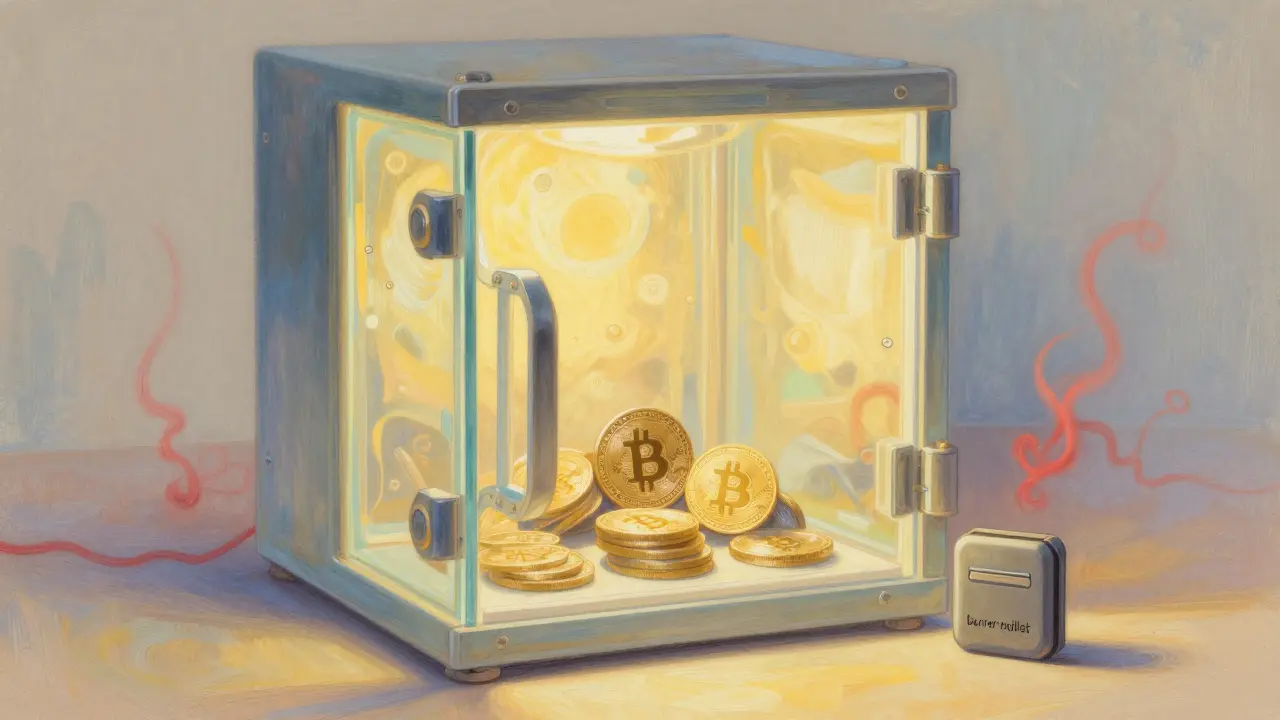
Your best defense is a good offense. Start by isolating your assets. Never keep your main holdings in the same wallet you use to interact with new, unverified protocols. Use a "burner wallet"-a separate MetaMask or Rabby Wallet instance with minimal funds. If you get drained, the loss is contained.
Additionally, revoke permissions regularly. Tools like Revoke.cash allow you to see which contracts have access to your tokens and remove those permissions. If you accidentally connected to a shady SWAPP site, revoke that access immediately. It’s like changing your password after realizing you clicked a phishing link.
Also, enable multi-signature requirements for large transactions. Services like Gnosis Safe require multiple approvals for outgoing transfers, adding a layer of protection against unauthorized drains.
What If SWAPP Is Real?
Let’s assume, for argument’s sake, that SWAPP Protocol is a legitimate project that hasn’t announced its airdrop yet. In that case, patience is your greatest asset. Legitimate airdrops reward genuine usage. This means interacting with the protocol’s testnet, providing liquidity, or participating in governance discussions-not just clicking a button.
If you want to position yourself for future opportunities, focus on building a strong on-chain history. Use reputable Layer 2 networks, swap tokens on established DEXs, and engage with DAOs. These actions signal to protocols that you are a valuable user. When a real SWANN or similar project launches, your activity history could make you eligible. But never chase rumors. Chase utility.
Alternatives to Consider
Instead of gambling on unverified projects, consider exploring established ecosystems with transparent airdrop histories. Projects like LayerZero, StarkNet, and zkSync have provided significant value to early users who engaged safely. Study their methods. Learn how they distributed tokens. Apply those lessons to your own strategy. This approach is slower, but it keeps your capital intact.
Is the SWAPP Protocol airdrop legit?
As of May 2026, there is no verified evidence of a legitimate SWAPP Protocol airdrop. Lack of official announcements, audits, or credible news coverage suggests that any current claims are likely scams. Always verify through official channels before engaging.
How can I tell if an airdrop is a scam?
Look for red flags such as requests to connect your wallet before any action, anonymous teams, lack of audits, and urgent time limits. Legitimate projects provide clear documentation, verified social media handles, and transparent roadmaps.
What should I do if I already connected my wallet to a SWAPP site?
Immediately use a tool like Revoke.cash to revoke all permissions granted to that contract. Move any remaining assets to a new, secure wallet. Monitor your transaction history for any unauthorized movements.
Are there any safe airdrops to participate in right now?
Focus on well-known protocols with active development and community engagement. Ecosystems like Ethereum Layer 2s, cross-chain bridges, and decentralized storage networks often reward early adopters. Always prioritize safety over speed.
Why do scammers target airdrop hunters?
Airdrop hunters are motivated by potential gains, making them more likely to overlook security warnings. Scammers exploit this urgency by creating fake opportunities that mimic legitimate projects, hoping users will skip verification steps.