

CBSN Airdrop Guide: How to Claim CMC StakeHouse Game Rewards from BlockSwap Network
Jonathan Jennings
BaaS Explained: What It Is and How It Powers Blockchain Services
When you hear BaaS, Blockchain as a Service. Also known as blockchain cloud service, it lets businesses deploy and manage blockchain networks without handling the underlying tech themselves. Think of it like renting a server—but instead of hosting a website, you’re running a blockchain. Companies use BaaS to cut costs, avoid complex setup, and focus on building apps that actually matter—like supply chain trackers, identity systems, or tokenized assets. You don’t need to be a coder to use it. You just need a problem that needs trust, transparency, and tamper-proof records.
BaaS isn’t just for big tech. It’s used by banks, logistics firms, even governments trying to digitize records without giving up control. Platforms like Azure Blockchain Service, AWS Managed Blockchain, and IBM Blockchain Platform handle the heavy lifting: node management, consensus rules, security patches. That means you skip the headaches of keeping servers online, syncing data across continents, or fixing broken consensus engines. But here’s the catch: if you rely on BaaS, you’re trusting someone else’s infrastructure. That’s fine for many use cases—but if your goal is true decentralization, you’re trading control for convenience. Running your own node keeps the network honest. BaaS makes it easy. But easy doesn’t always mean secure.
What you’ll find in the posts below are real-world examples of platforms that claim to offer blockchain services—but don’t always deliver. Some are scams pretending to be decentralized exchanges. Others are overhyped platforms with zero trading volume or hidden risks. You’ll see reviews of exchanges like BCEX Korea, TRIV, and Web3.World—places that sound like they should be using BaaS to scale, but instead are missing basic features, audits, or even real users. These aren’t abstract concepts. They’re live platforms people are using—or getting burned by. Whether you’re evaluating a crypto exchange, checking a token’s legitimacy, or trying to understand why a "decentralized" app feels centralized, the answers often lead back to the same question: Who’s really running the blockchain behind the scenes?
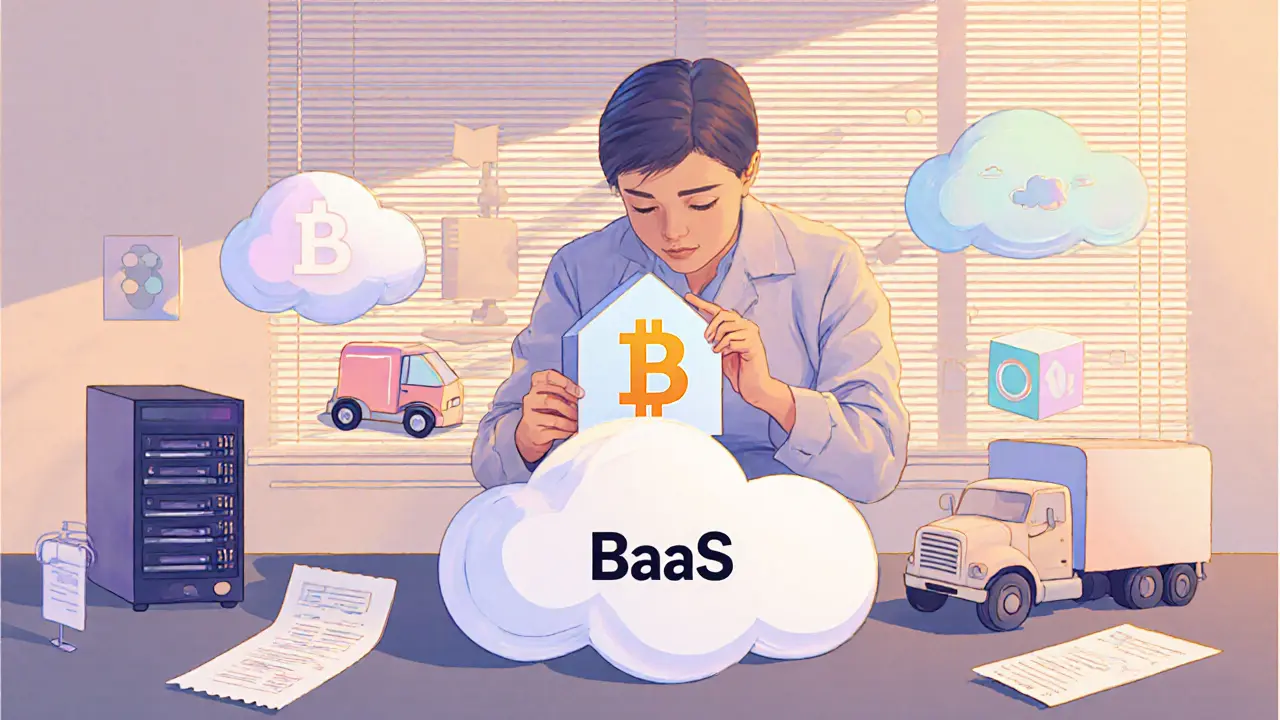
BaaS offers speed and low cost for enterprise blockchain projects, while custom blockchains deliver control and compliance for regulated industries. Learn which approach fits your business in 2025.
Jonathan Jennings Nov 16, 2025