
Crypto Adoption in Nigeria: Why the Country Is Leading Africa’s Crypto Boom
Jonathan Jennings
Crypto Wallet: What It Is, How It Works, and What You Need to Know
When you own cryptocurrency, you don’t actually store coins in a digital box—you hold them using a crypto wallet, a software or hardware tool that manages your private keys to access blockchain assets. Also known as a digital wallet, it’s the only way you can send, receive, or control your Bitcoin, Ethereum, or any other token without relying on someone else. Without the right wallet, your crypto is just data on a screen—useless and unreachable.
A non-custodial wallet, a type of crypto wallet where you alone control your private keys. Also known as self-custody wallet, it means no exchange, bank, or app can freeze or take your money. That’s why so many posts here warn about exchanges like BCEX Korea or THDax—they don’t give you real ownership. If you’re using a wallet tied to a platform, you’re trusting them with your assets. Real control starts when you hold your own keys.
Security isn’t optional—it’s the foundation. A blockchain security, the system of protocols and practices that protect digital assets from theft, fraud, and unauthorized access. Also known as crypto security, it includes things like hardware wallets, multi-sig setups, and seed phrase backups isn’t just for experts. Running a node or using a wallet that lets you verify transactions independently, like mentioned in our post on node operation, puts you in charge. Most scams target people who don’t understand this. If you’re claiming an airdrop like PHA or WIFEDOGE, you’ll need a wallet to receive it. If you’re trading on SundaeSwap or Cube Exchange, your wallet connects directly to the DEX. Even OFAC sanctions target specific wallet addresses—so your wallet isn’t just a tool, it’s your identity on the blockchain.
Not all wallets are made equal. Some are apps on your phone, others are physical devices you keep in a drawer. Some let you manage hundreds of tokens, others only support one. You’ll find posts here covering everything from trusted platforms like Biteeu to dead exchanges like Amaterasu Finance—because your wallet choice affects your safety, your access, and your freedom. Whether you’re holding Bitcoin long-term, swapping tokens on a DEX, or claiming airdrops before deadlines, your wallet is the gatekeeper. Get it right, and you’re in control. Get it wrong, and you lose everything—no refunds, no support, no second chances.
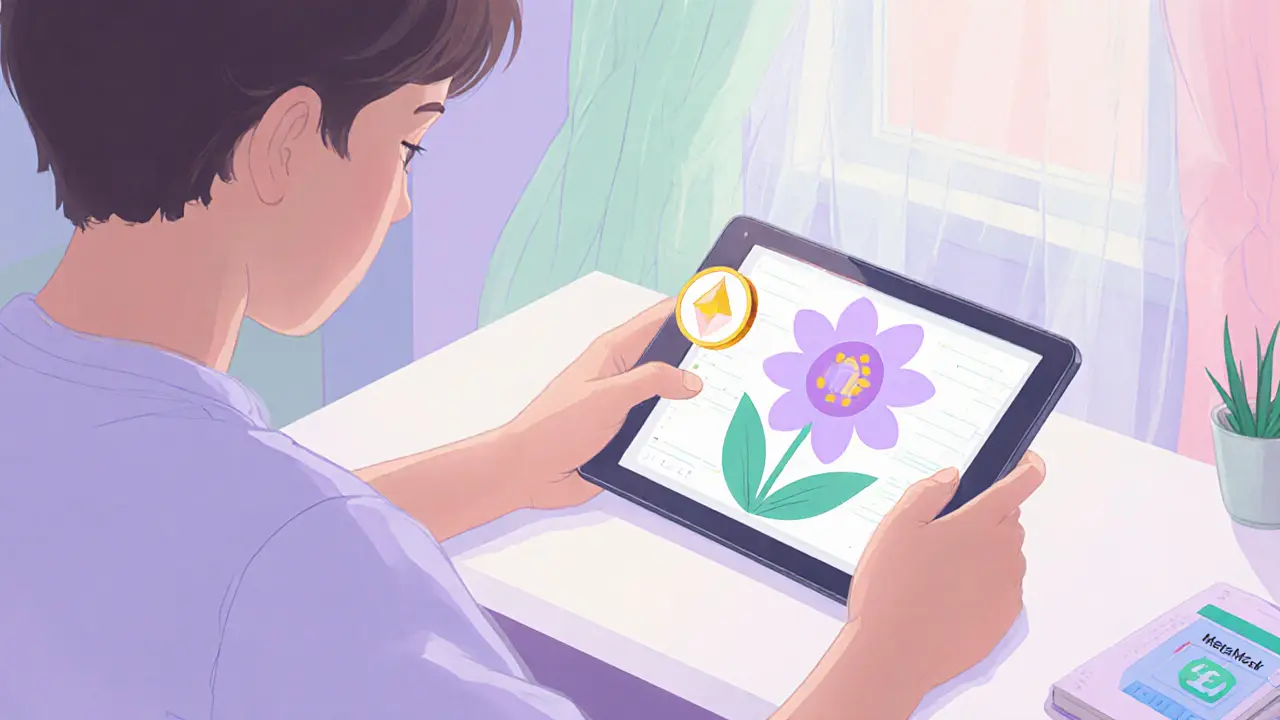
Learn how to buy and sell NFTs in 2025 with a clear, step-by-step guide. Avoid scams, understand fees, and use OpenSea and MetaMask like a pro.
Jonathan Jennings Nov 24, 2025