
Nigerian Crypto Regulations 2025: Can Businesses Legally Accept Cryptocurrency?
Jonathan Jennings
NFT Luxury Authentication: How to Verify High-Value Digital Art and Collectibles
When you buy an NFT luxury authentication, a process that confirms the true origin and ownership of high-value digital assets using blockchain records. Also known as NFT provenance verification, it’s the digital equivalent of a certificate of authenticity for a Picasso—but for a pixelated ape or a virtual handbag. If you’ve ever paid thousands for a CryptoPunk or a Bored Ape, you didn’t just buy an image. You bought a claim backed by code. And if that claim is fake, your NFT is just a screenshot.
Real luxury NFTs don’t just look expensive—they come with a trail of verified history. This includes the original creator’s wallet, past sales on trusted marketplaces, and metadata that can’t be altered without breaking the chain. Tools like Chainalysis and Dune Analytics help track these paths, but you don’t need to be a coder. You just need to know where to look. A legitimate NFT from a top brand like Louis Vuitton or Hermès will show up on OpenSea or LooksRare with a verified creator badge, a clear mint date, and a history of transfers that match public records. If the NFT was created yesterday but claims to be from 2021? Red flag. If the seller’s wallet has never traded anything else? Even bigger red flag.
Authentication isn’t just about the NFT itself—it’s about the blockchain authentication, a system that uses cryptographic signatures and immutable ledgers to prove ownership and origin. Also known as on-chain verification, it’s what separates real assets from counterfeits in the digital world. Without it, anyone can copy an image and slap a token on it. With it, you can trace every step from mint to sale. That’s why brands like Gucci and Prada now partner with blockchain firms to issue NFTs with embedded digital certificates. These aren’t just collectibles—they’re digital deeds.
And it’s not just about art. Luxury NFT authentication is now used for virtual fashion, rare sneakers, even digital real estate in metaverse worlds. If you’re buying a digital Gucci bag that costs $1,200, you need to know it’s not a copy from a shady Discord server. The same rules apply: check the contract address, verify the creator, and cross-reference with official announcements. No official brand ever drops an NFT without a press release and a verified social post.
Scammers know this. They create fake websites that look like OpenSea. They copy verified badges. They use AI to generate fake testimonials. But they can’t fake the blockchain. Every transaction is public. Every wallet is traceable. And every real NFT leaves a digital fingerprint.
Below, you’ll find real guides that show you exactly how to spot a fake NFT, how to verify ownership without trusting a seller’s word, and which platforms actually do authentication right. You’ll also see what happens when luxury brands get it wrong—and how to protect yourself when the market gets wild. This isn’t theory. It’s survival.
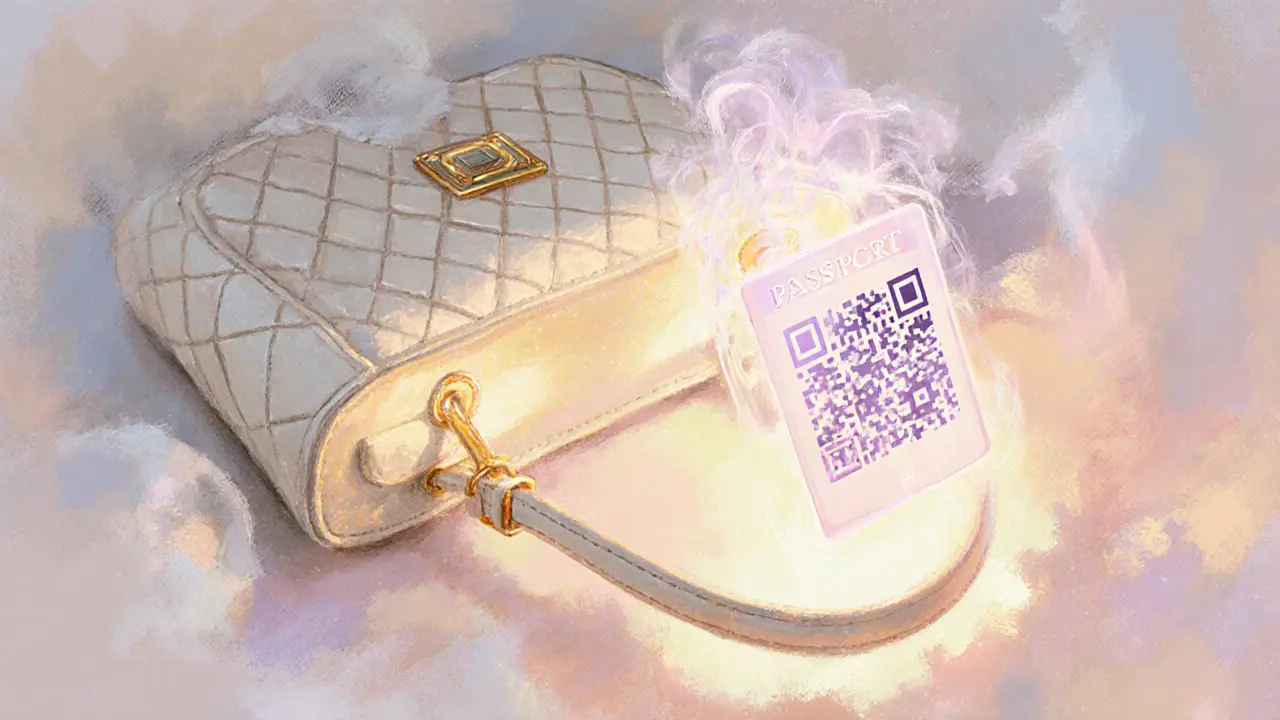
NFTs are transforming luxury goods authentication by creating tamper-proof digital passports for handbags, watches, and jewelry. Brands like Louis Vuitton and Cartier now use blockchain to prove authenticity, fight counterfeiting, and boost resale value.
Jonathan Jennings Nov 22, 2025