
What is TOKEN 2049 (2049) Crypto Coin: Risk Analysis & Facts
You might have seen the ticker 2049 pop up on a price tracker and wondered if it’s the next big thing. The name sounds familiar because of the massive TOKEN2049 conference series, but here is the hard truth: this specific coin is likely not what you think it is. It is a low-market-cap speculative token that borrows the brand recognition of a legitimate industry event. Before you spend even $10 on it, you need to understand the disconnect between the hype and the actual data.
The Name Confusion: Conference vs. Coin
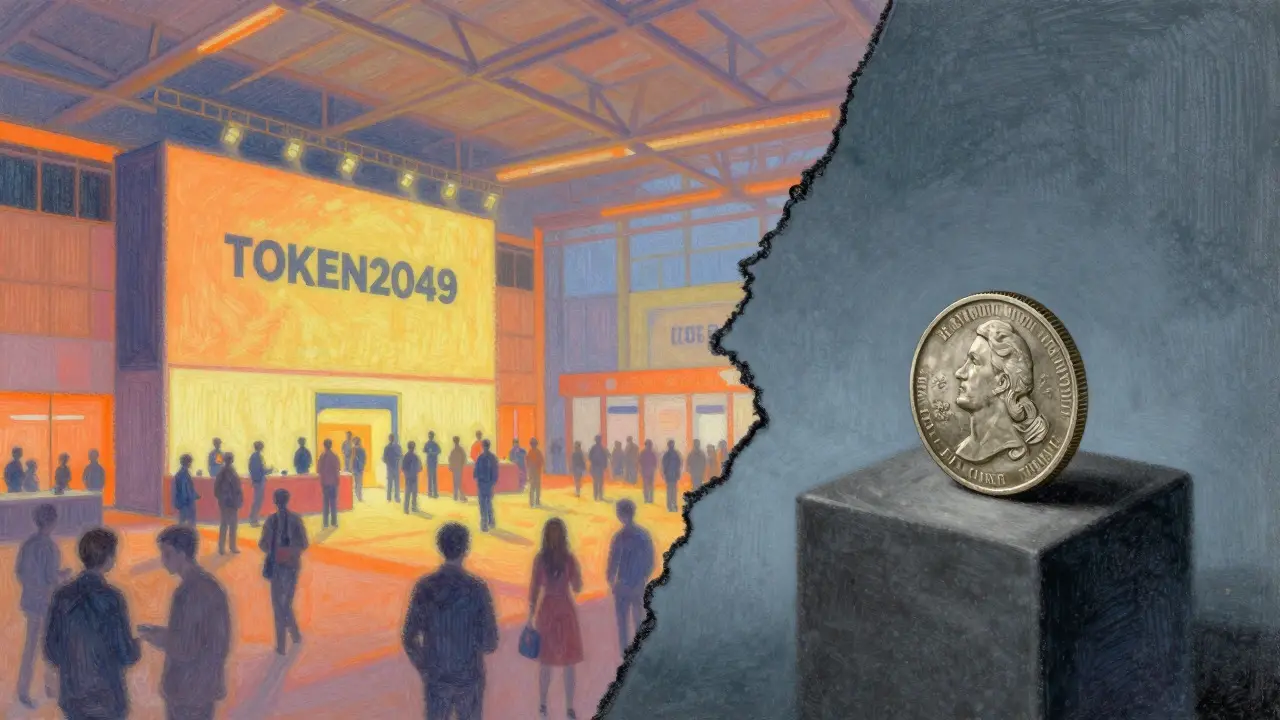
First things first. The TOKEN2049 is a major global cryptocurrency conference series known for hosting thousands of attendees and speakers in cities like Dubai and Singapore. This event has a strong reputation and attracts serious investors. However, the TOKEN 2049 (2049) is a separate, low-value cryptocurrency token that trades independently of the official conference organization.
This distinction matters because many retail investors confuse the two. The conference is an established entity with physical events and verified sponsors. The coin is a digital asset with no clear utility or connection to those events. In fact, analysts note that at least a dozen tokens have launched in 2025 using variations of major conference names, often vanishing within weeks. If you are buying this coin expecting it to be the official currency of the conference, you are probably mistaken.
Current Market Data and Volatility
Let’s look at the numbers as of late October 2025. The price of 2049 hovers around $0.000027 the current trading price per token, which represents a microscopic value requiring thousands of units for small purchases. The market capitalization sits at approximately $60,000. To put that in perspective, a mid-sized restaurant chain might have a valuation higher than this entire coin.
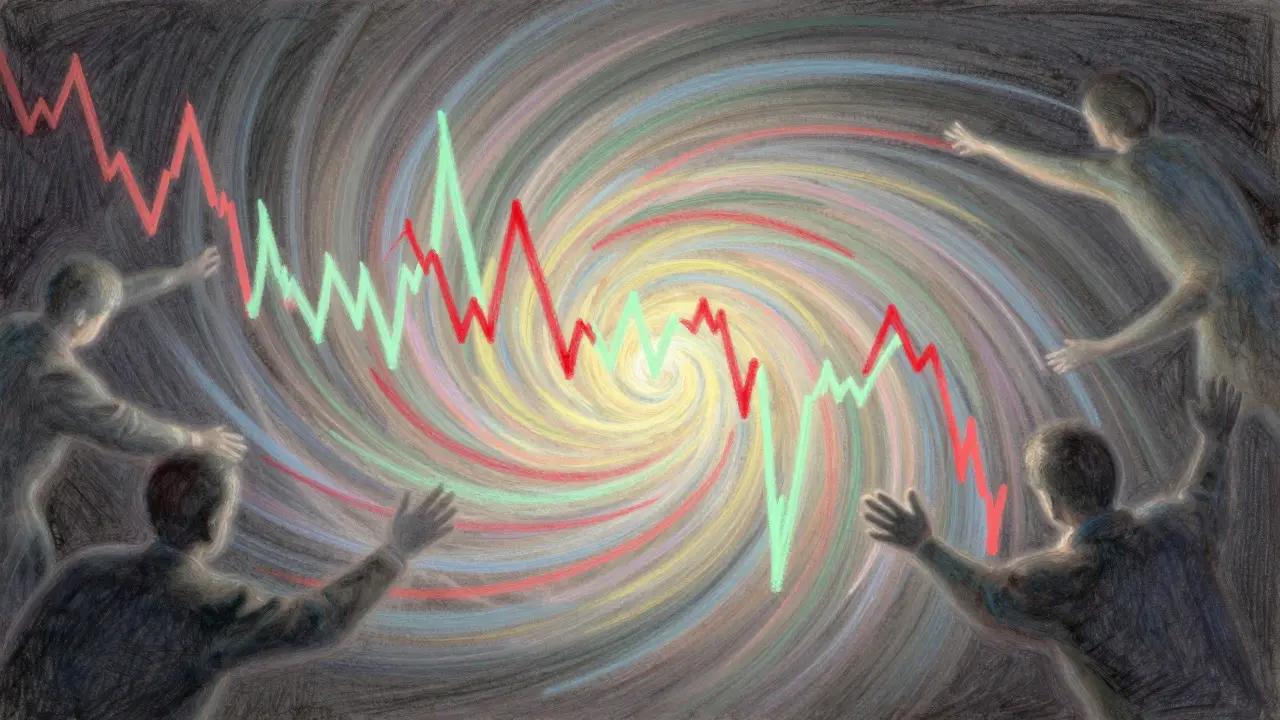
Volatility is extreme. Reports indicate a 40% volatility rate over the last 30 days. That means the price can swing wildly in a single day. For context, the All-Time High was recorded at $0.00005388 in September 2025. By late October, it had dropped by half. This isn't just a dip; it's a pattern of instability typical of micro-cap assets where liquidity is thin and large moves happen easily.
Where Does It Trade? And On Which Chain?
This is where it gets tricky. Data sources conflict about the underlying technology. Some platforms list it as a BEP-20 token on the Binance Smart Chain a blockchain network used for smart contracts and decentralized applications, compatible with wallets like MetaMask. Others suggest it might be on Solana a high-performance blockchain platform known for fast transaction speeds and low fees, requiring wallets like Phantom.
If it is indeed a BEP-20 token, your only real option for trading is PancakeSwap a decentralized exchange protocol on Binance Smart Chain that allows users to swap tokens without a central intermediary. You won’t find it on major centralized exchanges like Coinbase or Kraken. This lack of accessibility is a red flag. Major exchanges perform rigorous due diligence before listing assets. If 2049 isn’t there, it means it hasn’t passed basic security or liquidity checks.
| Feature | TOKEN 2049 (Coin) | TOKEN2049 (Conference) |
|---|---|---|
| Type | Speculative Micro-Cap Token | Global Industry Event Series |
| Market Cap | ~$60,000 | N/A (Business Entity) |
| Liquidity | Very Low / Thin | N/A |
| Utility | None Documented | Networking, Education, Business |
| Risk Level | Extreme | Low (Established Brand) |
The Hidden Dangers: Slippage and Liquidity
Here is the part most beginners miss. Because the price is so low and the volume is so thin, buying or selling this coin is technically difficult. Traders report "slippage" issues. Slippage is the difference between the expected price of a trade and the price at which the trade is executed. With 2049, you might try to buy $50 worth of tokens, but due to low liquidity, you might actually end up paying much more per token than shown on the screen. One user reported losing 80% of their intended purchase value just to the slippage fee.
To make a simple trade on PancakeSwap, you might need to set your slippage tolerance to 15-20%. That is incredibly high. For comparison, standard stablecoin swaps usually require less than 1% slippage. If you don’t adjust this setting, your transaction will fail. If you do adjust it, you risk getting a bad deal. This creates a trap: you either can’t buy, or you buy at a significant loss.
Is There Any Real Utility?
Short answer: No. There is no whitepaper, no active development team visible on GitHub, and no clear use case. It doesn’t power a game, a payment system, or a DeFi protocol. It exists primarily as a vehicle for speculation. When a token has no utility, its price relies entirely on someone else being willing to buy it from you for more money. This is often referred to as a "greater fool" theory. In micro-cap tokens under $100,000 market cap, studies suggest a high percentage exhibit signs of coordinated pump-and-dump schemes, where insiders buy cheap, hype the community, and sell off when new buyers arrive.
Regulatory bodies like the SEC have also started looking closely at these types of assets. In late 2025, warnings were issued about tokens impersonating legitimate brands. While 2049 hasn’t been specifically named in every report, it fits the profile of assets that regulators view with suspicion due to potential securities violations and consumer confusion.

How to Verify Data Yourself
Since data providers disagree, you should check multiple sources before making any move. Here is a quick checklist:
- Check CoinMarketCap: Look at the 24-hour volume. If it’s near zero, avoid it.
- Verify the Contract Address: Ensure you are looking at the correct token contract on BscScan or Solscan. Fake tokens are common.
- Read Recent Comments: Go to Reddit or Twitter. Search for "2049 token review." You will likely find complaints about broken charts or failed transactions.
- Compare Prices: If one site says $0.02 and another says $0.000027, trust the lower number or assume the higher one is an error/fake pair.
Should You Buy It?
Only if you are prepared to lose 100% of your investment. Treat it like a lottery ticket, not an investment. Do not allocate more than you would happily burn in a fireplace. If you do decide to take the risk, use a dedicated wallet, never keep more than a few dollars in it, and be ready for the transaction to fail. The odds are heavily stacked against you, but the crypto world is built on taking calculated risks. Just make sure this is a calculated one, not a blind leap.
Is TOKEN 2049 the same as the TOKEN2049 conference?
No. The conference is a legitimate industry event. The coin is a separate, speculative asset that uses a similar name to attract attention. They are not officially linked.
Where can I buy the 2049 coin?
It is primarily available on decentralized exchanges like PancakeSwap. It is not listed on major centralized exchanges like Coinbase or Binance Spot.
Why is the price so different on different websites?
This is due to low liquidity and data errors. Some sites may be tracking a fake token or an old price. Always verify the contract address and check multiple sources.
What is slippage and why does it matter for 2049?
Slippage is the price difference during a trade. For 2049, you need high slippage settings (15-20%) to complete trades, which means you might pay significantly more than the displayed price.
Is 2049 a good long-term investment?
Unlikely. With no utility, low market cap, and high volatility, it carries extreme risk. Most experts advise treating it as pure speculation rather than a long-term hold.