

Why Pakistan is Now a Top 4 Global Leader in Crypto Adoption
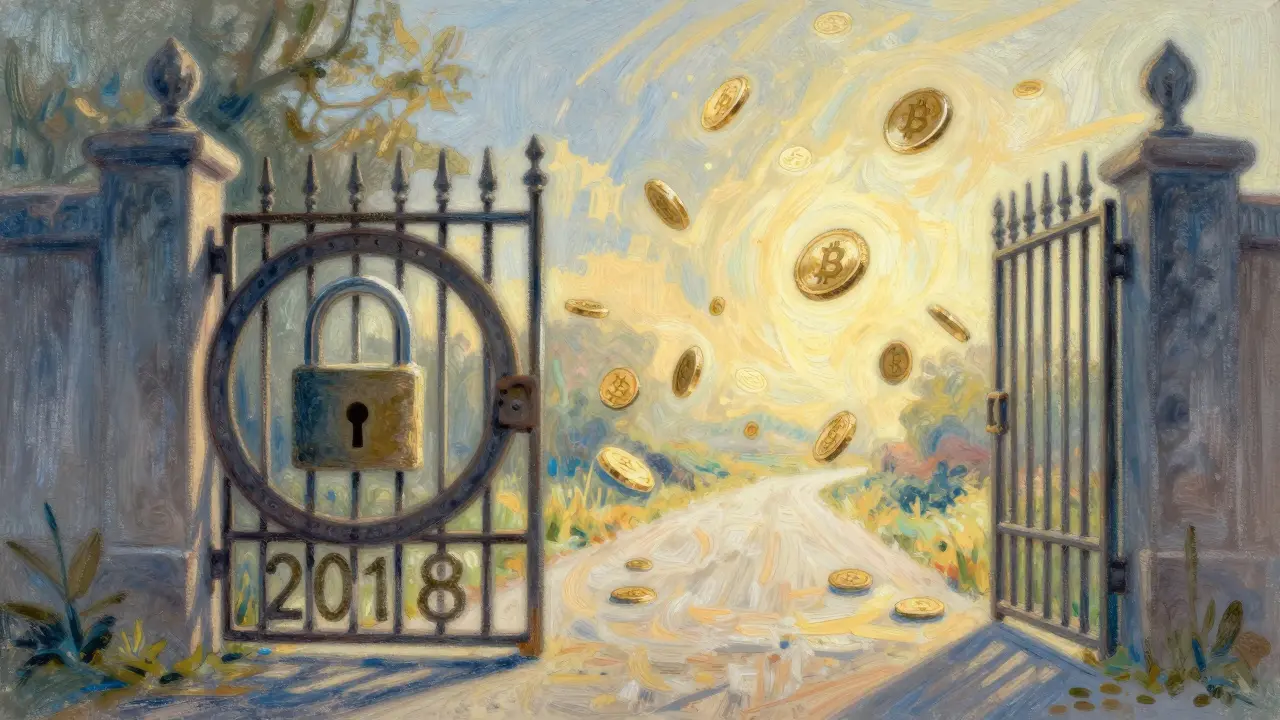
For years, owning digital assets in Pakistan felt like a game of cat and mouse. Back in 2018, the State Bank of Pakistan essentially shut the door, declaring that digital currencies weren't legal tender and banning exchange companies from touching them. Fast forward to 2026, and the script has completely flipped. Pakistan isn't just participating in the crypto market; it's dominating it, consistently ranking between 3rd and 4th globally in adoption metrics.
This isn't just about people gambling on the next meme coin. When you look at the data, it's clear that Pakistan crypto adoption is driven by a desperate need for financial utility. With around 20 million citizens holding digital assets valued between $20 billion and $25 billion, the country has moved past the 'experiment' phase and into a full-blown financial shift. But how did a country that once banned the technology become a global powerhouse?
The Shift from Ban to Blueprint
The turnaround happened because the government realized that fighting the tide was impossible. Between 2024 and 2025, Pakistan shifted from a hostile stance to a structured one. The most critical move was the launch of the Pakistan Virtual Assets Regulatory Authority is the official government body established in July 2025 to provide legal oversight and regulatory frameworks for digital assets. By creating a formal regulator, the state finally gave businesses and individuals the legal breathing room they needed to operate without fear of sudden crackdowns.
Alongside the regulator, the Pakistan Crypto Council is an industry coordination body led by CEO Bin Saqib that bridges the gap between government officials and private sector crypto innovators was formed. This council acts as the strategic brain, ensuring that crypto integration doesn't just happen randomly but aligns with national economic goals. This institutional support is exactly why Pakistan jumped six spots in the Chainalysis 2025 Global Adoption Index, landing in 3rd place, just behind India and the United States.
Utility Over Speculation: Why Pakistanis are Buying
If you ask a user in Karachi or Lahore why they use crypto, they probably won't talk about "to the moon" price targets. Instead, they'll talk about survival and efficiency. Expert analysis from Chainalysis suggests that Pakistan is a prime example of "utility-driven adoption." While developed markets often use crypto for investment, emerging markets use it as a tool.
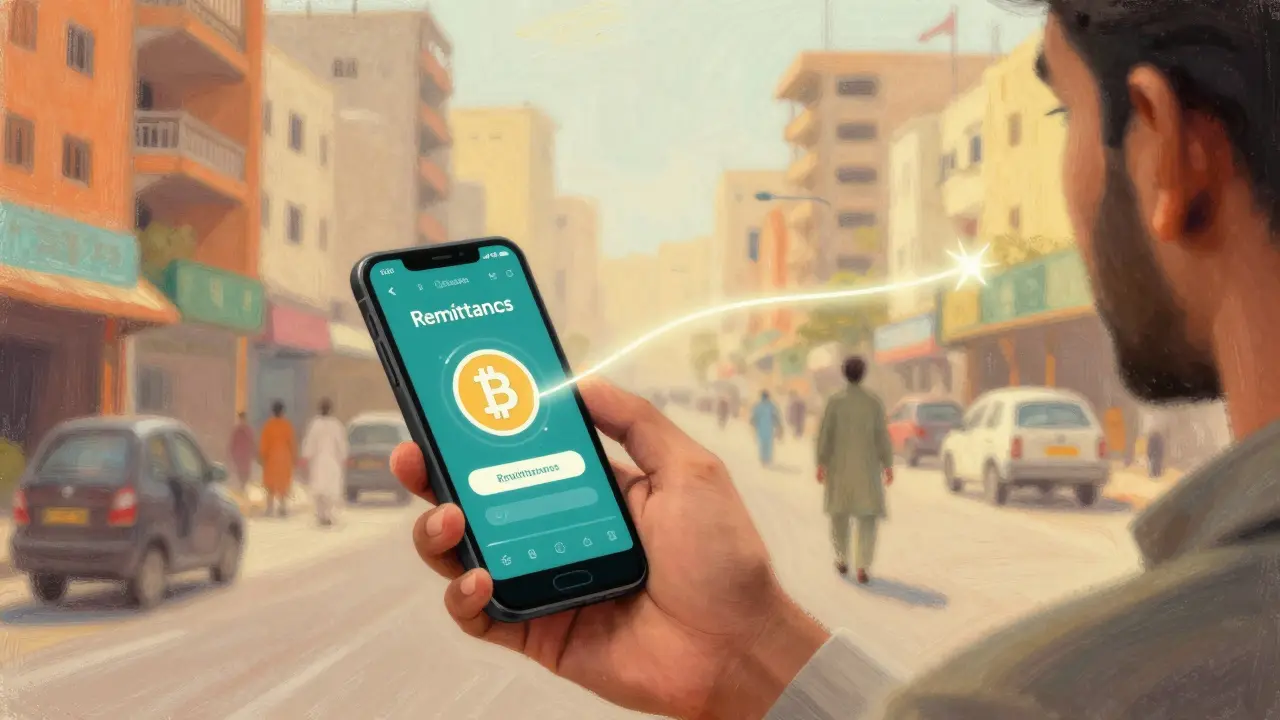
- Remittance Speed: Traditional bank transfers for overseas Pakistanis are slow and expensive. Using Stablecoins is cryptocurrencies pegged to a stable asset, like the US Dollar, to minimize price volatility allows families to receive money almost instantly with significantly lower fees.
- Inflation Hedge: With the local currency facing volatility, digital assets provide a way to preserve purchasing power. When the rupee dips, a USD-pegged stablecoin keeps the value of your savings intact.
- Financial Inclusion: Many people lack access to traditional banking. A smartphone and an internet connection are all that's needed to enter the global financial system via Decentralized Applications (dApps).
This focus on practical use makes Pakistan's growth more sustainable. It's not a bubble built on hype; it's a bridge built to fix a broken financial plumbing system.
Comparing the Global Heavyweights
Pakistan's rise is impressive, but it's happening within a very competitive global landscape. India has held the top spot for three years running, leveraging its massive developer base and sheer population size. The United States remains a titan, driven by the approval of Bitcoin ETFs and a surge in institutional capital.
| Country | Approx. Rank (Chainalysis) | Primary Driver | Regulatory Status |
|---|---|---|---|
| India | 1st | Retail Volume / Tech Base | Developing Framework |
| USA | 2nd | Institutional / ETFs | Regulated / Active |
| Pakistan | 3rd | Remittances / Inflation Hedge | Newly Regulated (PVARA) |
| Vietnam | 5th-6th | Gaming / Retail | Mixed/Permissive |
| Nigeria | 6th | P2P Trading / Utility | Evolving |
Interestingly, while Nigeria was once a top contender, it has slipped in the rankings. In contrast, Pakistan's trajectory is vertical. This is largely because Pakistan moved from a total ban to a clear, supportive regulatory framework in a very short window, creating a "springboard effect" for new users.
The Geopolitical Game: More Than Just Money
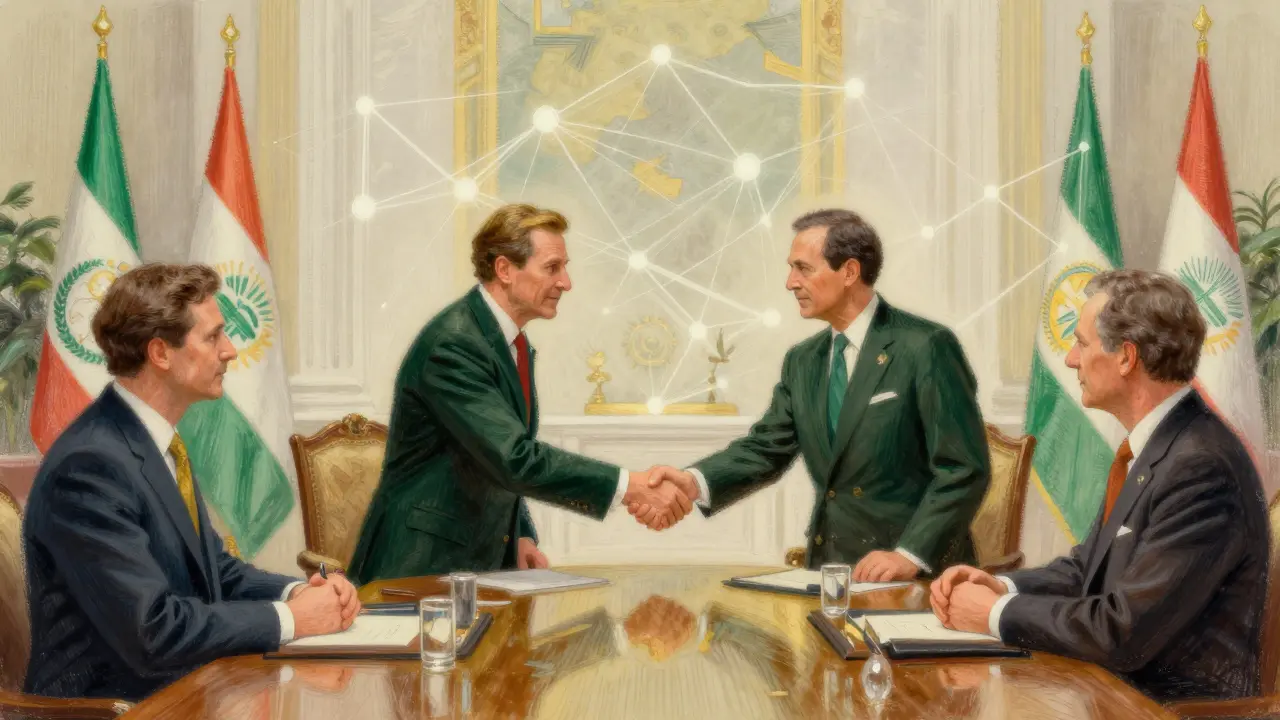
It would be naive to think this growth is purely economic. There is a heavy layer of geopolitical strategy at play. In 2025, we saw high-level meetings between Finance Minister Muhammad Aurangzeb, the Pakistan Crypto Council, and figures like Michael Saylor, the chairman of MicroStrategy, who has made Bitcoin a corporate reserve asset. These aren't just casual chats; they are discussions about building national financial resilience.
Even more telling is the partnership between the Pakistan Crypto Council and World Liberty Financial, a project associated with the Trump family. This agreement, signed in August 2025, aims to accelerate blockchain adoption across the country. When you have individuals like Zach Witkoff securing direct access to Prime Minister Shehbaz Sharif and Army Chief Asim Munir, it's clear that crypto is being used as a diplomatic tool to strengthen ties with anticipated US leadership.
Potential Pitfalls and the Road Ahead
Despite the hype, the path isn't without risks. One major concern is the reliance on external private partners. When national policy is influenced by profit-driven entities or geopolitical alliances, there's a risk that the needs of the average Pakistani citizen might take a backseat to corporate interests.
Furthermore, the gap between "adoption" and "literacy" is still wide. While millions are using these tools, many are doing so without fully understanding the risks of private key management or the volatility of non-stablecoins. For the current momentum to last through 2026 and beyond, the focus must shift from simply onboarding users to educating them.
If Pakistan can maintain its focus on utility-keeping the emphasis on remittances and inflation protection-it will likely stay in the top 10 for years. The infrastructure is now there: a population of 230 million, a dedicated regulatory authority, and strong political will. The goal now is to ensure this digital revolution benefits the many, not just the few with the right political connections.
Is cryptocurrency legal in Pakistan now?
Yes, the landscape has changed significantly. While it was prohibited in 2018, the establishment of the Pakistan Virtual Assets Regulatory Authority in July 2025 provided the legal framework necessary for the regulated use and oversight of digital assets.
Why is Pakistan ranking so high in crypto adoption?
The high ranking is primarily due to the practical utility of crypto. Pakistanis use stablecoins to receive remittances faster and cheaper than traditional banks, and use digital assets to protect their savings from high inflation.
What is the role of the Pakistan Crypto Council?
The Pakistan Crypto Council is an industry body that coordinates between the government and the private sector. It helps shape policies and facilitates partnerships with international blockchain entities to integrate crypto into the national economy.
How many people in Pakistan own cryptocurrency?
As of 2025, it is estimated that approximately 20 million Pakistani citizens hold digital currencies, with total holdings valued between $20 billion and $25 billion.
Which ranking system puts Pakistan in 3rd place?
The Chainalysis 2025 Global Adoption Index, published in October 2025, ranked Pakistan 3rd globally, following India and the United States.


This is absolutely incredible!!! Seeing such a massive shift toward financial freedom is just inspiring!!!!
Quite a fascinating pivot. Only the elite really grasp the true scale of this shift ;) 🥂
oh sure because letting a few rich guys with an army chief's ear decide national policy is totally the pinnacle of decentralized philosophy lol
It is simply staggering to witness the velocity of this transition!
The implementation of the PVARA is a masterstroke of administrative agility, though one must wonder if the infrastructure can actually support 20 million users without a catastrophic failure! 😱
One has to ponder if the soul of a nation can be traded for a digital ledger. It is a moral vacuum where we replace trust in people with trust in code, yet we still let the same old power structures hold the keys.
Whatever
The distinction between adoption and literacy is the most critical point here. It is intellectually dishonest to celebrate these rankings without acknowledging that a significant portion of the population is likely operating without a basic understanding of seed phrase security, which inevitably leads to systemic loss.
stablecoins are the real hero here since they bypass the nightmare of local bank fees and the slow clearing times that usually plague remittances
really cool to see a country move from banning to building it shows that the tech is too good to ignore and anyone starting out should look into basic wallet security first
this is just gambling by another name it is wrong to call it a financial shift when people are just trying to get rich quick without working
Love seeing the growth! 🚀 Just keep learning and staying safe out there everyone! ✨
Imagine thinking a partnership with a Trump-linked project is a "diplomatic tool" and not just a blatant attempt to buy influence. Hilarious.
It's really heartening to see people finding ways to support their families more easily. I hope the education part happens quickly so everyone stays safe.
everyone just needs to take it one step at a time and focus on the utility side like the post mentioned
a wild kaleidoscope of economic shifts right here the sheer audacity of leaping over bans to hit top 4 is a vivid tale of survival
The strategic alignment with the Pakistan Crypto Council ensures that these digital assets are not merely speculative tools but are integrated into a cohesive national economic strategy.
This is a total paradigm shift!!!! By utilizing a decentralized architecture and leveraging liquidity pools, they are essentially bypassing the legacy banking friction!!!! Absolutely brilliant!!!!
i think its great they are helpng people get thier money home faster... just hope there isnt too many scams out there
Looking at the Chainalysis data, the P2P volume in Pakistan is what really drives these numbers. It's a natural evolution when the official rails are broken. If you look at the historical trend of Nigeria, Pakistan is avoiding the same mistakes by regulating earlier.