

FLATA Exchange Review: Is It Safe or a Scam? (2026 Analysis)

Have you stumbled across FLATA Exchange, a platform promising high returns and seamless trading? If so, pause for a second. In the world of cryptocurrency, silence is often louder than marketing hype. While major platforms like Binance or Coinbase dominate headlines, smaller names pop up frequently, sometimes with questionable intentions. This review digs into what we know-or don’t know-about FLATA Exchange to help you decide if your money is safe there.
The short answer? There is very little credible information about FLATA Exchange in reputable financial databases, regulatory filings, or trusted industry reviews as of mid-2026. When a crypto platform lacks transparency, it raises red flags that every trader needs to understand before depositing a single dollar.
The Problem With Invisible Exchanges
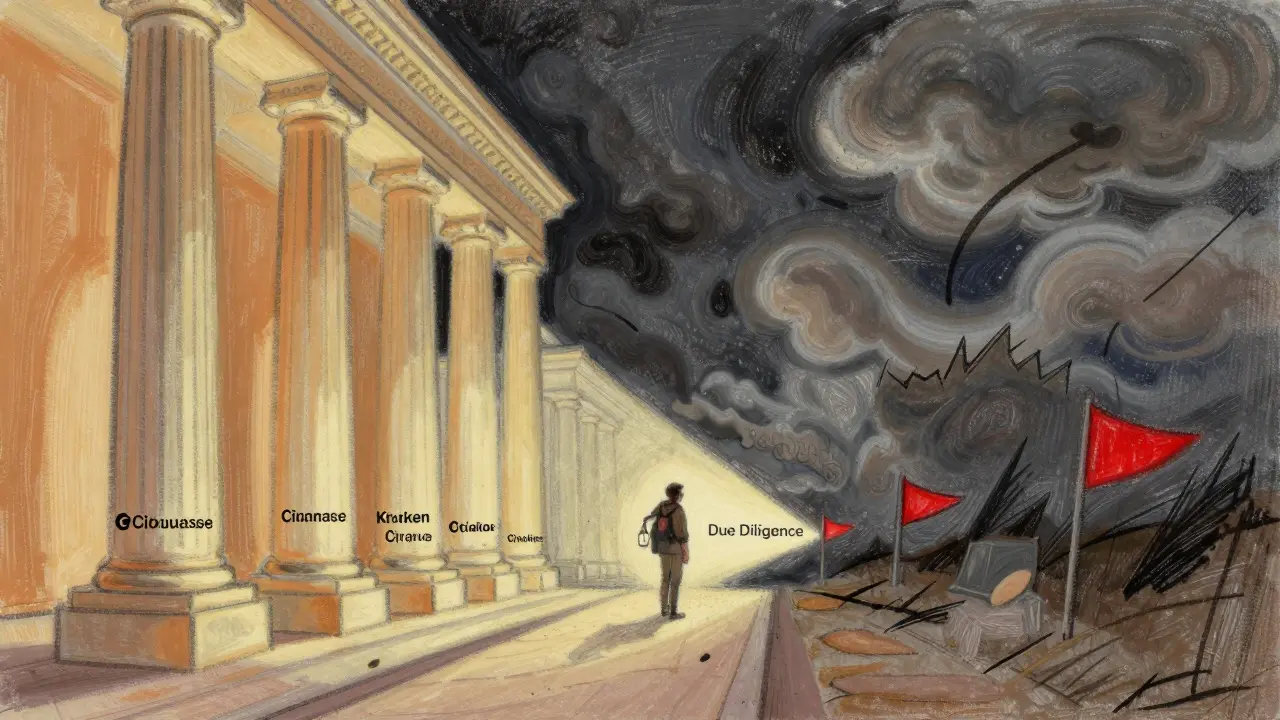
In the crypto space, visibility equals trust. Established exchanges publish their security audits, list their team members on LinkedIn, and hold licenses in multiple jurisdictions. Kraken has been operating since 2011 and publishes regular proof-of-reserves reports. Coinbase is publicly traded on the NYSE, subjecting itself to strict SEC regulations. These entities are visible because they have something to prove.
FLATA Exchange, however, operates in the shadows. A search through authoritative sources reveals no substantial history, no clear founding date, and no recognizable leadership team. This absence of data isn't just an oversight; it's a critical risk factor. Without a track record, you have no way to verify if the platform can handle market volatility or if it will vanish during a downturn.
| Feature | Established Exchanges (e.g., Kraken, Coinbase) | Obscure Platforms (e.g., FLATA Exchange) |
|---|---|---|
| Regulatory Status | Licensed in US/EU/Asia | Unknown or Unlicensed |
| Security Audits | Publicly available third-party reports | No public audit trail |
| Team Transparency | Identifiable founders and staff | Anonymous or fake profiles |
| User Reviews | Thousands on Trustpilot/Reddit | Few or suspiciously positive only |
| Withdrawal Reliability | Consistent processing times | Reports of frozen funds |
Red Flags You Cannot Ignore
When evaluating any new service, especially one handling digital assets, you need to look for specific warning signs. Here are the most common indicators that a platform might be unsafe:
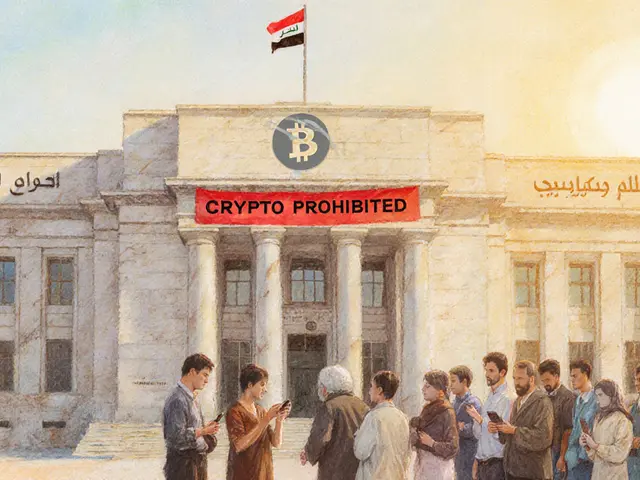
- Lack of Regulatory Compliance: Legitimate exchanges register with financial authorities like the Financial Conduct Authority (FCA) in the UK or the Money Services Business (MSB) registry in the US. FLATA Exchange does not appear in these public registries.
- Promises of Guaranteed Returns: If a site claims you can earn fixed daily profits from trading, it’s likely a Ponzi scheme. Real markets fluctuate; guaranteed income is a myth.
- Aggressive Marketing Tactics: Be wary of platforms that bombard you with DMs on social media or use celebrity endorsements without proper disclosure. Authentic brands build communities organically.
- Vague Fee Structures: Transparent exchanges list their trading fees, withdrawal costs, and spread clearly. Hidden fees are a hallmark of predatory platforms.
If FLATA Exchange exhibits even one of these traits, proceed with extreme caution. The burden of proof lies with the exchange, not the user.
How to Verify Any Crypto Platform
You don’t have to take my word for it. You can perform due diligence yourself using a few simple steps. This process applies to FLATA Exchange and any other obscure platform you encounter.
- Check Domain Age: Use tools like WHOIS to see when the website was registered. New domains (less than a year old) are higher risk. Long-standing sites show stability.
- Search for Independent Reviews: Look beyond the website’s own testimonials. Search Reddit, Trustpilot, and specialized crypto forums. Pay attention to negative reviews-they often reveal truth faster than praise.
- Verify Contact Information: Does the platform have a physical address? Can you reach customer support via phone or live chat? Anonymous email-only support is a bad sign.
- Test Small Withdrawals: Before depositing large sums, make a small deposit and immediately try to withdraw it. If the process is delayed, complicated, or blocked, exit immediately.
These steps take ten minutes but could save you thousands of dollars. In the crypto world, speed matters less than safety.
Better Alternatives for Traders
Why risk your capital on an unverified platform when established options exist? Depending on your location and needs, several reputable exchanges offer secure, regulated environments.
Binance remains the global leader in volume, offering hundreds of coins and low fees, though its regulatory status varies by country. For users in the United States, Coinbase and Kraken provide robust security and compliance with local laws. European traders might prefer Bitstamp, known for its long history and institutional-grade security.
If you’re looking for ease of use, eToro offers social trading features, allowing you to copy successful investors. Each of these platforms has faced scrutiny but has responded with transparency and improvement. They are part of the ecosystem, accountable to regulators and users alike.
The Psychology of FOMO in Crypto
Why do people fall for platforms like FLATA Exchange? Fear Of Missing Out (FOMO). When Bitcoin surges or a new token trends, anxiety kicks in. You want in now. Scammers exploit this emotion by creating urgency: “Sign up today,” “Limited slots available,” “Guaranteed 5% daily.”
Real investing requires patience. It involves research, risk management, and emotional control. If a platform pressures you to act quickly, it’s trying to bypass your rational thinking. Step back. Breathe. Ask yourself: “Do I trust this company with my life savings?” If the answer is uncertain, the answer is no.
Crypto is volatile enough without adding counterparty risk. Your private keys, held in a non-custodial wallet, are safer than funds left on an unknown exchange. Remember: Not your keys, not your coins.

What To Do If You’ve Already Deposited
If you’ve already sent funds to FLATA Exchange and are having trouble withdrawing, act fast. First, document everything: screenshots of transactions, emails, and chat logs. Second, contact your bank or payment provider to dispute the charge if possible. Third, report the platform to relevant authorities, such as the FTC in the US or Action Fraud in the UK.
Recovery is difficult but not impossible. Many victims regain partial funds through collective action and legal pressure. Don’t stay silent. Sharing your experience helps others avoid the same trap.
Final Thoughts on Safety First
In 2026, the crypto market is maturing. Regulators are cracking down on illicit activities, and users are becoming more educated. Platforms that refuse to adapt to transparency standards will fade away-or worse, collapse under fraud allegations. FLATA Exchange currently lacks the credibility required to compete safely in this space.
Stick to verified, regulated exchanges. Prioritize security over convenience. And never let FOMO drive your decisions. Your financial health depends on choices made with clarity, not haste.
Is FLATA Exchange a scam?
While we cannot definitively label it a scam without legal judgment, FLATA Exchange exhibits many characteristics associated with fraudulent platforms, including lack of regulatory licensing, anonymous ownership, and absence of independent verification. Proceed with extreme caution.
Where is FLATA Exchange located?
There is no publicly verifiable physical address or headquarters for FLATA Exchange. Legitimate exchanges disclose their operational base and comply with local laws.
Are my funds safe on FLATA Exchange?
Safety cannot be guaranteed due to the lack of transparent security audits and insurance policies. Unlike major exchanges that offer proof-of-reserves, FLATA provides no such assurance.
What are the best alternatives to FLATA Exchange?
Consider regulated platforms like Coinbase, Kraken, Binance (where available), or Bitstamp. These exchanges have proven track records, strong security measures, and clear fee structures.
How can I check if a crypto exchange is legitimate?
Verify regulatory licenses, check domain age, read independent user reviews on Trustpilot and Reddit, and test small withdrawals. Always prioritize platforms with identifiable teams and public security audits.
Does FLATA Exchange require KYC?
Information on KYC (Know Your Customer) requirements for FLATA Exchange is unclear. However, avoiding KYC is often a tactic used by illicit platforms to evade law enforcement. Legitimate exchanges enforce strict identity verification.
Can I withdraw money from FLATA Exchange easily?
Users reporting issues with similar obscure platforms often face delayed or denied withdrawals. Without verified evidence of reliable payout processes, assume withdrawal difficulties are possible.







honestly i just stick to coinbase because its easy and safe, no need for risky stuff
The silence of FLATA is deafening. It speaks volumes about the void where integrity should reside. We are witnessing a digital ghost town, a platform that exists only in the shadows of speculation. The lack of transparency is not merely an oversight; it is a philosophical statement on the nature of trust in the modern age. When a company hides its face, it reveals its intent. We must ask ourselves: why do we seek validation from entities that refuse to be seen? The answer lies in our own desperation for gain, blinded by the allure of easy returns. This exchange is a mirror reflecting our collective greed and naivety.
It is tragic, really, how easily we surrender our hard-earned capital to phantoms. The established giants like Kraken and Coinbase stand as lighthouses in this storm of obscurity. They publish their reserves, they show their faces, they submit to the gaze of regulators. FLATA offers none of this. It offers only whispers and promises, which are the currency of scammers. To engage with such a platform is to dance with danger, hoping the music never stops. But the music always stops. And when it does, you will be left holding the note, wondering why you didn't listen to the silence.
I appreciate the detailed breakdown here. It’s crucial to look beyond the marketing hype. I’ve noticed that many new platforms pop up every month, promising the moon but delivering nothing. Checking domain age is a simple step that saves so much trouble. Also, verifying if they have a physical address is something people often skip. If they don’t want to be found, they probably have something to hide. Thanks for reminding everyone to do their due diligence before sending money anywhere.
You know what?? I think we all need to be more careful!!! It is absolutely terrifying how many scams are out there!! I always check Trustpilot first!!! And then Reddit!!! And then I sleep better at night!!! Don't let FOMO get you!!! Just breathe!!! Think before you click!!! Safety first!!! Always!!!
Just chill and look at the facts. No team, no license, no history. It's pretty obvious what's going on here. People need to stop chasing these shady coins and focus on real projects. I've been trading since 2017 and I've seen this pattern a thousand times. They come in hot, promise huge returns, and then vanish. Keep your keys private and use reputable exchanges. It's not rocket science. Stay calm and stay safe.
Oh, please. Do you really need an article to tell you that an unregulated entity is suspect? The concept of 'counterparty risk' is elementary in financial theory. FLATA Exchange exhibits classic characteristics of a Ponzi scheme structure, lacking the necessary regulatory compliance frameworks mandated by the SEC or FCA. It is almost amusing that individuals still fall for such rudimentary deception. The absence of proof-of-reserves audits is not a minor detail; it is a fatal flaw in their operational model. One would expect basic due diligence from any rational actor in the market. Instead, we see a herd mentality driven by irrational exuberance. Disgraceful.
Hey guys! Let's keep it positive! :) Even though FLATA looks sketchy, remember that crypto is exciting! Just make sure to use safe platforms like Binance or Coinbase! Stay happy and trade smart! :D Don't let the bad apples ruin the fun! We got this! :)
LISTEN UP! You idiots are walking into a trap! FLATA is a scam, plain and simple! Why are you even considering putting money there?! Wake up! Use Coinbase or Kraken! Stop being lazy and do your research! I'm tired of seeing people lose money because they're too stupid to check a license number! Get your act together!
I mean, duh. If it sounds too good to be true, it is. Everyone knows this. It's not rocket science. These scammers prey on people who can't read. Honestly, it's pathetic that anyone falls for 'guaranteed returns.' Markets go up and down. If you don't understand that, you shouldn't be trading at all. Just stick to the big names and stop complaining when you get robbed by some fly-by-night operation.
I find it deeply concerning that so many platforms operate without any form of regulatory oversight, especially when considering the significant financial risks involved for everyday investors who may not possess the technical expertise to evaluate security protocols thoroughly. It is imperative that we establish clear boundaries between legitimate financial institutions and those that merely mimic their appearance while lacking the substantive infrastructure required to safeguard user assets. The lack of transparency regarding leadership teams and audit trails is not merely an inconvenience; it represents a fundamental breach of trust that undermines the entire ecosystem of digital asset management. We must advocate for stricter enforcement of existing laws and greater accountability from exchanges that choose to remain anonymous.
Hey everyone, just wanted to chime in. I know it's easy to get caught up in the hype, but taking a step back is key. If you're unsure, don't invest. There's no shame in waiting until you feel confident. I recommend starting with smaller amounts on well-known platforms to build your experience. Community support is great, but your financial safety comes first. Let's help each other stay informed and avoid these traps.
Ugh. Seriously?? How many times do we have to say this??? Lack of KYC is a RED FLAG!!! A HUGE ONE!!! These platforms are laundering money and hiding criminals!!! And people are still signing up??? It makes me sick!!! You are enabling fraud!!! Check the registry!!! Verify the team!!! Stop being naive!!! It's exhausting dealing with people who ignore basic security principles!!!
They are watching you. FLATA is just another front for the deep state to track your transactions. Or maybe it's the aliens. Who knows? But definitely don't trust them. They will steal your identity and sell it to the highest bidder. Keep your cash under the mattress. Crypto is a trap set by the elites to control us. Wake up sheeple.
Typical foreign scam targeting American users. If it's not registered with the SEC, it's trash. We need strict borders for financial data too. These offshore entities think they can play games with US dollars. Pathetic. Stick to domestic regulated exchanges. Support American companies. Don't fund overseas fraud rings.
FLATA is a digital mirage, a shimmering illusion designed to seduce the unwary traveler into the desert of bankruptcy. It is a beautiful lie, wrapped in sleek UI and false promises. But beneath the surface, it is rotting. The code is likely spaghetti, held together by duct tape and desperation. I smell fear in their marketing copy. They are running out of time. The rug pull is imminent. Can you feel it? The ground shaking? That's the sound of your portfolio collapsing. Run. Run far away.
Listen up! This is garbage! FLATA is a joke! Anyone who uses this is an idiot! We need strong regulations! No more excuses! If you can't prove you're legit, you're out! Protect our economy! Stop letting these scammers walk over us! Be tough! Demand answers! Otherwise, we deserve what we get!
Actually, you might be wrong. Maybe FLATA is innovative. Maybe they don't want regulation because it stifles creativity. You are all sheep following the herd. I bet they have a secret genius behind it. Your skepticism is boring. Embrace the chaos. Or don't. Whatever. I'll be rich while you complain.
As someone who travels a lot, I've seen how different countries handle crypto. In Europe, regulations are tight. In Asia, it's a wild west. FLATA seems to be exploiting these gaps. It's important to understand the cultural context of finance. Some places value speed over safety. But for most of us, safety wins. Enjoy the journey, but don't get lost. :)
How quaint. You discuss 'safety' as if it is a novel concept. The lack of institutional-grade security protocols is evident to anyone with a modicum of financial literacy. FLATA Exchange is a pariah in the sophisticated investment community. Only the uninformed would consider it. It is beneath discussion. Truly. One wonders what level of cognitive decline leads one to entertain such options. Disappointing.
Boring article. I already knew it was a scam. Why write 2000 words about it? Just say 'it's bad' and move on. I have better things to do than read this. Waste of my time. Typical clickbait. Ugh.
Trust your gut. If it feels off, it is. Simple as that. Take care of yourself. You deserve peace of mind. Invest in joy, not stress. Safe choices lead to happy lives. Breathe. You are enough. Your money is important, but your well-being is more so. Choose wisely.
Great points! 🚀 Here is a pro tip: always check the blockchain explorer for large transfers out of the exchange wallet. If you see a sudden drain, RUN! 🏃♂️💨 Also, use hardware wallets! 🔒 Never leave funds on an exchange long-term. Stay sharp! 💪✨ #CryptoSafety #HODL
I personally tried to contact their support last week and received no reply. 🤷♀️ It is quite rude, isn't it? 😡 I expect better service from financial institutions. 📉 Have you had similar experiences? 🧐 Let me know! 👇🔥
i love learning about different cultures through finance too. in some places trust is built differently. but yeah global standards matter. nice post overall
We must unite against this ignorance. FLATA is a threat to our financial sovereignty. Attack the problem head-on! Report them! Expose them! Do not let them hide in the shadows. We are stronger together. Fight for transparency! Fight for justice! Crush these scammers!