

Smart Contract Rug Pull Mechanisms: How Crypto Scams Drain Your Funds
When you buy a new cryptocurrency token, you expect to be able to sell it later. But what if you can’t? What if the moment you try, your funds vanish - not because the market crashed, but because the people behind the project planned it that way? This isn’t science fiction. It’s a smart contract rug pull, and it’s happening right now.
What Exactly Is a Rug Pull?
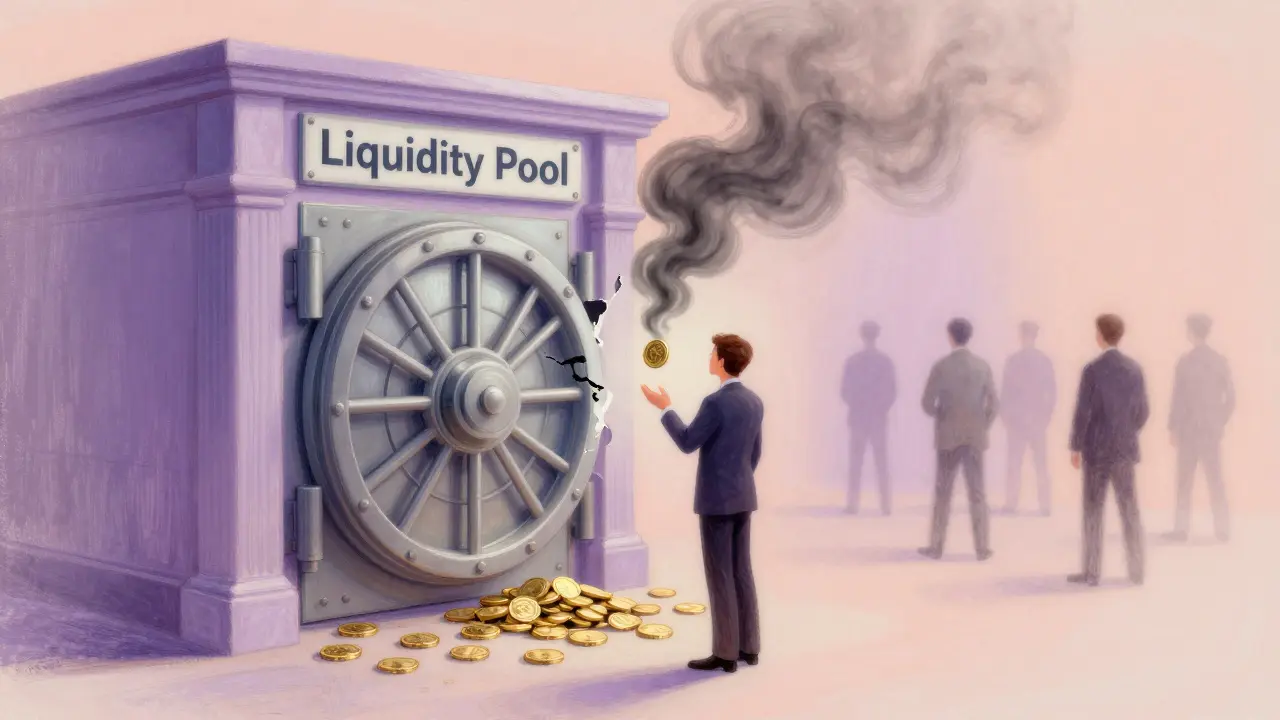
A rug pull is when the creators of a cryptocurrency project suddenly disappear with all the money investors put in. The name comes from the phrase "pulling the rug out from under you" - one second you’re standing on solid ground, the next, it’s gone. In DeFi, this happens through malicious code embedded in a smart contract. These aren’t bugs. They’re built-in backdoors.Think of it like opening a bank account, depositing $10,000, and being told you can withdraw anytime. Then, one day, the bank’s app stops working. You log in - your balance is still there. But when you try to withdraw? Nothing happens. Later, you find out the bank owner quietly transferred all the money to an offshore wallet. That’s a rug pull.
The Three Main Ways Rug Pulls Work
Not all rug pulls are the same. There are three main patterns, each with different tech and tricks.Liquidity Pull: The Classic Drain
This is the most common type. Developers create a new token - say, $MOONBEAM - and pair it with ETH or BNB on a decentralized exchange like Uniswap or PancakeSwap. They add a small amount of liquidity to make it look real. Then they run ads, post on Twitter, hire influencers, and promise 100x returns. People rush in. Liquidity pools fill up with millions.Then - boom. The devs call the removeLiquidity function. In seconds, they drain every single ETH or BNB from the pool. The token still exists. You can still see it in your wallet. But now it’s worthless. No one can trade it because there’s no liquidity left. The price drops to zero. And there’s nothing you can do.
The SQUID token in 2021 used this exact method. Investors lost $3.38 million. The contract had no locks. No audits. Just a simple function that let the owners withdraw everything.
Honeypot: The Trap That Won’t Let You Leave
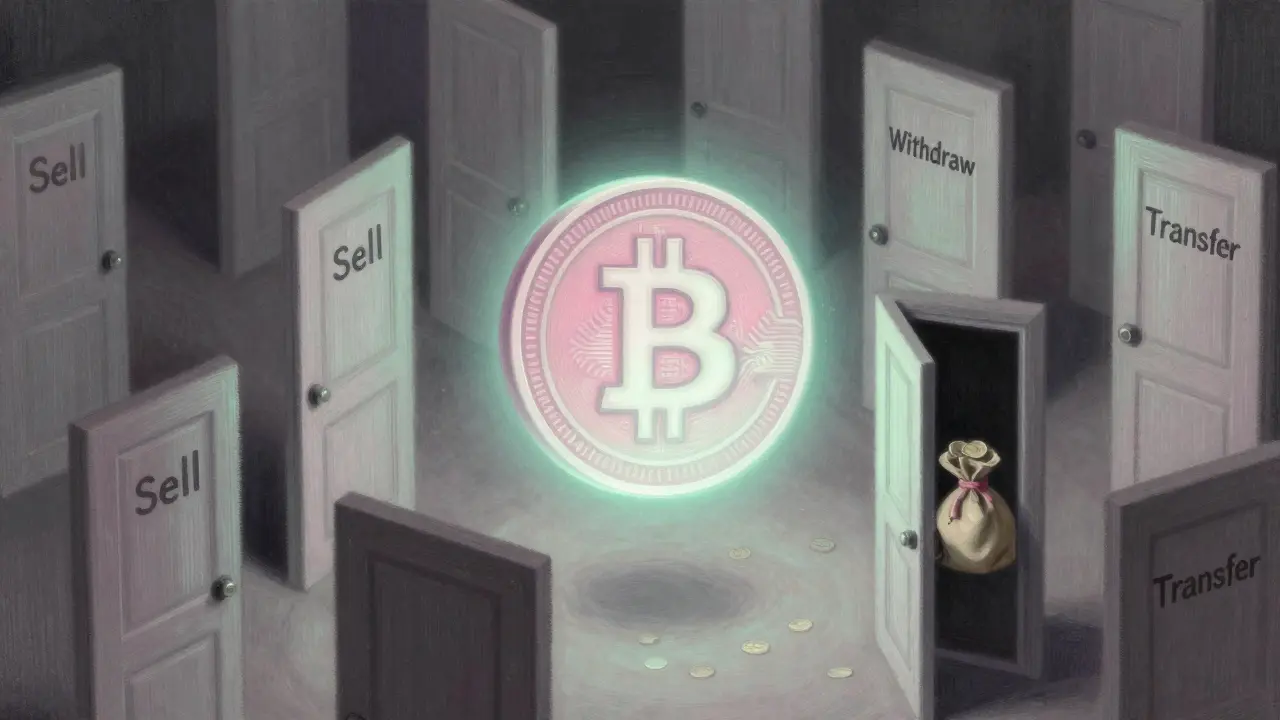
This one’s sneakier. With a honeypot, you can buy the token just fine. But you can’t sell it. Not ever. The smart contract is coded to block sell orders from any wallet except the devs’ own.It’s like buying a ticket to a concert, but the venue only lets the band leave through the back door. Everyone else is stuck inside.
The developers slowly buy more of their own token to drive the price up. They post screenshots of "profits". They livestream "trading". People see the price rising and jump in - thinking they’re getting in early. But every time someone tries to sell? The transaction fails. The contract says "Access Denied".
Eventually, the devs sell their entire stash. The price crashes. The token becomes untradeable. And the investors? They’re locked in with digital trash.
Real-world examples like SQUID Game showed how hard this is to spot. Even experienced traders got fooled because the contract looked normal on the surface. Only after testing a sell transaction did they realize it was rigged.
Pump and Dump: The Celebrity-Backed Scam
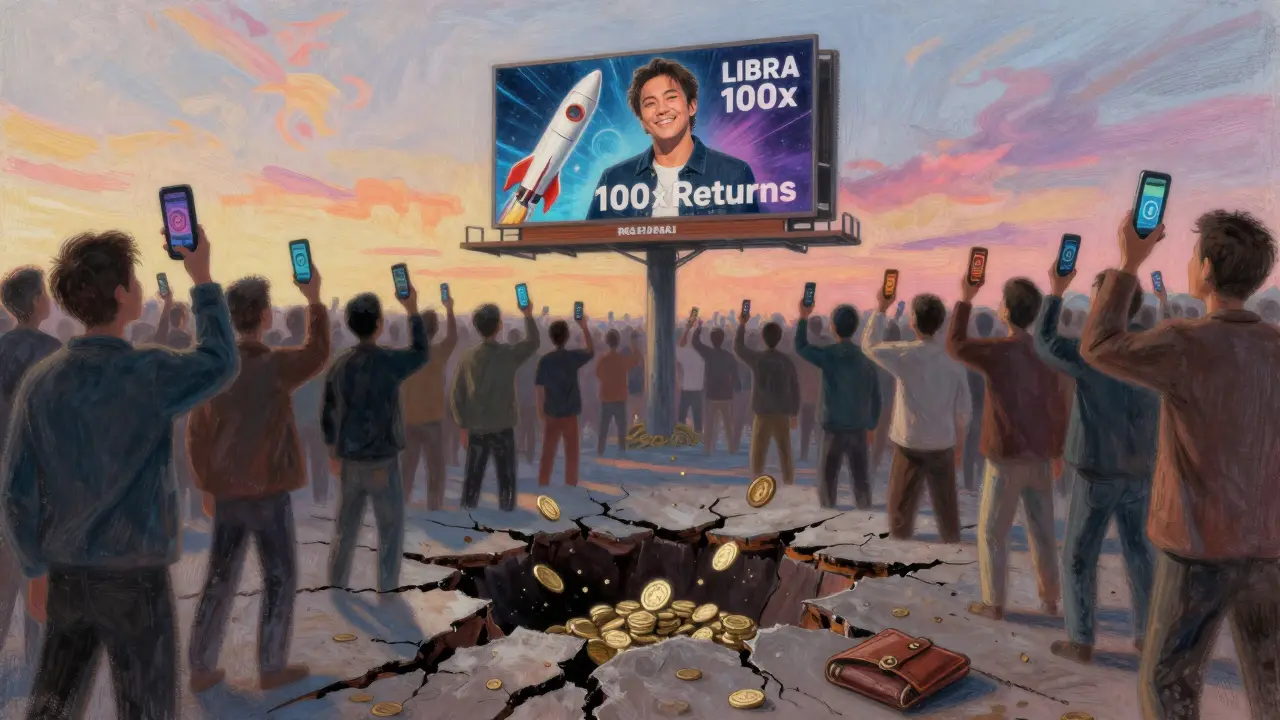
This one doesn’t need sneaky code. It just needs a loud voice and a big wallet.Developers create a token. They mint 1 billion units. They keep 80% for themselves. Then they launch a PR blitz. They get a famous person - maybe a politician, a celebrity, or a crypto influencer - to promote it. In February 2025, Argentinian President Javier Milei publicly endorsed a token called LIBRA. Within hours, the price surged. Thousands rushed to buy.
But the insiders had already planned their exit. As soon as the hype peaked, they dumped their 82% holding all at once. The market couldn’t absorb it. The price crashed 95% in under an hour. Over $107 million vanished. No smart contract trick. Just pure market manipulation.
This is called a "soft rug pull" - no code exploit, just a coordinated sell-off. But the result is the same: investors lose everything.
How to Spot a Rug Pull Before It’s Too Late
You can’t stop every scam. But you can avoid the most obvious ones. Here’s what to check before investing:- Anonymous team? If you can’t find names, LinkedIn profiles, or past projects - walk away. Legit teams don’t hide.
- No liquidity lock? A real project locks liquidity for at least 6-12 months. Use tools like Unicrypt or Team Finance to verify locks. If there’s no lock, it’s a red flag.
- Contract hasn’t been audited? If the project says "audited" but won’t show the report, or if the audit was done by an unknown firm - don’t trust it. Check the audit firm’s reputation.
- Too many tokens in one wallet? If one address holds more than 50% of the supply, that’s a dump waiting to happen. Look at the token’s distribution on Etherscan or BscScan.
- "100x returns" or "guaranteed profits"? If it sounds too good to be true, it is. Real DeFi projects don’t promise returns. They explain how they create value.
Also, test the sell function yourself. Use a small amount - say, $10 worth of the token. Try to sell it. If the transaction fails, or if you get an error like "Unauthorized" or "Sell disabled" - you’re in a honeypot. Close your position immediately.
Why These Scams Keep Working
You’d think after billions lost, people would learn. But they don’t. Why?Because scammers don’t rely on tech alone. They use psychology. FOMO. Celebrity endorsements. Fake progress bars. Telegram groups full of bots pretending to be investors. They create the illusion of momentum.
And blockchain makes recovery impossible. Once the liquidity is gone, the code is immutable. There’s no customer service. No chargeback. No bank to call. You’re on your own.
The LIBRA token scam in 2025 proved that even high-profile names can be weaponized. People trusted a president - not the code. And that’s the real danger.
What’s Being Done to Stop It?
The DeFi community isn’t sitting still. Tools are emerging:- Liquidity lock verifiers now scan contracts automatically and flag projects without locks.
- Smart contract scanners like RugDoc and TokenSniffer check for honeypot functions and admin overrides.
- Community watchdogs on Discord and Twitter monitor new launches and warn users before they invest.
But the best defense is still you. No tool can replace your own due diligence.
The Bottom Line
Rug pulls aren’t rare. They’re routine. Every week, new ones pop up. Some use complex code. Others use a tweet. But they all have one thing in common: they exploit trust.If you’re investing in a new token, assume the devs are trying to steal from you - until proven otherwise. Check the contract. Check the team. Check the liquidity. And never invest more than you’re willing to lose.
Because in DeFi, there’s no safety net. Only vigilance.
Can you recover funds after a rug pull?
No. Once a rug pull executes, the funds are permanently moved out of the liquidity pool or contract. Blockchain transactions are irreversible. There’s no central authority to reverse them. Recovery efforts are almost always unsuccessful. The only way to "recover" is to avoid the scam in the first place.
Are all new tokens rug pulls?
No. Many legitimate DeFi projects launch with transparent teams, audited contracts, and locked liquidity. But the vast majority of new tokens - especially those promoted on social media with promises of quick profits - are high-risk. Treat every new token as a potential scam until you’ve verified its code, team, and liquidity structure.
How do honeypot contracts prevent selling?
Honeypot contracts use conditional logic in their sell function. For example, they check if the sender’s wallet address is on a whitelist of approved developer wallets. If it’s not, the transaction reverts with an error like "Sell not allowed". This looks like a bug to most users, but it’s intentional. Only the devs can sell because their wallets are hardcoded as exceptions.
Can audits guarantee a token is safe?
No. Audits can miss malicious code if the auditor doesn’t test edge cases. Some scammers even pay for fake audits from shady firms. Always check the auditor’s reputation, the date of the audit, and whether it covers functions like removeLiquidity, setOwner, and mint. A clean audit doesn’t mean safe - it just means the code passed a basic review.
Why do rug pulls still work in 2026?
Because new investors keep entering the market without understanding how smart contracts work. Scammers target people who trust influencers, celebrities, or flashy websites. They don’t need to fool experts - just enough new users to drain millions. As long as there’s FOMO and ignorance, rug pulls will keep happening.
lol another crypto post 😒 i swear half these 'educational' threads are just scammers teaching you how not to get scammed so they can scam you better. i lost $200 on a token last week. lesson learned: if it says '100x', it's a trap. 🤡
i read this whole thing and still dont get why people think blockchain is safe like its some magic shield lol its just code and code can be rigged like anything else. the devs dont even need to be sneaky just need one person to believe in the hype and boom money gone
The structural vulnerabilities inherent in decentralized finance protocols are not merely technical anomalies-they are epistemological failures of trust architecture. The ontological instability of smart contract governance renders all participant agency illusory, particularly when liquidity provision is contingent upon opaque administrative overrides.
why do people keep falling for this? if the team is anonymous and the contract has no lock just close the tab. its not that hard. i lost money once and now i just scroll past all the 100x posts. done.
I'm sorry, but this is why I refuse to engage with crypto anymore. It's not just risky-it's unethical. People are being deliberately manipulated by greed, celebrity culture, and false promises. There's no room for moral ambiguity here. If you're profiting from ignorance, you're a predator.
you guys act like honeypots are some new invention. bro they've been around since 2018. i tested one last year with $5. transaction failed. i screenshot it. posted it on twitter. got 200 likes. no one cared. the market is just a feeding ground for the gullible.
THEY'RE NOT EVEN TRYING ANYMORE. The SQUID token was a joke. The LIBRA token was a national scandal. And yet, every week, a new project drops with a Discord full of bots, a whitepaper written in ChatGPT, and a TikTok influencer doing a dance with a crypto logo. We're not in a gold rush. We're in a circus.
I've been in crypto since 2017. I've seen bull runs and crashes. But what's different now is how professional the scams have become. Fake audits. Real-looking websites. Paid testimonials. It's not some guy in his basement anymore. It's companies with marketing budgets. And that's scarier.
LOOK. I know it sounds crazy. But if you take 10 minutes to check the contract on Etherscan. If you look for the lock. If you see if the team has a LinkedIn. You can avoid 90% of these scams. It's not hard. It's just annoying. And most people don't want to be annoyed. So they lose money. And then they blame the system. Stop being lazy. Do the work.
i think the real issue here is that people want to believe in something bigger than themselves. crypto promises a new world where money is free and fair. and when you're desperate for hope, even a fake promise feels real. i get it. i used to invest in things i didnt understand just because i wanted to be part of the future. now i just stick to btc and eth. simpler. safer. less emotional.
This is not a financial issue. It is a moral collapse. We have normalized the idea that someone can create a token, profit from the naivety of strangers, vanish into the blockchain ether, and face zero consequences. This is not innovation. This is theft dressed up as disruption. And we are complicit because we keep clicking 'buy'.
i feel you all. i lost money too. but hey. i learned. now i only look at projects with real teams and audits i can read. and i never put in more than i can afford to lose. its not about getting rich. its about not getting crushed. take your time. breathe. youll be fine
i read this and still dont know if i should invest in the next meme coin or just burn my wallet. lol jk. kinda. i think i need a nap.
The concept of liquidity locks and contract audits is not universally accessible to non-English-speaking communities. Many new entrants from emerging economies lack the tools or language fluency to perform due diligence. This systemic exclusion is a structural flaw in DeFi's democratization narrative.
Oh, so now we're pretending that 'checking the contract' is some profound act of wisdom? How quaint. The fact that you need a PhD in Solidity to avoid getting scammed is the entire problem. If a financial system requires you to be an expert just to not get robbed, it's not a system-it's a trap.
The LIBRA token incident was a masterclass in manipulation. A sitting president endorsing a token? That’s not marketing. That’s state-sponsored fraud. And yet, no one got prosecuted. No one even apologized. This isn’t crypto. It’s a legal black hole.
i mean… if you’re not checking the contract yourself… you’re basically handing your money to a stranger and saying 'do whatever you want'. i dont get how people are surprised when it goes wrong. its like buying a car without checking the engine. then crying when it breaks down.
dont give up on crypto. there are legit projects out there. i found one last month. team is real. audit done. liquidity locked. price is slow but steady. its not about getting rich quick. its about building something real. take your time. learn. youll find it.
I've helped five friends avoid rug pulls this year. All I did was ask them: 'Can you show me the audit report? Is the liquidity locked? Who is the team?' If they couldn't answer, we walked away. Simple. No drama. No hype. Just basic questions. You don't need to be an expert-you just need to be cautious.
The deeper question isn't how rug pulls work. It's why we keep enabling them. We treat crypto like a casino, then get angry when we lose. But casinos are regulated. Crypto isn't. The absence of oversight isn't a feature-it's the design.
bro i tried to sell a token once and it said 'access denied' 😭 i thought my wallet was hacked. turned out it was a honeypot. i lost $40. but now i always test with $5 first. just to be safe. 🤞
The normalization of financial predation under the guise of 'decentralization' is a profound irony. We celebrate the destruction of intermediaries, yet we've created a new class of unregulated gatekeepers-those who control the code. The revolution was supposed to liberate. Instead, it has restructured exploitation.
This is why America needs to ban crypto. It's a foreign scam machine. People in India and Nigeria lose money every day. We're the ones funding these operations. And our government sits back and lets it happen. This isn't innovation. It's economic colonialism.
^^^ this guy gets it. i just posted about my $200 loss and someone replied with a 10 paragraph essay about 'trust architecture'. bro i just want to know if i should buy $DOGE or not 😅