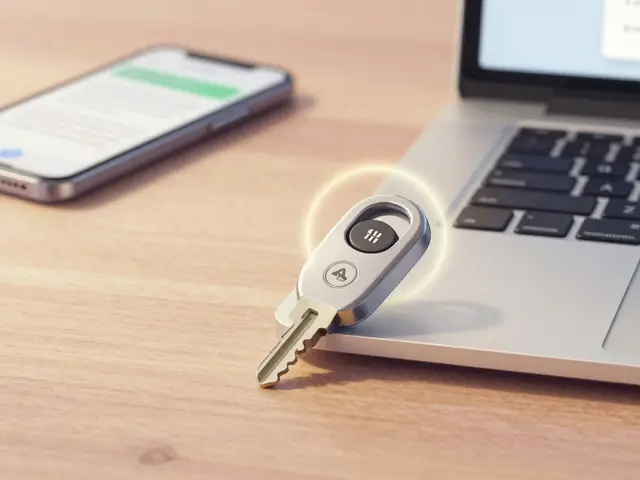

How Confirmation Time Stops Double-Spends in Blockchain
Jonathan Jennings
Bitcoin Long-Term Holding: Why HODLing Works and Who It’s Really For
When people talk about Bitcoin long-term holding, the practice of buying Bitcoin and keeping it for years, regardless of market swings. Also known as HODLing, it’s one of the most common ways people interact with Bitcoin—not as a trading tool, but as a store of value. This isn’t about timing the market. It’s about trusting the system enough to ignore the noise. And it’s worked—for many, it’s the only strategy that actually delivered real returns over time.
What makes Bitcoin long-term holding, the practice of buying Bitcoin and keeping it for years, regardless of market swings. Also known as HODLing, it’s one of the most common ways people interact with Bitcoin—not as a trading tool, but as a store of value. different from short-term trading? It doesn’t need constant attention. You don’t need to watch charts all day. You don’t need to understand complex indicators. You just need to buy, secure your coins, and walk away. The real work happens before you buy: learning how to store Bitcoin safely, understanding that volatility is normal, and accepting that you’re betting on the long-term adoption of a decentralized currency.
This approach relies on a few key things. First, Bitcoin storage, the secure management of Bitcoin private keys, typically using hardware wallets or cold storage. If you leave your Bitcoin on an exchange, you’re not really holding it—you’re trusting someone else to hold it for you. That’s risky. We’ve seen exchanges like TRIV, Web3.World, and THDax fail or vanish. If you’re serious about long-term holding, you need control. Second, buy and hold Bitcoin, a passive investment strategy focused on accumulating Bitcoin over time without reacting to short-term price movements requires patience. It means ignoring the hype around meme coins like WifeDoge or DuckCoin, and staying focused on Bitcoin’s network strength, scarcity, and growing institutional adoption. Third, it needs discipline. When Bitcoin drops 30% in a week, most people panic. Those who hold don’t sell—they ask: is the network still working? Are people still using it? Is the code still secure? If the answer is yes, you keep holding.
It’s not for everyone. If you need quick cash or love the thrill of trading, this isn’t your path. But if you believe Bitcoin has value beyond speculation—if you see it as digital gold, a hedge against inflation, or a tool for financial independence—then long-term holding makes sense. It’s the strategy behind the biggest Bitcoin winners. Not the ones who bought at the bottom and sold at the top. The ones who bought once, locked it away, and never looked back.
Below, you’ll find real reviews and breakdowns of exchanges, security practices, and crypto scams that could mess with your long-term plan. Some posts show you how not to store Bitcoin. Others explain why KYC and regulation matter when you’re holding for years. You’ll see what happens when a platform like Amaterasu Finance dies overnight, or when a "zero-fee" exchange like Cube Exchange leaves you without protection. This isn’t about trading tips. It’s about protecting your assets so they’re still there in five, ten, or twenty years.
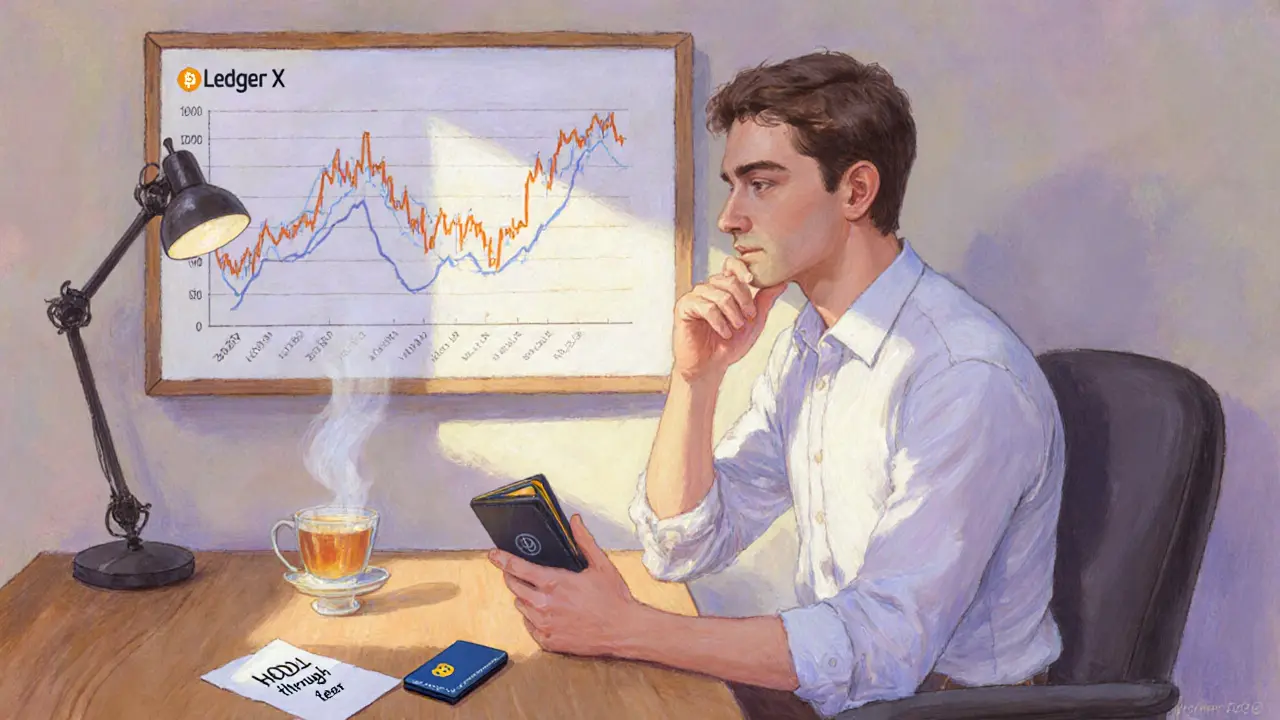
Learn when to hold and when to sell cryptocurrency using proven strategies from institutional investors and real market data. Avoid emotional mistakes and build a smart HODL portfolio that lasts.
Jonathan Jennings Nov 15, 2025