Polycat Finance Review: A Niche DEX with Limited Activity
Jonathan Jennings
NFT Counterfeit Prevention: How to Spot Fake NFTs and Avoid Scams
When you buy an NFT, you’re not just buying a digital image—you’re buying proof of ownership on a blockchain. But NFT counterfeit prevention, the practice of identifying and blocking fake or copied NFTs to protect buyers and creators is often ignored until it’s too late. A single fake NFT listing can drain your wallet, and most platforms don’t verify authenticity before you click "Buy." This isn’t theoretical—last year, over 80% of new NFT marketplaces had at least one verified counterfeit collection, according to blockchain security reports. You need to know how to check before you pay.
NFT authenticity, the verified link between a digital asset and its original creator on-chain doesn’t happen by accident. It comes from checking the contract address, verifying the creator’s wallet, and cross-referencing with the official project site. Many scammers copy popular art, rename the collection, and list it on OpenSea or LooksRare with a fake blue check. Real NFTs have transparent histories: you can trace every mint, transfer, and sale. If the earliest transaction shows a new wallet buying 10,000 tokens in one go, that’s a red flag. Legit projects rarely drop that many at once.
NFT verification, the process of confirming an NFT’s origin using on-chain metadata and off-chain proofs isn’t just for experts. You can do it in under a minute. Start by clicking the NFT’s contract address on OpenSea. Go to Etherscan or Solana Explorer and check the token ID’s creation date. Does it match the project’s launch? Look at the creator’s other activity—are they known in the community? Have they verified their social accounts? Fake NFTs often come from wallets with no other transactions, no followers, and no history. Also, never trust a Discord link sent via DM. Legit teams never ask you to connect your wallet there.
And don’t forget NFT scams, fraudulent schemes designed to trick users into paying for worthless or stolen digital assets. The most common? Fake airdrops that ask for your seed phrase. Or “limited edition” NFTs that are just copies of free ones. Some scammers even clone entire websites—down to the fonts and colors—just to steal your MetaMask login. Always type the URL yourself. Bookmark the real site. And if a deal looks too good to be true, it is.
This collection of posts gives you real examples of what to look for. You’ll see how $15.8 billion in sanctioned crypto flows exposed how easy it is to hide bad actors on-chain. You’ll learn why platforms like BCEX Korea and THDax are scams—because they lack basic verification. You’ll find out how KYC and OFAC compliance help filter out fraud, and why running a node or using a trusted wallet like MetaMask isn’t just tech talk—it’s your first line of defense. These aren’t theory pieces. They’re field reports from people who’ve lost money—and then learned how to stop it.
By the end of this guide, you won’t just know what a fake NFT looks like. You’ll know how to prove it’s fake—and walk away before you hand over your crypto.
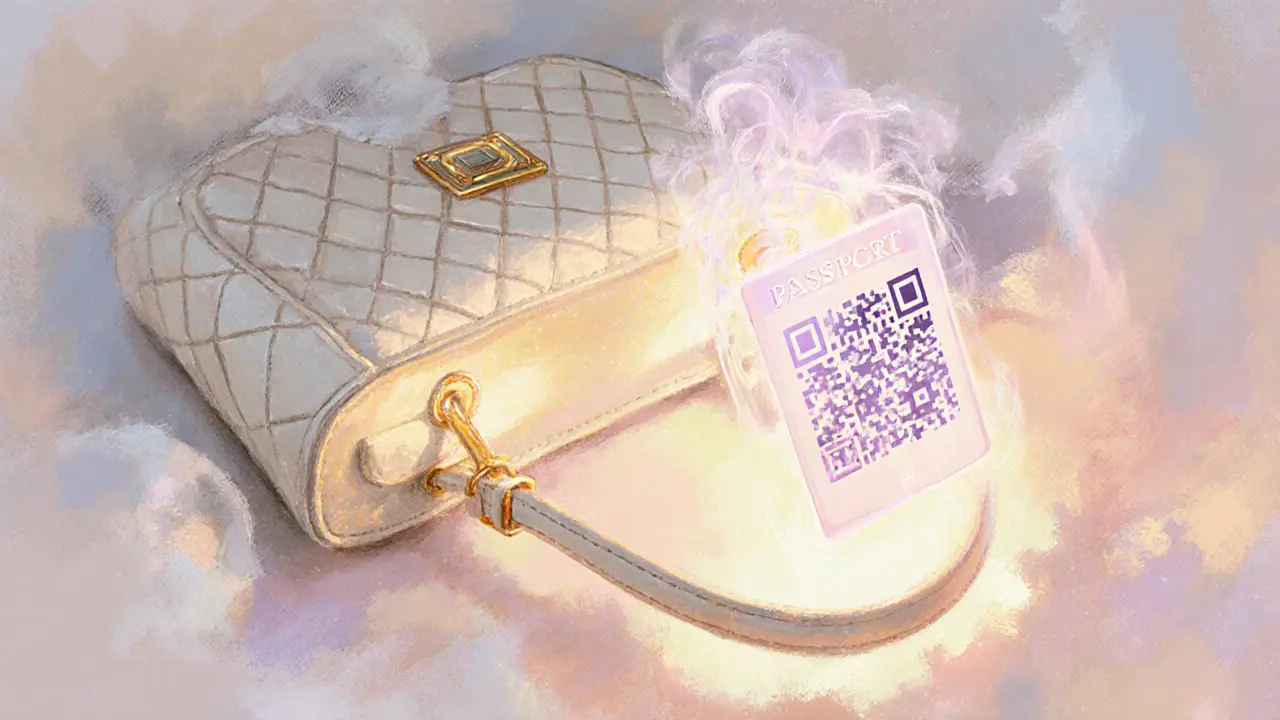
NFTs are transforming luxury goods authentication by creating tamper-proof digital passports for handbags, watches, and jewelry. Brands like Louis Vuitton and Cartier now use blockchain to prove authenticity, fight counterfeiting, and boost resale value.
Jonathan Jennings Nov 22, 2025