
What is Print Protocol (PRINT)? Solana Reflection Token Explained
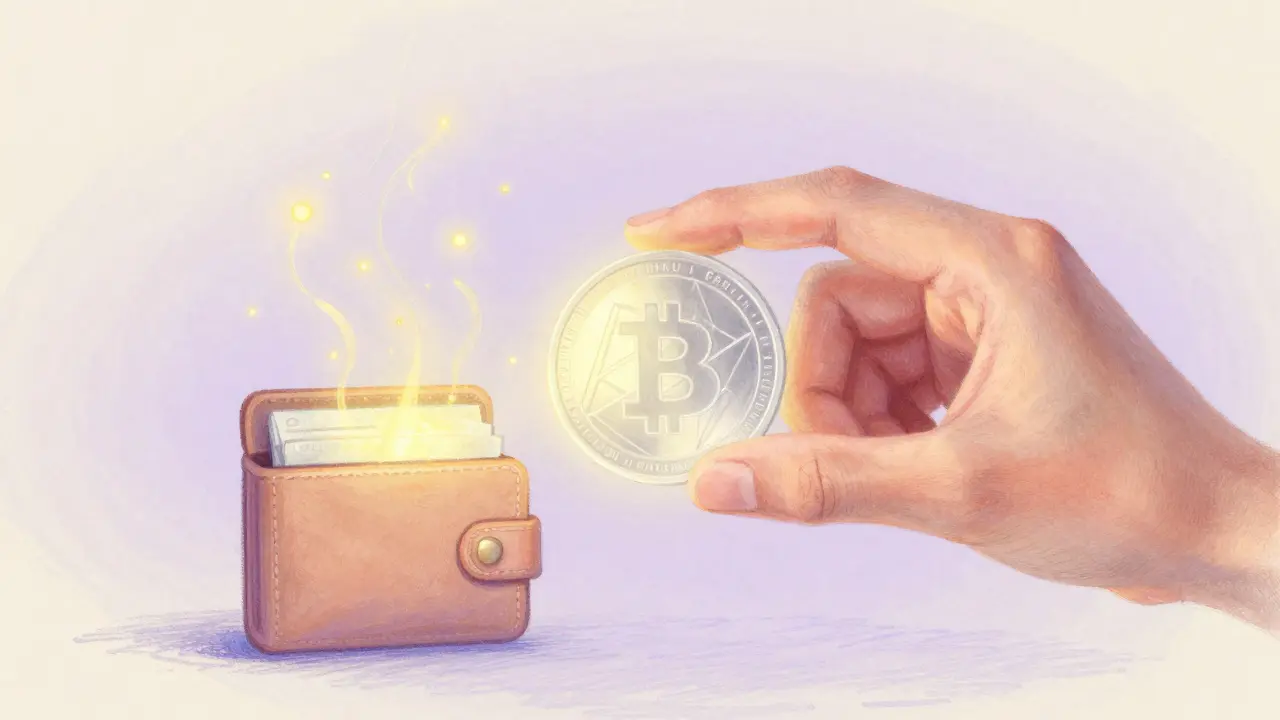
Imagine a cryptocurrency that pays you simply for holding it. No staking contracts, no locking periods, and no manual claiming buttons. This is the core promise of Print Protocol, also known as PRINT token. It is a Solana-based reflection token designed to distribute passive rewards directly to holders' wallets in Solana (SOL).
If you have been following the Solana ecosystem, you know speed and low fees are its biggest selling points. Print Protocol leverages these exact traits to create a "Hold-to-Earn" model. Unlike traditional tokens where you buy, hold, and hope the price goes up, PRINT aims to give you immediate utility through transaction taxes converted into SOL. But how does it actually work, and is it just another hype coin?
How Print Protocol Works: The Mechanics
To understand PRINT, you need to look at its tax structure. Most cryptocurrencies charge a small fee for trading, often going to liquidity pools or developers. Print Protocol takes a different approach. Every time someone buys or sells PRINT, an 8% transaction tax is applied.
Here is the breakdown of that 8%:
- 6% goes to holders: This portion is automatically swapped from PRINT tokens into Solana (SOL) and distributed proportionally to all wallet addresses holding PRINT.
- 2% goes to operations: This funds project development, marketing, and maintenance.
The key innovation here is the automation. In older reflection token models on networks like Ethereum, users had to manually claim their rewards. This required gas fees, which often ate up the profits for small holders. Because Print Protocol lives on Solana, transactions cost fractions of a cent. The protocol’s smart contract handles the swapping and distribution in the background. You just check your wallet, and the SOL is there.
Tokenomics and Supply Details
When evaluating any crypto asset, supply dynamics matter. Print Protocol has a fixed total supply of 9.95 billion PRINT tokens. Both the maximum supply and circulating supply are listed at this same figure. This means there are no hidden allocations waiting to be unlocked, nor will new tokens be minted later. All existing tokens are currently in circulation.
| Attribute | Value |
|---|---|
| Total Supply | 9.95 Billion |
| Blockchain | Solana |
| Transaction Tax | 8% (Buy & Sell) |
| Reward Distribution | 6% to Holders (in SOL) |
| Operations Fee | 2% |
| Standard | Solana Token-2022 |
The use of the Solana Token-2022 standard is significant. This updated standard allows for more flexible token features, including transfer hooks and confidential transfers, providing a more robust foundation than the original SPL token standard. This technical choice helps ensure the security and functionality of the automatic reward system.

Why Solana? The Infrastructure Advantage
You might wonder why this model isn’t common on other blockchains. The answer lies in transaction costs. On Ethereum, sending even a tiny amount of ETH can cost $5-$20 in gas fees during busy periods. If your reflection reward is worth $0.10, you lose money trying to claim it. This makes "auto-distribution" economically unviable on high-fee chains.
Solana processes thousands of transactions per second with fees typically under $0.01. This efficiency allows Print Protocol to execute millions of micro-transactions daily without breaking the bank. The synergy between the Solana blockchain’s speed and the token’s design is what makes the "Hold-to-Earn" model feasible. Without Solana’s infrastructure, the friction would likely kill the user experience.
How to Buy and Store PRINT Tokens
If you decide to participate, you need a compatible wallet and access to a decentralized exchange. Here is the step-by-step process:
- Set up a Wallet: Download a Solana-compatible wallet like Phantom Wallet. Secure your seed phrase offline.
- Fund with SOL: Purchase Solana (SOL) from a major exchange (like Binance or Coinbase) and send it to your Phantom wallet address.
- Connect to DEX: Go to Flux Beam, a popular decentralized exchange on Solana. Connect your Phantom wallet.
- Swap for PRINT: Search for the PRINT token contract address (always verify this on official channels to avoid scams). Swap your SOL for PRINT.
- Wait for Rewards: Once you hold PRINT, start monitoring your wallet. The SOL rewards will appear automatically over time based on trading volume.
Note that you do not need to stake your tokens anywhere. Simply keeping them in your non-custodial wallet is enough to trigger the reward mechanism.

Risks and Considerations
No cryptocurrency investment is risk-free, and reflection tokens come with specific caveats you should understand before buying.
- Trading Volume Dependency: Your rewards depend on how much people trade. If trading volume drops, the pool of SOL available for distribution shrinks. You could hold the token for months and earn very little if the market goes quiet.
- Price Volatility: Like most meme or community-driven tokens, PRINT can experience sharp price swings. An 8% tax on every trade can discourage large investors or institutional buyers who prefer lower-cost assets.
- Smart Contract Risk: While the code is public, any automated system carries inherent risks. Always audit the source code yourself or rely on reputable third-party audits if available.
- Regulatory Uncertainty: As regulators worldwide scrutinize crypto assets, tokens that offer passive income may face scrutiny regarding whether they constitute securities. Keep an eye on legal developments in your jurisdiction.
Community and Future Outlook
Print Protocol launched with a strong push into the Solana Mobile community, distributing tokens to early device users. This created a broad base of initial holders. The project’s broader initiative, PrintFun, aims to build on-chain infrastructure for sustainable communities, focusing on transparent reward systems rather than extractive fee structures.
The long-term viability of PRINT hinges on maintaining active community engagement and consistent trading volume. If the project succeeds in building a loyal holder base that views PRINT as a store of value plus income generator, it could carve out a unique niche in the Solana ecosystem. However, if interest wanes, the reward mechanism will naturally slow down.
Is Print Protocol (PRINT) a safe investment?
Like all cryptocurrencies, PRINT carries risk. It is a speculative asset with high volatility. The safety depends on your risk tolerance, understanding of smart contract risks, and the project's ability to maintain trading volume. Never invest more than you can afford to lose.
Do I need to stake my PRINT tokens to get rewards?
No. Print Protocol uses a "Hold-to-Earn" model. You simply keep the tokens in your Solana-compatible wallet (like Phantom). The rewards are distributed automatically via the transaction tax mechanism; no staking contract is required.
Where can I buy PRINT tokens?
You can buy PRINT on decentralized exchanges (DEXs) built on Solana, such as Flux Beam. You will need SOL in your wallet to swap for PRINT tokens.
Why is the transaction tax so high (8%)?
The 8% tax funds the reward system. 6% is redistributed to holders as SOL, and 2% supports project operations. This model prioritizes passive income for holders over low trading fees, appealing to those seeking yield rather than quick trades.
What happens if trading volume drops?
If trading volume decreases, the amount of SOL generated from taxes decreases. Consequently, the rewards distributed to each holder will become smaller or less frequent. The system is directly tied to market activity.