Crypcore Crypto Exchange Review: Is It Legit or a Red Flag?
Jonathan Jennings
Crypto Regulations and Airdrops in November 2025: What Actually Happened
When it comes to crypto regulations, government rules that control how cryptocurrencies are bought, sold, and tracked to prevent fraud and money laundering. Also known as crypto compliance, it's no longer optional—it's the backbone of any legitimate crypto project in 2025. This month, regulators didn’t just watch—they acted. Upbit faced over half a million KYC failures, Tunisia held firm on its total crypto ban, and Turkey introduced new account-freezing powers. Meanwhile, the U.S. OFAC hit $15.8 billion in sanctioned crypto flows with real fines, forcing exchanges to block wallets or risk $750,000 penalties. This isn’t about control—it’s about survival. If you’re trading, staking, or chasing airdrops, you’re operating inside a system that’s now monitored, mapped, and enforced.
And that’s why so many airdrops, free token distributions promised by projects to attract users, often used as bait for scams. Also known as token giveaways, they’re now more dangerous than ever. GameFi Protocol’s GFI airdrop? Fake. KubeCoin’s presale? Dead since 2022. WifeDoge? No official drop—just exchange rewards dressed up as free crypto. These aren’t glitches. They’re tactics. Scammers know people still believe in free crypto. But in November 2025, every fake airdrop was traced back to a phishing site, a fake Twitter account, or a cloned exchange. Meanwhile, real airdrops like Phala Network’s PHA token had clear deadlines, verified claims, and blockchain records you could check. The line between opportunity and trap got sharper than ever.
Behind the scenes, the infrastructure holding crypto together kept evolving. restaking, the process of reusing staked Ethereum to earn extra rewards on other protocols like EigenLayer. Also known as liquid restaking, it turned simple staking into a multi-layered yield game. Users saw returns jump to 8–12%, but now they had to track slashing risks, protocol failures, and overlapping security layers. And while that happened, blockchain node, a computer that fully validates and stores blockchain data, helping keep the network decentralized and secure. Also known as full node, it’s still the quiet hero no one talks about. Running one doesn’t make you rich—but it stops centralized control. In a month where exchanges like BCEX Korea and Web3.World were exposed as hollow shells, nodes proved real decentralization isn’t a marketing term—it’s a technical choice.
What you’ll find below isn’t a list of headlines. It’s a record of what actually happened. You’ll see how a crypto ban in Tunisia still holds up, why NFTs are now used to authenticate luxury watches, and how a simple Bitcoin upgrade like the Lightning Network handles 89,000 active channels without breaking a sweat. Some posts warn you away from scams. Others show you how to use real tools—like dApps or BaaS—for real results. No fluff. No hype. Just what worked, what failed, and what you need to know before you move your next dollar.
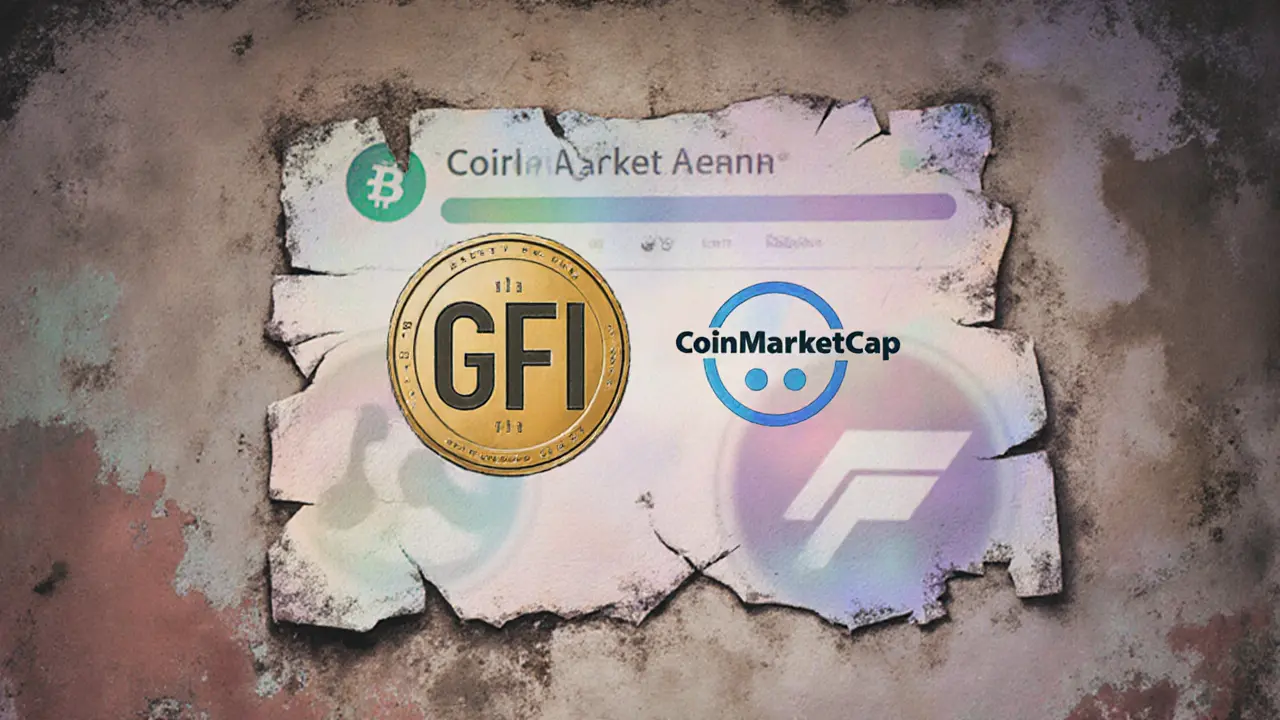
No GameFi Protocol (GFI) airdrop with CoinMarketCap ever happened. This is a persistent scam built on fake names and old hype. Learn how to spot the truth and avoid losing your crypto to fake airdrops.
Jonathan Jennings Nov 30, 2025
Restaking lets you earn extra rewards on your staked Ethereum by using it to secure other blockchain services. It boosts yields to 8-12% but adds complexity and risk. Learn how it works, who uses it, and whether it's right for you.
Jonathan Jennings Nov 29, 2025
The Lightning Network is a state channel system that enables instant, low-cost Bitcoin payments off-chain. With over 89,000 active channels, it solves Bitcoin's scalability problem without changing the base layer.
Jonathan Jennings Nov 27, 2025
Upbit faced over 500,000 KYC violations, exposing systemic failures in South Korea’s largest crypto exchange. This case reshaped crypto regulation in Asia and set new global standards for compliance.
Jonathan Jennings Nov 26, 2025
Tunisia banned all cryptocurrency transactions in 2018, making it one of the strictest crypto regimes globally. This article explains why, how it's enforced, what's still happening underground, and whether the ban might end soon.
Jonathan Jennings Nov 25, 2025
Learn how to buy and sell NFTs in 2025 with a clear, step-by-step guide. Avoid scams, understand fees, and use OpenSea and MetaMask like a pro.
Jonathan Jennings Nov 24, 2025
In 2024, $15.8 billion in cryptocurrency flowed to sanctioned entities, proving crypto is now a key tool for illicit finance. Bitcoin dominated, DeFi enabled evasion, and exchanges like Garantex became targets. Here's what it means for users and regulators.
Jonathan Jennings Nov 23, 2025
NFTs are transforming luxury goods authentication by creating tamper-proof digital passports for handbags, watches, and jewelry. Brands like Louis Vuitton and Cartier now use blockchain to prove authenticity, fight counterfeiting, and boost resale value.
Jonathan Jennings Nov 22, 2025
Byzantine Fault Tolerance enables permissioned blockchains to reach consensus even with malicious nodes, offering fast finality and high throughput for enterprises. Learn how PBFT works, where it's used, and why it's not for everyone.
Jonathan Jennings Nov 21, 2025
Learn how to claim 30 PHA tokens from the Phala Network airdrop before November 20, 2025. Requirements, steps, risks, and what happens after the Polkadot parachain shuts down.
Jonathan Jennings Nov 20, 2025
Turkey allows crypto trading but bans payments with digital assets. New 2025 rules require heavy licensing, mandatory KYC, and give authorities power to freeze accounts. Learn how this affects traders and the future of crypto in Turkey.
Jonathan Jennings Nov 19, 2025
As of 2025, there is no active KubeCoin (KUBE) presale or airdrop. The last presale ended in 2022, and the project shows no signs of revival. Beware of scams claiming otherwise.
Jonathan Jennings Nov 18, 2025