
How to Analyze the Bitcoin Genesis Block on Block Explorers: A Step-by-Step Guide
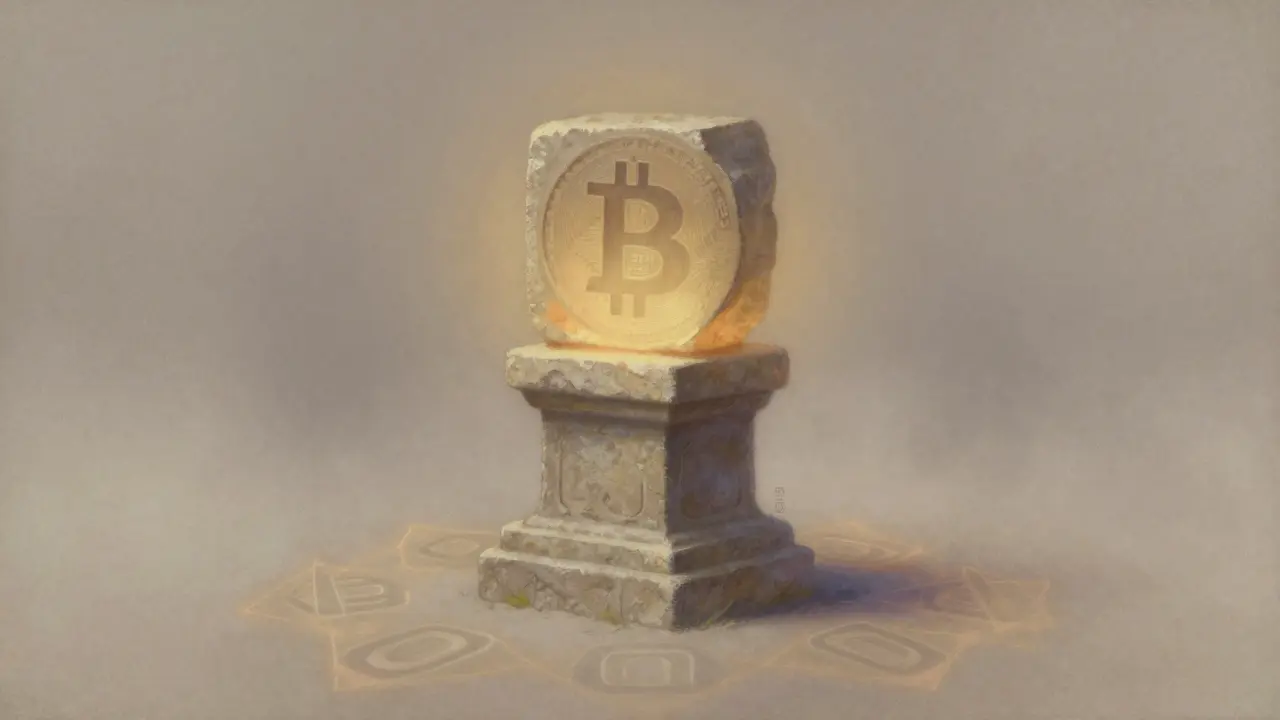
Have you ever wondered where it all started? Before the massive networks, the complex DeFi protocols, and the billions of dollars in market cap, there was just one block. It’s called the genesis block, which is the very first block created in a blockchain network, serving as the cryptographic root of trust for the entire ledger. For Bitcoin, this isn't just history; it's the anchor that holds the entire digital economy together. If you want to understand how blockchain verification works, you need to look at Block 0.
You don't need a computer science degree or a mining rig to see it. You just need a browser and a bit of curiosity. In this guide, we’ll walk through exactly how to find, read, and interpret the data hidden inside Bitcoin’s genesis block using popular block explorers, which are web-based tools that allow users to search and analyze transactions, blocks, and addresses on a blockchain.. We will decode the famous newspaper headline, explain why the initial 50 BTC reward can never be spent, and show you how to verify that you’re looking at the real deal.
What Makes the Genesis Block Unique?
The genesis block is different from every other block that comes after it. Regular blocks have a parent-they point back to the previous block hash to create an unbroken chain. The genesis block has no parent. It points to nothing but zeros. This makes it the starting point of the timeline.
In Bitcoin’s case, this block was mined by Satoshi Nakamoto, the pseudonymous creator of Bitcoin who published the whitepaper and released the first software implementation. on January 3, 2009. It contains specific technical quirks that you won’t find anywhere else. Most notably, the coinbase transaction-the transaction that creates new coins-contains a script that makes the 50 BTC reward completely unspendable. Satoshi didn’t keep those coins. They are locked forever. Why? Because they were never meant to be part of the circulating supply. They serve as a marker, a timestamped proof that the network began at that exact moment.
When you look at a regular block, you see inputs and outputs moving money around. When you look at the genesis block, you see a statement of intent. It’s less about finance and more about cryptography and philosophy. Understanding this distinction is key before you start clicking around on explorers.
Choosing the Right Block Explorer
Not all block explorers are created equal. Some are built for quick transaction checks, while others offer deep dives into historical data. For analyzing the genesis block, you want a tool that provides raw data access alongside user-friendly explanations. Here are the top three options most analysts use:
- Blockchain.com: One of the oldest and most recognizable platforms. It offers a clean interface and explicitly labels the 50 BTC reward as "unredeemable." It’s great for beginners because it simplifies the jargon without hiding the facts.
- Blockstream Explorer: Built by developers who contribute to Bitcoin Core, this explorer follows strict protocol conventions. It clearly marks the block as height 0 and provides detailed views of the hex code, making it ideal for those who want to see the underlying structure.
- Blockchair: This tool shines if you want to compare Bitcoin’s genesis block with others. It supports multiple chains simultaneously, allowing you to see how different networks handle their starting blocks. However, it lacks some of the educational context found on the other two.
For this guide, we will primarily reference Blockchain.com and Blockstream Explorer, as they provide the clearest path for verifying the specific attributes of Bitcoin’s Block 0.
Step-by-Step: Finding the Genesis Block
Finding the genesis block is straightforward, but you need to know what to type. You can’t just search for "Genesis" in most cases. You need to use the block height or the unique hash.
- Open your chosen explorer: Go to Blockchain.com or Blockstream.info.
- Locate the search bar: Usually found at the top center of the page.
- Enter the block height: Type
0and hit enter. On some explorers, you might also try-1depending on how they index pre-genesis blocks, but0is the standard for Bitcoin. - Verify the hash: Once the page loads, check the block hash. It must match:
000000000019d6689c085ae165831e934ff763ae46a2a6c172b3f1b60a8ce26f. If it doesn’t, you’re looking at a testnet or a fork, not the main Bitcoin network.
If you did this correctly, you should see a timestamp from early 2009. The date will likely display as January 3, 2009, at 18:15:05 UTC. This is the exact moment the Bitcoin network came to life.

Decoding the Embedded Message
The most famous part of the genesis block is the message embedded in the coinbase field. Satoshi didn’t just mine a block; he left a note. To see it, you often need to look at the "Raw" or "Hex" view of the block, though many modern explorers decode it for you automatically.
The text reads: "The Times 03/Jan/2009 Chancellor on brink of second bailout for banks."
This is a direct reference to a headline from The Times, a British daily newspaper known for its political and economic reporting. UK edition on that day. Why include this? It serves two purposes. First, it proves that the block could not have been created before January 3, 2009, because the headline references a current event. Second, it highlights the motivation behind Bitcoin: creating a financial system independent of traditional banking institutions that required government bailouts during the 2008 financial crisis.
When analyzing this on a block explorer, look for the "Coinbase" section. On Blockchain.com, you’ll see the decoded string right there. On Blockstream, you might need to click on the transaction details to see the hex code `04ffff001d0104...` followed by the ASCII representation of the headline. This isn’t just flavor text; it’s a cryptographic timestamp that anchors the blockchain to real-world history.
Understanding the Unspendable Reward
This is where things get interesting. In every subsequent block, miners receive a reward (currently 3.125 BTC, halving roughly every four years). In the genesis block, the reward was 50 BTC. But here’s the catch: you can’t spend it. Ever.
On a block explorer, look at the transaction output. You’ll see the value listed as 50 BTC, but the address will look strange, or the status will say "Unspent" with a lock icon. On Blockchain.com, it explicitly states "the 50 bitcoin reward is unredeemable."
Why is it unspendable? Because the scriptPubKey (the locking script) used in that transaction is invalid for normal spending. It uses a special opcode that prevents any private key from unlocking it. This was a deliberate design choice. If Satoshi had kept those 50 BTC, it would have given him a disproportionate advantage over the rest of the network. By burning them, he ensured a fairer start. It also serves as a permanent marker in the codebase. If someone tried to alter the genesis block, the math wouldn’t add up, and the network would reject it.
When you analyze this data, you’re seeing the concept of "burning" tokens in action. It’s a common technique in tokenomics today, but Bitcoin did it first, right at the beginning.

Key Technical Attributes to Verify
To truly analyze the genesis block, you need to check a few specific data points. These aren’t just numbers; they define the security and integrity of the chain. Here is what you should look for on any reputable block explorer:
| Attribute | Value / Description | Significance |
|---|---|---|
| Block Height | 0 | Indicates the start of the chain. No previous block exists. |
| Previous Block Hash | 0000000000000000000000000000000000000000000000000000000000000000 | All zeros. Confirms there is no predecessor. |
| Merkle Root | 4a5e1e4baab89f3a32518a88c31bc87f618f76673e2cc77ab2127b7afdeda33b | The hash of the single coinbase transaction. |
| Timestamp | 1231006505 (Jan 3, 2009) | The Unix time when the block was mined. |
| Nonce | 2083236893 | The number used to solve the proof-of-work puzzle. |
| Difficulty | 1.00000000 | The easiest possible difficulty. No competition yet. |
Pay close attention to the Previous Block Hash. In any other block, this field links to the block before it. In the genesis block, it’s all zeros. This is the cryptographic "root" of the tree. If you change even one bit in this block, the hash changes, and the entire chain breaks. That’s why verifying this hash is so important-it’s the ultimate proof of authenticity.
Common Pitfalls and Misconceptions
Even experienced users can get tripped up when analyzing the genesis block. Here are a few things to watch out for:
- Testnet vs. Mainnet: Make sure you’re on the main Bitcoin network. Testnets have their own genesis blocks with different hashes and timestamps. Always check the URL or the network selector in the explorer’s header.
- Block Numbering: Some older software or alternative explorers might refer to the genesis block as Block 1. Modern standards, including Bitcoin Core, treat it as Block 0. Don’t panic if you see a discrepancy; just check the hash to confirm it’s the right block.
- Assuming Spendability: Never assume the 50 BTC is sitting in a wallet waiting to be moved. It’s burned. Any claim that Satoshi is about to spend these coins is technically impossible based on the current protocol rules.
- Confusing Forks: Bitcoin forks like Bitcoin Cash or Litecoin have their own genesis blocks. They may copy the headline, but their hashes and timestamps are different. Always verify the block hash against the official Bitcoin genesis hash.
Avoiding these mistakes ensures your analysis is accurate. Remember, the goal isn’t just to look at data; it’s to understand the integrity of the network. The genesis block is the foundation. If it’s solid, everything above it stands. If it’s compromised, the whole house falls down.
Why Does This Matter Today?
You might wonder why you’d spend time looking at a block from 2009 in 2026. The answer is trust. In a decentralized system, you don’t trust a bank or a government. You trust the code and the history. The genesis block is the origin point of that history.
Every time you sync a node, it starts with this block. Every time a wallet verifies a transaction, it traces its lineage back to this block. By learning how to analyze it yourself, you move from being a passive user to an active verifier. You gain the ability to independently confirm that the network you’re interacting with is the real Bitcoin network, not a fake or a fork.
As blockchain technology evolves, the importance of transparent, verifiable data only grows. Tools like block explorers democratize this verification process. You don’t need to run a full node to see the truth. You just need to know where to look. The genesis block is the perfect place to start.
Can I spend the 50 BTC in the genesis block?
No. The 50 BTC reward in the genesis block is intentionally unspendable. The transaction script uses a non-standard format that cannot be unlocked by any private key. This was a deliberate design choice by Satoshi Nakamoto to prevent the initial reward from entering circulation and to serve as a permanent marker in the blockchain.
How do I know I'm looking at the real Bitcoin genesis block?
You can verify it by checking the block hash. The authentic Bitcoin genesis block hash is 000000000019d6689c085ae165831e934ff763ae46a2a6c172b3f1b60a8ce26f. Additionally, the block height should be 0, and the timestamp should correspond to January 3, 2009. Always ensure you are on the mainnet, not a testnet or fork.
What does the newspaper headline in the genesis block mean?
The headline "The Times 03/Jan/2009 Chancellor on brink of second bailout for banks" refers to a real news story from The Times UK on the day Bitcoin was launched. It serves as a timestamped proof that the block was created on or after that date and highlights the financial instability of traditional banking systems, which was a primary motivation for creating Bitcoin.
Why is the previous block hash all zeros?
The previous block hash is all zeros because the genesis block is the first block in the chain. There is no preceding block to reference. This all-zero hash acts as the cryptographic root of trust, anchoring the entire blockchain. Any change to this block would invalidate the hash and break the chain.
Which block explorer is best for analyzing the genesis block?
Blockchain.com and Blockstream Explorer are both excellent choices. Blockchain.com offers a user-friendly interface with clear labels for the unspendable reward. Blockstream Explorer provides more technical detail and adheres closely to Bitcoin Core conventions. For comparing multiple chains, Blockchair is a useful alternative.